
 Log in
Top Digital Payments in the United States
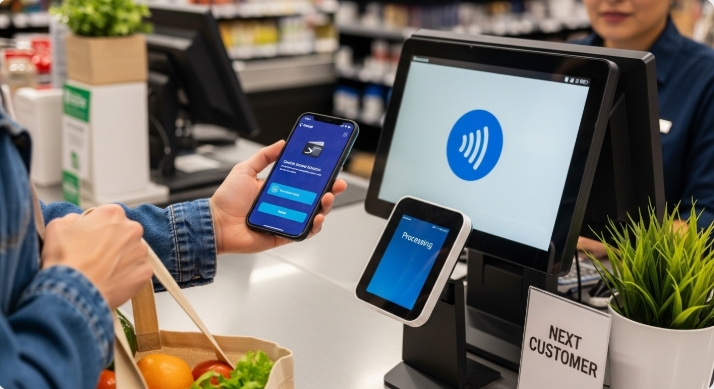
Digital payments in the United States has moved beyond convenience, it now shapes how people interact with money daily. From buying coffee to managing subscriptions or paying freelancers, most transactions happen without cash ever changing hands.
What makes the U.S. market particularly interesting is not just the number of payment options available, but how each one fits into a specific context. Some are designed for speed, others for flexibility, and a few are built to sit quietly in the background while handling recurring transactions.
Understanding the top digital payments isn’t just about naming platforms. It’s about knowing when and why people use each one.
- Top Digital Payments in the United States
- What Digital Payment Looks Like in Practice
- The Most Popular Digital Payment Methods in the United States
- 3. Debit and Credit Card Payments
- 6. Bank Transfers and ACH
- 7. Contactless Payments
- Comparison of Top Digital Payment Platforms
- Where Bycard Fits in Digital Payments
- How Businesses Approach Digital Payments
- Challenges Still Affecting Digital Payments
What Digital Payment Looks Like in Practice
Digital payment refers to any exchange of money that happens electronically, but in reality, it shows up in different forms depending on the situation.
A customer tapping their phone at checkout, a freelancer receiving money through an app, or a company scheduling vendor payouts, all of these are digital payments, but they rely on different systems working behind the scenes.
In the U.S., these systems are deeply embedded into banking infrastructure, which is why payments often feel instant and effortless, even when multiple layers are involved.
The Most Popular Digital Payment Methods in the United States
1. Mobile Wallets
Mobile wallets have become one of the most visible forms of digital payment, especially in physical retail environments. Platforms like Apple Pay, Google Pay, and Samsung Pay are now widely accepted across stores in the United States.
What makes mobile wallets appealing isn’t just the ability to tap and pay. It’s the way they reduce friction in everyday transactions. Instead of reaching for a card, entering a PIN, or worrying about card details being exposed, users rely on their phones, which are already secured with biometrics.
Behind the scenes, these wallets don’t actually share your card number with the merchant. They generate a token, a temporary substitute, which adds a layer of protection without slowing down the payment experience.
This combination of speed and security is why mobile wallets are often the preferred option for quick, in-person purchases.
2. Peer-to-Peer Payments
If mobile wallets dominate retail, peer-to-peer (P2P) apps dominate personal transactions. Services like Venmo, Cash App, and Zelle have changed how people send and receive money.
Instead of dealing with bank details, users send money using simple identifiers like phone numbers or usernames. This shift has made payments feel more like messaging, quick, informal, and immediate.
But these platforms are not identical in how they operate. Zelle, for example, is embedded directly into many banking apps, which means transfers often move straight between bank accounts. Venmo and Cash App, on the other hand, function as standalone ecosystems where users can hold balances, make payments, and even engage socially.
The real reason these apps have become so common is that they remove the awkwardness and delay from everyday money exchanges. Splitting a bill no longer requires cash or follow-ups, it happens instantly.
3. Debit and Credit Card Payments
Even with the rise of newer platforms, debit and credit cards remain central to digital payment in the U.S. In fact, many modern payment methods are simply extensions of card networks.
When you use a mobile wallet or pay online, there’s a good chance a card is still involved in the background. What has changed is how those cards are used.
Instead of swiping or inserting them, users now:
- Store them in mobile wallets
- Link them to payment apps
- Use them for automatic billing
This evolution means cards are no longer just physical tools, they’re part of a broader digital ecosystem.
Their continued dominance comes down to reliability and universal acceptance. Nearly every merchant supports card payments, which makes them a default option even as newer methods grow.
4. Online Payment Platforms
For online transactions, platforms like PayPal play a different role. They act as intermediaries, sitting between the customer and the business.
This setup changes how trust works in digital payments. Instead of sharing card details directly with every website, users rely on a platform that manages the transaction on their behalf.
That added layer is particularly useful in:
- E-commerce purchases
- Freelance and remote work payments
- Cross-border transactions
It’s not just about convenience, it’s about reducing risk in environments where the buyer and seller may not know each other.
5. Buy Now, Pay Later
Buy Now, Pay Later (BNPL) services have introduced a different kind of payment behavior. Instead of paying the full amount upfront, users can split payments over time using providers like Klarna, Afterpay, and Affirm.
This model has gained traction in online retail, where higher purchase amounts can discourage immediate payment. By breaking costs into smaller installments, BNPL makes purchases feel more manageable.
However, its impact goes beyond affordability. It also changes how people think about spending, shifting focus from total cost to short-term payment ability.
For businesses, offering BNPL can increase conversion rates. For consumers, it introduces flexibility, but also requires discipline to avoid overextension.
6. Bank Transfers and ACH
While many digital payment tools are visible to users, some of the most important systems operate in the background. Automated Clearing House (ACH) transfers are one example.
ACH is widely used for:
- Salary deposits
- Utility bills
- Subscription payments
- Business transactions
Unlike instant payment apps, ACH transfers are designed for efficiency and scale rather than speed. They process large volumes of transactions at a lower cost, which is why businesses rely on them heavily.
Most users don’t actively choose ACH, it’s simply the system powering many of the payments they set and forget.
7. Contactless Payments
Contactless payments have grown rapidly, but not because they introduced something entirely new. Instead, they improved an existing behavior, card payments, by making them faster.
Whether it’s tapping a card or using a phone, the experience is nearly identical: quick, simple, and increasingly expected at checkout.
What pushed adoption forward was a mix of convenience and external factors, particularly during the COVID-19 period when minimizing physical contact became important.
Now, contactless payment is less of a feature and more of a standard expectation in retail environments.
Comparison of Top Digital Payment Platforms
At a glance, most digital payment platforms seem similar, but they’re built for very different use cases. Some are designed for quick personal transfers, others for retail purchases, and a few focus on business transactions at scale. These differences show up in how fast payments are processed, what fees apply, and where each platform is available. Comparing them side by side makes it easier to see which one fits a specific need rather than assuming one option works for everything.
Key Differences
| Platform | Best For | Speed | Fees | Availability |
|---|---|---|---|---|
| Apple Pay | In-store payments | Instant | None | Global |
| Google Pay | Daily use | Instant | None | Global |
| PayPal | Online payments | Fast | Moderate | Global |
| Venmo | Social payments | Instant | Low | U.S. |
| Zelle | Bank transfers | Instant | None | U.S. |
| Cash App | Quick transfers | Instant | Low | U.S. |
| Stripe | Online business | Fast | Transaction-based | Global |
| Square | Retail | Fast | Transaction-based | U.S. |
Where Bycard Fits in Digital Payments
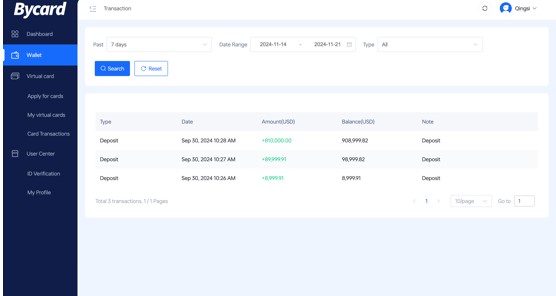
Most digital payment discussions focus on how money moves from a user to a merchant. But for businesses, the challenge is often internal, how money is controlled, distributed, and tracked before a payment even happens.
This is where Bycard fits into the digital payment ecosystem.
Instead of acting as just another payment method, Bycard operates at the infrastructure level for businesses. It allows companies to issue virtual cards for specific use cases, whether that’s ad spend, subscriptions, or vendor payments, while maintaining control over limits and usage.
What this changes is not the act of paying, but the structure behind it.
For example:
- A marketing team can have a dedicated card for campaigns
- A finance team can set spending limits per department
- Subscriptions can be isolated to avoid unexpected charges
This approach reduces the risks that come with shared payment methods, where a single card is used across multiple tools and teams. Instead of reacting to transactions after they happen, businesses can define how spending should happen upfront.
How Businesses Approach Digital Payments
For individuals, digital payment is about ease. For businesses, it’s about structure.
Companies don’t just accept payments, they design systems around them. This includes automating recurring transactions, managing multiple payment channels, and tracking financial activity in real time.
Tools like Bycard support this by turning payments into something that can be organized and segmented, rather than centralized and difficult to manage.
The real value comes from visibility. Every digital transaction creates a record, which businesses use to:
- Monitor cash flow
- Detect irregularities
- Improve financial planning
Instead of reacting to payments, businesses build processes that make payments predictable and traceable.
Challenges Still Affecting Digital Payments
Even with widespread adoption, digital payment systems in the U.S. still face some challenges:
Fraud and security risks
As transactions move online, fraud tactics evolve. This has led to increased investment in encryption, authentication, and monitoring systems.
Fees and processing costs
Merchants often pay fees for card processing or payment platform usage, which can affect pricing.
Fragmentation
With so many payment options available, users sometimes juggle multiple apps and systems instead of relying on a single platform.
For businesses, fragmentation often shows up internally, multiple tools, subscriptions, and payment points. Structuring payments through controlled systems like Bycard can reduce that complexity, even when external payment options remain varied.
Conclusion
Digital payment in the United States works because it offers choice. There isn’t one dominant method, there are several, each suited to different types of transactions.
Mobile wallets handle quick purchases, P2P apps simplify personal transfers, cards provide reliability, and systems like ACH quietly keep everything running in the background.
What’s becoming more important, especially for businesses, is not just how payments are made, but how they are managed before and after they happen. That’s where tools like Bycard are starting to play a more visible role.
Understanding both sides, the transaction itself and the structure behind it, makes digital payment easier to navigate in real-world use.

CATEGORIES
轻松完成账单支付的 Google Ads 支付方式指南现已上线
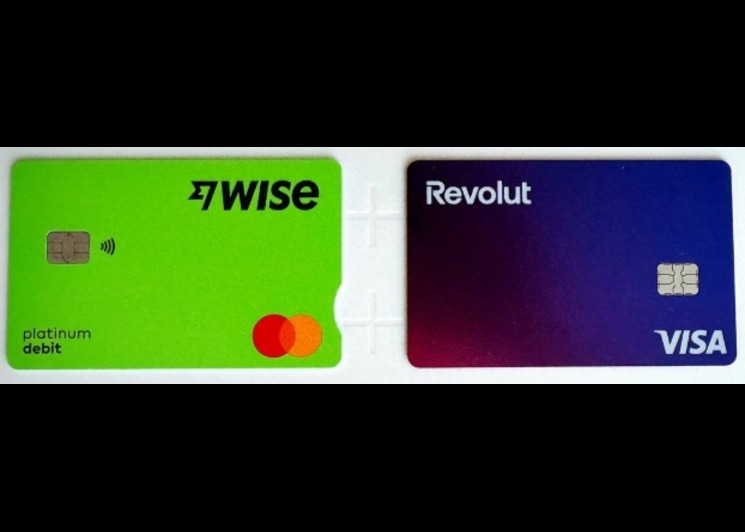
Wise vs Revolut? Comparing the Best Multi-Currency Card 2026
Wise Alternatives That Make Payment Faster and Currency Conversion Simple
Wire Transfer vs Bank Transfer – Swift Business Payments Now
Why Virtual Cards Matter in Digital Payments Now

Why Travel Rewards Credit Cards are Highly Important
