
 Log in
Bitcoin Miners Sell Over 32,000 BTC in Q1 2026
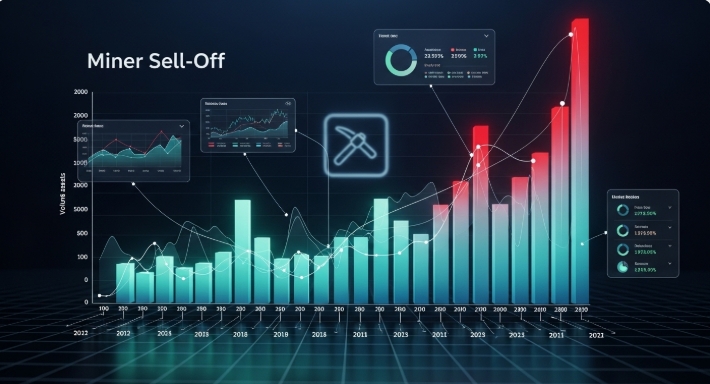
In the first quarter of 2026, something unusual happened in the Bitcoin market, public miners collectively sold over 32,000 BTC. That’s not just a big number; it’s a record-breaking liquidation, surpassing even the intense sell-offs seen in 2022. According to reports highlighted by Yahoo Finance, this wave of selling was driven by a mix of falling prices below $60,000, rising mining costs, and an unexpected shift toward AI infrastructure.
At first glance, it might seem like miners are simply reacting to price drops. But when you look closer, this move says a lot about where Bitcoin stands today, not just as an asset, but as part of a broader digital payment system that’s still evolving.
- Bitcoin Miners Sell Over 32,000 BTC in Q1 2026
- Why This Sell-Off Happened (And Why It Feels Different) – Bitcoin
- The Quiet Shift Toward AI Infrastructure – Bitcoin
- Market Impact: More Than Just Price Drops – Bitcoin
- Where Bitcoin Stands as a Digital Payment System
- A Practical Perspective: What This Means for Different Users
- What This Moment Says About Bitcoin’s Evolution
Why This Sell-Off Happened (And Why It Feels Different) – Bitcoin
Bitcoin miners don’t operate in isolation, they’re running capital-intensive businesses. So when conditions change, their behavior changes quickly.
The drop below $60,000 created immediate pressure. Mining rewards are fixed in BTC, but expenses are not. Electricity bills, hardware upgrades, and operational costs remain constant or increase over time. That mismatch forces miners to make quicker decisions about liquidity.
At the same time, mining itself has become more competitive. The network’s difficulty level continues to rise, meaning miners need more computational power just to earn the same rewards. This has quietly shifted mining from a “hold and wait” strategy to a more active cash-flow business.
To make sense of the sell-off, it helps to look at the pressures stacking up at once:
- Revenue compression: Lower Bitcoin prices reduce the real-world value of mining rewards
- Rising operational costs: Energy, cooling, and hardware investments keep increasing
- Higher network difficulty: More competition means reduced efficiency per miner
- Cash flow needs: Companies need liquidity to stay operational
Individually, these factors aren’t new. But together, they create a situation where holding large Bitcoin reserves becomes less practical than it used to be.
The Quiet Shift Toward AI Infrastructure – Bitcoin
What makes Q1 2026 stand out is not just the scale of selling, it’s what miners are doing alongside it.
Many mining companies are beginning to rethink how they use their infrastructure. Data centers that were originally built for Bitcoin mining can also support AI workloads. And right now, AI demand is growing fast.
Instead of relying entirely on Bitcoin, some firms are:
- Repurposing facilities for AI computing
- Investing in GPU-based systems
- Diversifying revenue streams beyond crypto
This shift changes incentives. If a company is no longer fully dependent on Bitcoin mining, it doesn’t need to hold as much BTC. Selling part of its reserves becomes a strategic decision, not just a survival move.
Market Impact: More Than Just Price Drops – Bitcoin
When miners release that much Bitcoin into the market, the effects go beyond simple price movement.
In the short term, increased supply naturally puts pressure on prices, especially if demand isn’t strong enough to absorb it. But the more subtle effect is how it changes market behavior.
For example, during periods like this:
- Traders become more cautious, expecting further sell pressure
- Price movements become sharper due to thinner liquidity
- Market sentiment shifts from optimism to uncertainty
Liquidity plays a big role here. In a highly liquid market, large transactions are absorbed smoothly. But when liquidity is lower, even a few large sell-offs can cause noticeable swings. That’s part of what we’re seeing now, supply entering a market that isn’t fully prepared to absorb it.
Where Bitcoin Stands as a Digital Payment System
This kind of market activity also raises an important question: how does all of this affect Bitcoin’s role in digital payments?
At its core, Bitcoin was designed to enable direct, borderless transactions. And it still does that effectively, especially in situations where traditional banking systems are slow or restrictive.
But large-scale sell-offs highlight a key challenge, volatility.
When Bitcoin’s price fluctuates significantly, it becomes harder to use as a stable medium of exchange. Businesses and users need predictability, especially for everyday transactions. If the value of a payment can change within hours, adoption naturally slows.
That said, Bitcoin isn’t being pushed out of payments, it’s being used differently.
Many businesses are now integrating Bitcoin in a more controlled way:
- Accepting BTC but converting it instantly to fiat
- Using it primarily for cross-border transactions
- Combining it with stable digital assets for balance
This approach keeps Bitcoin relevant in payments while reducing exposure to price swings.
A Practical Perspective: What This Means for Different Users

Looking at this from a real-world standpoint makes the situation clearer.
For investors, miner activity has become an important signal. Large sell-offs often indicate stress in the system, whether from cost pressures or strategic changes. It doesn’t always predict long-term declines, but it does suggest short-term instability.
For businesses, especially those dealing with digital payments, the focus is shifting toward risk management. Bitcoin is still useful, but it’s rarely held for long periods without some form of hedging or conversion.
For everyday users, Bitcoin remains valuable in specific scenarios, particularly for sending money across borders or operating outside traditional financial systems. But its role is becoming more situational rather than universal.
What This Moment Says About Bitcoin’s Evolution
The sale of over 32,000 BTC in a single quarter isn’t just a headline, it’s a reflection of how the ecosystem is changing.
Mining is becoming more expensive and competitive. Companies are expanding beyond crypto into areas like AI. And Bitcoin itself is finding a more defined role, balancing between being an investment asset and a functional payment layer.
This isn’t a breakdown of the system. If anything, it shows how it adapts under pressure.
Bitcoin is still central to digital finance, but the way it’s mined, traded, and used is evolving. And moments like this, where multiple forces collide, tend to shape what comes next.
Conclusion
The record sale of over 32,000 BTC in Q1 2026 is less about panic and more about adjustment. Miners are responding to tighter margins, higher operational demands, and new opportunities outside traditional mining. At the same time, the market is absorbing the effects, higher volatility, shifting liquidity, and changing sentiment.
What stands out is how this moment ties into Bitcoin’s broader role. It’s no longer just about holding or trading; it’s about how Bitcoin fits into real financial systems, especially digital payments. Businesses are adapting, users are becoming more selective, and infrastructure is evolving alongside it.
Rather than signaling a breakdown, this period highlights a transition. Bitcoin is still relevant, but the way people interact with it, whether as an asset, a payment method, or part of a larger financial strategy, is becoming more refined and practical.

CATEGORIES

轻松完成账单支付的 Google Ads 支付方式指南现已上线
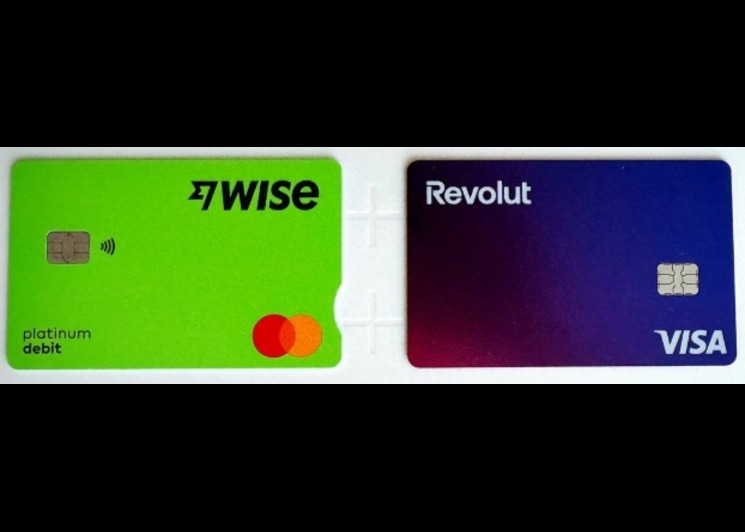
Wise vs Revolut? Comparing the Best Multi-Currency Card 2026

Wise Alternatives That Make Payment Faster and Currency Conversion Simple

Wire Transfer vs Bank Transfer – Swift Business Payments Now

Why Virtual Cards Matter in Digital Payments Now

Why Travel Rewards Credit Cards are Highly Important
