
 Log in
How Virtual Cards Can Support SMEs

Running an SME often means handling financial decisions in real time, sometimes without the structure larger companies rely on. Payments go out across different channels, vendor invoices, online tools, ad platforms, subscriptions, and over time, it becomes harder to maintain a clear, consistent view of where money is actually going. What starts as a few manageable transactions can quickly turn into a mix of shared cards, scattered records, and delayed visibility.
The challenge is not just making payments, but managing them in a way that keeps your business organized as it grows. When multiple people or teams are involved, even small gaps in control or tracking can lead to overspending, duplicate charges, or time lost trying to reconcile everything later.
This is where virtual cards begin to play a more practical role. Instead of treating payments as one continuous flow, they allow you to break spending into smaller, more defined parts, each tied to a purpose. With platforms like Bycard, this approach becomes easier to apply in everyday operations, giving SMEs a way to manage payments with more clarity, without adding unnecessary complexity.
- How Virtual Cards Can Support SMEs
- What Virtual Cards Actually Change for SMEs
- The Common Payment Problems SMEs Deal With
- How Bycard Virtual Cards Improve Expense Control
- Real-Time Tracking That Actually Helps
- Reducing Risk Without Slowing Down Operations
- Supporting Growth Without Adding Complexity
- Managing Subscriptions Without Losing Track
- Supporting Global and Digital-First Payments
- Practical Use Cases for SMEs Using Bycard
- What SMEs Should Keep in Mind
What Virtual Cards Actually Change for SMEs
A virtual card is often described as a digital version of a debit or credit card, but for SMEs, the real shift goes beyond format. What changes is how spending is structured and controlled.
In many small businesses, payments tend to flow through a single channel, usually one shared company card or account. At the beginning, this works. But as transactions increase and more people get involved, that setup starts to break down. It becomes harder to tell who is spending what, which expenses belong to which function, and whether spending is aligned with actual business priorities.
Virtual cards change this by allowing businesses to break payments into smaller, clearly defined units. Instead of one card handling everything, you can create multiple cards tied to specific purposes, such as marketing, subscriptions, or vendor payments. This makes spending easier to track because each transaction already carries context.
It also shifts how control works. Rather than reviewing expenses after they happen, businesses can set limits and conditions in advance. That means fewer surprises, fewer errors, and less time spent trying to fix issues later.
The Common Payment Problems SMEs Deal With
Before looking at solutions, it helps to understand the patterns that create friction in everyday operations. For many SMEs, payment management issues don’t come from one major problem, but from small inefficiencies that build up over time.
In practice, this often looks like a single card being shared across multiple teams, which makes it difficult to track who is responsible for each expense. Over time, visibility becomes limited, and subscription payments or recurring charges can accumulate without clear ownership. At the same time, delays happen when team members need access to funds but have to rely on one central point of control.
There’s also the added risk of reusing the same card details across multiple platforms, which increases exposure if those details are ever compromised. These are everyday challenges, and they’re exactly the kind of issues virtual cards are designed to address.
How Bycard Virtual Cards Improve Expense Control
Assign Cards by Function, Not Just People
One of the most practical ways to use virtual cards is to assign them based on function rather than individuals. This approach keeps spending organized from the start and reduces the need to sort through transactions later.
Set Limits That Prevent Overspending
Instead of reacting to overspending after it happens, virtual cards allow businesses to control spending at the point of use.
With Bycard, limits can be set per card based on its purpose, and usage can be restricted to specific merchants. Cards can also be locked or unlocked instantly when needed. This creates a system where spending is guided by predefined rules, rather than relying on manual oversight after transactions have already gone through.
Real-Time Tracking That Actually Helps
Every Transaction Is Traceable
Each Bycard virtual card carries its own context, which makes it easier to match transactions to specific projects, teams, or functions. Instead of reviewing a list of unclear charges, businesses can immediately understand what each transaction relates to.
This reduces the time spent on reconciliation and minimizes errors, especially as the number of transactions grows.
Built-In Expense and Reporting Tools
Bycard doesn’t just handle payments, it also supports how businesses manage financial data. Instead of relying on multiple tools, expense reporting, budget tracking, and reconciliation can be handled within the same system.
Reducing Risk Without Slowing Down Operations
Protect Your Main Account
Using a single card across multiple platforms increases the risk of exposure. Virtual cards reduce this by allowing businesses to isolate transactions, so each payment does not rely on the same set of card details.
With Bycard, unique card numbers can be generated for different uses, and any card can be cancelled instantly if needed. This means that even if one card is compromised, the rest of the system continues to function without disruption.
Built-In Security Standards
Security is built into the way virtual cards operate. Bycard incorporates standards such as PCI DSS compliance, fraud protection systems, and secure encryption.
These measures make it more suitable for SMEs handling frequent online payments or working with international vendors, where payment security is a constant concern.
Supporting Growth Without Adding Complexity
Instant Card Creation for Fast-Moving Teams
Speed becomes increasingly important as teams grow and operations expand. Waiting for access to funds or payment tools can slow down important activities.
Bycard allows cards to be created within minutes, giving teams immediate access when needed. This is especially useful for marketing teams launching campaigns or operations teams handling urgent transactions.
Unlimited Cards for Scaling Businesses
As businesses scale, financial needs become more complex. Instead of restructuring payment systems repeatedly, virtual cards allow that complexity to be managed within a single framework.
Bycard supports the creation of multiple cards across departments, projects, or clients, along with access to various card options. This makes it easier to expand operations without losing control over how spending is organized.

Perfect Card for running ads!
Managing Subscriptions Without Losing Track
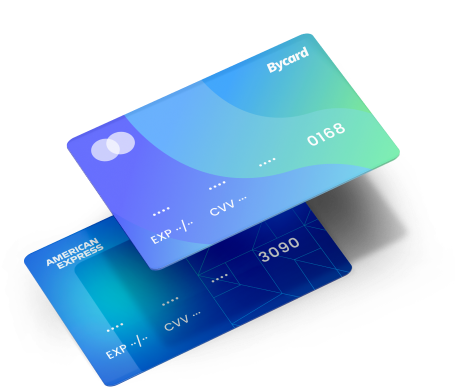
Subscriptions often become difficult to manage as businesses adopt more tools over time. Without a clear system, it’s easy for recurring payments to go unnoticed.
Virtual cards simplify this by allowing each subscription to be tied to its own card. With Bycard, businesses can stop payments immediately by disabling a card when a tool is no longer needed, helping prevent unnecessary charges from continuing
Supporting Global and Digital-First Payments
Multi-Currency and Global Acceptance
As SMEs grow, they often work with international vendors and platforms, which introduces new payment challenges.
Bycard supports transactions across multiple currencies and works with widely accepted payment networks. This makes it easier to handle cross-border payments without relying on complex workarounds.
Crypto Payment Flexibility
For businesses operating in digital or restricted payment environments, flexibility becomes important.
Bycard allows cards to be funded using crypto such as USDT, offering an alternative way to manage payments without disrupting existing workflows. This can be particularly useful for teams working in Web3 or across regions with payment limitations.
Practical Use Cases for SMEs Using Bycard

Marketing Teams
Marketing teams can assign cards to individual campaigns, making it easier to track performance against spend and maintain control across multiple platforms.
Finance Teams
Finance teams benefit from real-time visibility into transactions, which helps with reporting, monitoring, and simplifying reconciliation processes.
Operations
Operations teams can handle vendor payments and logistics without exposing primary account details, reducing risk while maintaining efficiency.
Founders
Founders gain visibility into how money is being used across the business, without needing to manage every transaction directly.
What SMEs Should Keep in Mind
Adopting Bycard virtual cards is a strong step, but the real value comes from how you structure and manage them over time.
To keep things efficient as your SME grows:
- Assign cards based on function, not convenience
Create cards for specific use cases like ads, subscriptions, or vendor payments. This keeps spending organized and easier to track without confusion later. - Set limits that reflect real usage
Avoid setting limits too low or too high. Review spending patterns and adjust limits so teams can operate smoothly without losing control. - Review transactions regularly
Bycard gives real-time visibility, but it only helps if you actually check it. Regular reviews help you spot unnecessary expenses early and stay proactive. - Keep your structure simple and consistent
As you create more cards, maintain a clear system. Too many loosely defined cards can make tracking just as messy as before. - Align card usage with business priorities
Make sure each card supports a clear goal, whether it’s growth, operations, or cost control, so spending stays intentional.
When these practices are in place, virtual cards stop being just a payment tool and start becoming part of how your business stays organized as it scales.
Conclusion
Virtual cards may seem like a small operational change, but for SMEs, they often reshape how financial activities are handled day to day. Instead of reacting to expenses after they happen, tools like Bycard make it easier to structure spending from the start, giving each transaction a clear purpose.
Over time, this creates a more organized system where teams can access what they need without constant back-and-forth, while business owners maintain visibility without digging through scattered records. It reduces friction, but more importantly, it brings consistency to how money is managed.
As businesses grow and transactions increase, that consistency becomes essential. Virtual cards, when used intentionally through a platform like Bycard, help SMEs stay in control without slowing down operations.

CATEGORIES

轻松完成账单支付的 Google Ads 支付方式指南现已上线
Wise vs Revolut? Comparing the Best Multi-Currency Card 2026
Wise Alternatives That Make Payment Faster and Currency Conversion Simple

Wire Transfer vs Bank Transfer – Swift Business Payments Now

Why Virtual Cards Matter in Digital Payments Now

Why Travel Rewards Credit Cards are Highly Important
