
 Log in
Key Stablecoin Trends Shaping Business in 2026

Stablecoin is no longer just part of crypto discussions; it is becoming part of how businesses actually move money in 2026.
This shift is being driven by real operational problems. Cross-border payments are still slow, fees add up quickly, and managing funds across currencies can be unpredictable. For businesses working globally or digitally, these issues directly affect cash flow and day-to-day operations.
Stablecoins offer a different approach: stable value, faster settlement, and fewer intermediaries. That’s why more businesses are starting to use them not just for holding funds, but for payments, payroll, and treasury management.
In this article, we’ll break down the key stablecoin trends shaping business in 2026 and what they look like in practical terms, including how tools like Bycard fit into everyday operations.
- Key Stablecoin Trends Shaping Business in 2026
- What Makes Stablecoins Different From Other Crypto?
- 1. Stablecoins Are Becoming a Default for Cross-Border Payments
- 2. Businesses Are Using Stablecoins for Treasury Management
- 3. Stablecoins Are Powering Global Payroll
- 4. Regulation Is Becoming Clearer
- 5. Stablecoins Are Becoming Embedded in Everyday Business Tools
- 6. Risk Management Is Becoming a Bigger Focus
- 7. Stablecoins Are Redefining Payment Speed Expectations
What Makes Stablecoins Different From Other Crypto?
Before getting into the trends, it helps to ground this in reality.
A stablecoin is a type of cryptocurrency designed to maintain a stable value, usually pegged to a fiat currency like the US dollar. This stability is what separates it from other cryptocurrencies that are known for price volatility.
Because of this, businesses don’t approach stablecoins as speculative assets. Instead, they use them more like digital cash, something that can be held, moved, and spent without worrying about sudden value changes. That distinction is a big reason why adoption is accelerating across different industries.
1. Stablecoins Are Becoming a Default for Cross-Border Payments
Cross-border payments have always been slow and expensive. Traditional banking systems still rely on intermediaries, currency conversions, and settlement delays.
Stablecoins are changing that.
What’s happening:
- Businesses are bypassing traditional rails
- Payments are settling in minutes instead of days
- Costs are significantly lower
What this means in practice:
A business in America can now pay a contractor in Europe or Asia using stablecoins without dealing with multiple banks or hidden fees.
Instead of:
- Waiting 2–5 days
- Paying multiple transaction charges
You get:
- Near-instant settlement
- Predictable costs
Bycard helps bridge this gap by allowing businesses to spend stablecoin balances through virtual cards. That means you don’t just hold stablecoins, you actually use them for real-world payments like subscriptions, ads, and vendor expenses.
2. Businesses Are Using Stablecoins for Treasury Management
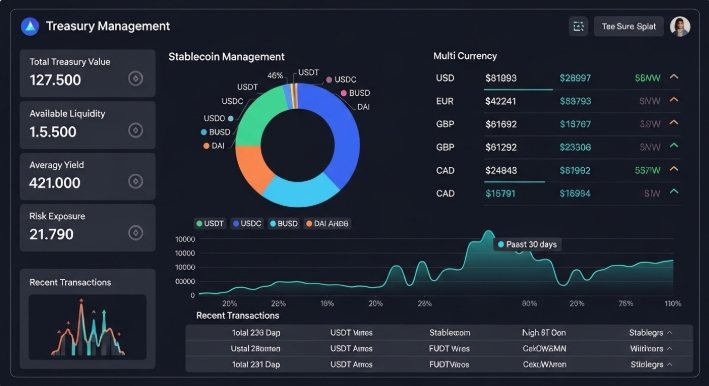
One of the less obvious trends is how companies are managing their cash.
Holding large amounts in local currency can be risky in volatile economies. On the other hand, holding traditional crypto introduces price risk.
Stablecoins sit right in the middle.
What’s happening:
- Businesses are storing operational funds in stablecoins
- Treasury teams are diversifying away from single-currency exposure
- Liquidity is becoming more flexible
Practical example:
Instead of keeping all funds in naira, a company may:
- Hold part in USD-backed stablecoins
- Use them to pay international vendors
- Convert only when necessary
This reduces exposure to currency fluctuations while keeping funds accessible. With Bycard, stablecoin balances don’t just sit idle. They can be directly connected to spending tools like virtual cards, making treasury management more actionable instead of static.
3. Stablecoins Are Powering Global Payroll
Remote work didn’t slow down in 2026. If anything, it expanded.
And with that comes a challenge: paying people across different countries efficiently.
What’s happening:
- Companies are paying freelancers and remote employees in stablecoins
- Payroll cycles are becoming faster
- Payment friction is reducing
Why businesses are choosing this:
Traditional payroll across borders often involves:
- Delays
- Conversion losses
- Banking restrictions
Stablecoins remove most of that friction.
Practical impact:
- Freelancers receive funds faster
- Businesses reduce operational overhead
- Payments become more predictable
Once payments are made in stablecoins, Bycard allows recipients (or businesses) to immediately use those funds through virtual cards, closing the gap between receiving and spending.
4. Regulation Is Becoming Clearer

Stablecoins operate globally, but regulations don’t.
What’s happening:
- More countries are introducing stablecoin frameworks
- Compliance requirements are increasing
- Businesses are paying more attention to legal structures
The reality:
There’s no single global rulebook. What works in one country may not apply in another.
That means businesses need to:
- Stay informed
- Use compliant platforms
- Build flexible payment systems
Stablecoin adoption isn’t just about speed; it’s about using the right infrastructure that aligns with evolving regulations. Bycard provides a structured way to use stablecoins within a controlled environment, helping businesses separate storage, spending, and compliance workflows.
5. Stablecoins Are Becoming Embedded in Everyday Business Tools
Stablecoins are no longer standalone assets. They’re being integrated into platforms businesses already use.
What’s happening:
- Payment platforms are adding stablecoin support
- Financial tools are becoming crypto-compatible
- Spending is becoming more seamless
What this means:
Businesses don’t want to switch between multiple tools just to manage funds.
They want:
- One place to hold funds
- One place to spend
- One system to track everything
Bycard is part of this shift. Instead of treating stablecoins as separate from operations, it integrates them into everyday spending through virtual cards, making them usable without extra steps.
6. Risk Management Is Becoming a Bigger Focus
As adoption grows, so do risks. Not price volatility, but:
- Fraud
- Mismanagement
- Poor fund tracking
What’s happening:
- Businesses are separating funds across multiple wallets/cards
- Spending limits are being enforced
- Transaction visibility is improving
Instead of one central wallet controlling everything, businesses are moving toward structured financial systems.
Example:
- One card for ads
- One for subscriptions
- One for vendor payments
Bycard supports this structure by allowing businesses to issue multiple virtual cards tied to stablecoin balances, each with specific limits and use cases.
7. Stablecoins Are Redefining Payment Speed Expectations
This is subtle but important. Once businesses experience near-instant payments, expectations change.
What’s happening:
- Waiting days for payments is becoming less acceptable
- Real-time transactions are becoming the baseline
- Businesses are redesigning workflows around speed
Practical impact:
- Faster supplier relationships
- Quicker service delivery
- Improved cash flow cycles
Bycard complements this shift by ensuring that once funds arrive as stablecoins, they can be spent immediately without needing to convert or move across multiple platforms.
Conclusion
Stablecoins are not just another crypto trend. They’re becoming part of how businesses operate behind the scenes. From payments and payroll to treasury and spending, the shift is less about hype and more about practicality.
What matters now isn’t just holding stablecoins, it’s how you use them. And that’s where structured tools like Bycard come in. They turn stablecoins from passive balances into something businesses can actually work with, whether it’s paying for services, managing expenses, or keeping operations organized.
As 2026 unfolds, the businesses that benefit the most won’t necessarily be the ones holding the most stablecoins, but the ones using them in ways that are efficient, controlled, and aligned with how modern payments actually work.

CATEGORIES

轻松完成账单支付的 Google Ads 支付方式指南现已上线
Wise vs Revolut? Comparing the Best Multi-Currency Card 2026
Wise Alternatives That Make Payment Faster and Currency Conversion Simple

Wire Transfer vs Bank Transfer – Swift Business Payments Now

Why Virtual Cards Matter in Digital Payments Now

Why Travel Rewards Credit Cards are Highly Important
