
 Log in
Global Crypto Compliance: Navigating International Law for Market Expansion

Crypto is global by design. A wallet created in Atlanta can interact seamlessly with a platform in Singapore, process payments through Europe, and settle transactions on a network that exists everywhere and nowhere at the same time. This borderless functionality is what makes crypto so transformative, it allows value to move quickly across continents, bypassing traditional banking systems, intermediaries, and geographic limitations. Businesses can reach users in multiple countries with minimal friction, and individuals can transact internationally almost instantly.
However, the regulatory landscape doesn’t operate on the same global scale. Laws are created and enforced locally, often reflecting each country’s unique approach to finance, consumer protection, and risk management. They are fragmented, complex, and constantly evolving, which creates significant challenges for crypto companies attempting cross-border operations. Expanding a crypto product, exchange, or service internationally requires not just understanding these rules, but actively designing operations that comply with multiple, sometimes conflicting, jurisdictions simultaneously. Ignoring these differences can lead to legal penalties, blocked services, or reputational damage, making careful planning essential for sustainable global growth.
Why Global Crypto Compliance Is So Complex
At first glance, crypto feels borderless. In reality, every country treats it differently.
Some governments see crypto as an innovation opportunity. Others treat it as a financial risk. And a few are still figuring out what it even is, currency, asset, or something entirely new.
This creates three core challenges:
- Regulatory inconsistency: Rules vary widely across countries
- Licensing requirements: You may need approval in every region you operate
- Enforcement uncertainty: Laws can change quickly or be loosely applied
For businesses, this means expansion isn’t just about entering a new market, it’s about rebuilding compliance from the ground up for each one.
Understanding the Key Regulatory Areas
Before expanding into any market, you need to understand the main areas regulators focus on. These are fairly consistent globally, even if implementation differs.
Anti-Money Laundering (AML) and KYC
Most countries require crypto platforms to verify user identities and monitor transactions.
This includes:
- Collecting user identification (KYC)
- Monitoring suspicious activity
- Reporting large or unusual transactions
The challenge? Requirements differ. What’s acceptable in one country might not meet standards in another.
Licensing and Registration
Many jurisdictions require crypto businesses to register or obtain licenses before operating.
Types of licenses you might encounter
- Virtual asset service provider (VASP) licenses
- Payment service provider licenses
- Exchange or brokerage licenses
Some regions make this straightforward. Others have long approval timelines or unclear requirements, which can delay expansion.
Tax Compliance
Tax rules for crypto are still evolving, but most countries expect reporting.
Common tax expectations
- Capital gains reporting
- Transaction tracking
- User reporting obligations
For platforms, this often means building systems that help users track and report their activity correctly.
Data Protection and Privacy
If you’re collecting user data, you also need to comply with privacy laws.
For example:
- Data storage requirements
- Cross-border data transfer restrictions
- User consent and protection policies
This becomes especially tricky when your users are spread across multiple regions with different data laws.
Practical Steps for Expanding Across Borders
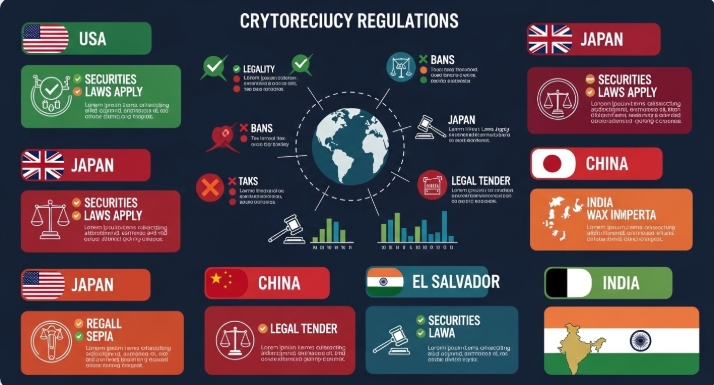
Compliance isn’t just about understanding laws, it’s about building systems that adapt to them.
Start With Market Prioritization
Not every market is worth entering immediately.
Focus on:
- Regulatory clarity
- User demand
- Ease of licensing
Expanding into fewer, well-understood markets is usually more effective than trying to go global too quickly.
Build Compliance Into Your Product
Instead of treating compliance as an add-on, integrate it into your platform from the start.
What this looks like
- Automated KYC flows
- Built-in transaction monitoring
- Region-specific user restrictions
This reduces friction as you scale.
Work With Local Experts
Regulations are nuanced, and local interpretation matters.
- Legal advisors help navigate licensing
- Compliance consultants identify risks
- Local partners provide market insight
Trying to figure everything out internally can slow you down and increase risk.
Create Flexible Infrastructure
Your platform should adapt to different regulatory environments.
Key considerations
- Modular compliance systems
- Region-based feature controls
- Scalable reporting tools
For example, you might allow certain services in one country while restricting them in another, all within the same platform.
Monitor Regulatory Changes Continuously
Crypto regulation evolves quickly. What works today might not work next year.
Set up systems to:
- Track legal updates
- Adjust policies in real time
- Communicate changes to users
This isn’t a one-time effort, it’s ongoing.
Common Mistakes to Avoid

Even experienced teams run into issues when expanding globally, and most of these problems aren’t due to lack of effort, they come from underestimating how different each market really is. Compliance isn’t something you solve once and move on from. It’s continuous, detailed, and often resource-intensive. Avoiding these common mistakes can save time, money, and in some cases, your ability to operate in a region at all.
Expanding Too Fast
Trying to enter multiple markets at once often leads to compliance gaps, especially when each country has its own licensing timelines, documentation requirements, and regulatory expectations. Teams spread themselves too thin, rushing approvals or launching before fully understanding local laws. This can result in fines, forced shutdowns, or reputational damage. A more practical approach is phased expansion, focus on one or two markets, get compliance right, and then scale from a stable foundation rather than juggling multiple incomplete setups.
Ignoring Local Nuances
Assuming one country’s rules apply to another can create serious legal risks, even if the markets seem similar on the surface. For example, two regions may both require KYC, but the level of verification, data storage rules, and reporting standards can differ significantly. Cultural expectations and enforcement intensity also play a role. What regulators tolerate in one country might trigger penalties in another. Taking time to understand these nuances, and adapting your operations accordingly, can prevent costly missteps.
Treating Compliance as a Cost Center
Compliance isn’t just an expense, it’s part of building trust with users and regulators. When treated purely as a cost, it often gets minimized, delayed, or handled reactively. That approach usually backfires. Strong compliance systems can actually support growth by making it easier to enter new markets, partner with financial institutions, and retain users who care about security. In practice, companies that invest early in compliance tend to scale more smoothly than those constantly fixing issues after the fact.
Poor Documentation
Regulators expect clear records.
- Transaction logs
- User verification data
- Internal compliance processes
Without proper documentation, even compliant platforms can run into trouble.
Where Crypto Is Headed From a Regulatory Perspective
Global crypto regulation is slowly becoming more coordinated, but it’s not there yet.
We’re seeing:
- Increased collaboration between regulators
- More defined frameworks for exchanges and platforms
- Stronger focus on consumer protection
For businesses, this means compliance will become more standardized, but also more enforced.
Conclusion
Expanding a crypto business globally isn’t just about growth, it’s about navigating a complex legal landscape that changes from one region to another.
The teams that succeed are not necessarily the fastest, but the ones that build compliance into their foundation. They understand the rules, adapt quickly, and treat regulation as part of the product, not a barrier to it.
If you approach it that way, global expansion becomes less about avoiding risk and more about building something that can actually scale across borders

CATEGORIES

轻松完成账单支付的 Google Ads 支付方式指南现已上线

Wise vs Revolut? Comparing the Best Multi-Currency Card 2026

Wise Alternatives That Make Payment Faster and Currency Conversion Simple

Wire Transfer vs Bank Transfer – Swift Business Payments Now

Why Virtual Cards Matter in Digital Payments Now

Why Travel Rewards Credit Cards are Highly Important
