
 Log in
Direct vs Programmatic Advertising: What Works Best for Your Campaign Goals
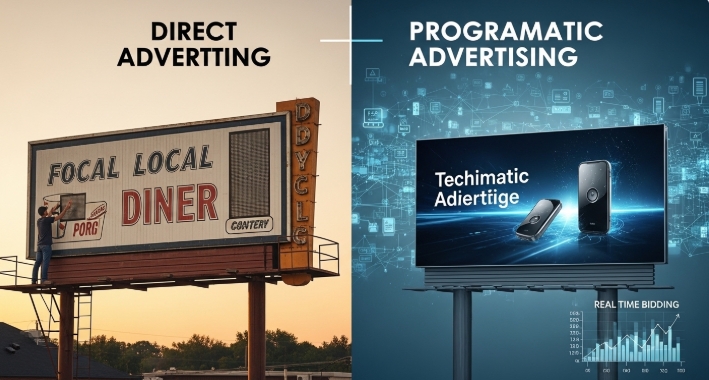
Advertising today isn’t just about getting your brand in front of people; it’s about how you spend, track, and control that spend.
That’s where things get interesting. While most conversations focus on direct vs programmatic advertising, there’s another layer many teams overlook: how payments and budgets are managed behind the scenes. If you’re running multiple campaigns across platforms, tools like Bycard can quietly become part of your workflow, helping you separate campaign budgets, control spend, and avoid mixing operational costs with advertising expenses.
- Direct vs Programmatic Advertising: What Works Best for Your Campaign Goals
- What Is Direct Advertising?
- What Is Programmatic Advertising?
- Direct vs Programmatic Advertising: Key Differences
- When to Use Direct Advertising
- When to Use Programmatic Advertising
- Combining Direct and Programmatic Advertising
- Data-Driven Insights: What the Numbers Suggest
- Common Mistakes to Avoid
- How to Choose What Works for You
What Is Direct Advertising?
Direct advertising is exactly what it sounds like, you negotiate and purchase ad space directly from a publisher.
How It Works
You (or your team) reach out to a website, media platform, or publisher and agree on:
- Pricing (CPM, flat fee, etc.)
- Placement (homepage banner, sidebar, sponsored post)
- Duration of the campaign
Everything is handled manually, which gives you more control, but also requires more coordination, especially when managing payments across multiple publishers.
Where Budget Control Matters
Direct deals often involve:
- Upfront payments
- Fixed contracts
- Multiple vendors at once
This is where teams start to feel friction. Instead of running all payments through one general account, many advertisers now use structured tools like Bycard to:
- Assign specific budgets to each campaign
- Track spending per publisher
- Reduce the risk of overspending
What Is Programmatic Advertising?
Programmatic advertising uses software and algorithms to buy ad space automatically, often in real time.
How It Works
- You set your campaign goals (traffic, conversions, awareness)
- Define your audience (location, interests, behavior)
- The system automatically bids on ad space across multiple websites
This all happens in milliseconds through real-time bidding (RTB).
Why Budget Structure Is Even More Important Here
Programmatic advertising moves fast, and so does your spend.
Without clear controls, it’s easy to:
- Burn through budgets quickly
- Lose visibility into where money is going
- Overspend on underperforming placements
Using tools like Bycard alongside programmatic platforms can help you:
- Set clear spending limits for each campaign
- Separate testing budgets from main campaigns
- Maintain visibility across multiple ad platforms
Direct vs Programmatic Advertising: Key Differences
Let’s break it down in a way that actually helps decision-making.
Control vs Automation
- Direct advertising gives you full control over placements
- Programmatic advertising automates decisions using data
If you care about where your ad shows, direct wins.
If you care about who sees your ad, programmatic has the edge.
Pricing Structure
- Direct: Fixed rates or negotiated deals
- Programmatic: Auction-based (prices fluctuate)
Because of this, programmatic often requires tighter financial oversight, especially when running multiple campaigns at once.
Targeting Capabilities
- Direct: Broad audience based on publisher demographics
- Programmatic: Highly specific targeting (age, behavior, interests)
Speed and Scale
- Direct: Slower to set up, limited reach
- Programmatic: Fast and scalable across multiple channels
When to Use Direct Advertising
Direct advertising works well in situations like:
Brand Awareness Campaigns
If your goal is visibility in a trusted environment (such as a well-known blog or media site), direct deals offer premium exposure.
Niche Audience Targeting
Some audiences are tightly connected to specific platforms. Advertising directly on those platforms can outperform broader targeting.
Managing Fixed Campaign Budgets
Since direct advertising often runs on fixed pricing, it’s easier to plan, but still important to track.
Using a structured payment approach (like assigning dedicated spend via Bycard) helps keep:
- Campaign budgets separate
- Reporting cleaner
- Financial tracking is more accurate
When to Use Programmatic Advertising
Programmatic shines when performance and efficiency matter.
Performance-Driven Campaigns
If your focus is:
- Conversions
- Click-through rates
- Lead generation
Programmatic tools help you optimize in real time.
Retargeting Campaigns
You can:
- Track user behavior
- Re-engage visitors who didn’t convert
Scaling Campaigns Quickly
Programmatic allows you to reach large audiences fast, but scaling also means scaling spend.
That’s why many teams combine programmatic tools with structured spend controls (like Bycard) to:
- Cap daily or campaign-level spend
- Test new audiences without risking the main budget
Combining Direct and Programmatic Advertising
In practice, most effective campaigns use both.
A Practical Approach
You can:
- Use direct advertising for premium placements and credibility
- Use programmatic advertising for scale and targeting
Then support both with a structured financial layer.
For example:
- Run a direct campaign on a high-traffic site
- Use programmatic ads for retargeting
- Assign separate budgets to each using Bycard to avoid overlap and confusion
Data-Driven Insights: What the Numbers Suggest
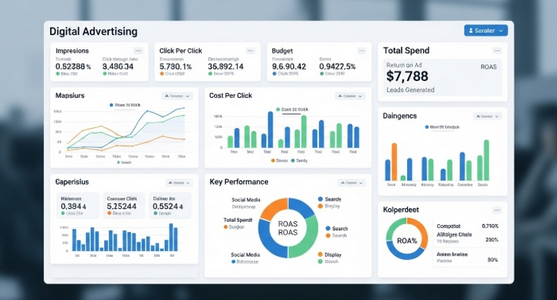
- Programmatic advertising accounts for over 80% of digital display ad spending globally
- Retargeting campaigns can deliver 2–3x higher conversion rates
- Direct placements often lead to higher brand recall, especially on trusted platforms
What this tells you:
- Programmatic drives measurable performance
- Direct strengthens brand presence
- Budget structure plays a key role in both
Common Mistakes to Avoid
Relying Only on One Method
Balancing both approaches often delivers better results.
Ignoring Spend Visibility
This is one of the biggest issues in advertising today.
Without proper tracking:
- Costs become unclear
- Campaign performance is harder to evaluate
Using tools like Bycard helps maintain clarity across campaigns and platforms.
Overpaying for Direct Placements
Always evaluate:
- Audience relevance
- Traffic quality
- Actual ROI
How to Choose What Works for You
Before deciding, ask yourself:
What’s Your Goal?
- Awareness → Direct advertising
- Conversions → Programmatic advertising
What’s Your Budget Structure?
- If you need flexibility → Programmatic
- If you need predictability → Direct
Either way, organizing your spend (for example, separating campaigns using Bycard) makes performance easier to measure.
How Much Control Do You Need?
- High control → Direct advertising
If you want full say over where your ads appear, how they look, and the exact platforms they’re placed on, direct advertising gives you that level of control. It’s especially useful when brand positioning and placement quality matter. - Data-driven automation → Programmatic advertising
If your priority is efficiency and performance, programmatic advertising uses data and algorithms to handle placements for you. It continuously optimizes based on user behavior, making it ideal for scaling campaigns and improving results over time

Perfect Card for running ads!
Conclusion
Direct vs programmatic advertising isn’t really about choosing one over the other, it’s about understanding when each approach makes the most sense.
Direct advertising gives you stronger control over placements and helps position your brand in trusted environments, while programmatic advertising allows you to scale quickly, reach the right audience, and optimize performance in real time.
But beyond choosing a strategy, how you manage your advertising spend plays just as important a role as where your ads appear. This is where tools like Bycard come in naturally, helping you keep campaign budgets separate, maintain clear visibility into your spending, and reduce the chances of overspending without noticing.
When your advertising strategy is supported by structured budget management, it becomes much easier to scale campaigns confidently and improve results over time.

CATEGORIES
轻松完成账单支付的 Google Ads 支付方式指南现已上线
Wise vs Revolut? Comparing the Best Multi-Currency Card 2026
Wise Alternatives That Make Payment Faster and Currency Conversion Simple

Wire Transfer vs Bank Transfer – Swift Business Payments Now

Why Virtual Cards Matter in Digital Payments Now

Why Travel Rewards Credit Cards are Highly Important
