
 Log in
How Bycard Virtual Cards and Automation Reduce Payment Fraud Risks

Payment fraud is no longer limited to stolen physical cards or hacked bank accounts. For most businesses today, especially those running ads, managing vendors, or handling cross-border payments, the real risk comes from how easily payment details can be reused, exposed, or mismanaged across systems.
This is where Bycard virtual cards come in. Not as just another fintech tool, but as a structured way to control spending, isolate risk, and automate payment security across teams and platforms.
- What Bycard Virtual Cards Actually Do
- Why Traditional Payment Systems Increase Fraud Risk
- How Bycard Virtual Cards Reduce Fraud Risk
- Where Automation Fits Into Bycard’s Fraud Protection
- 1. Automated Budget Allocation
- 2. Real-Time Spend Tracking and Reporting
- 3. Automated Reconciliation
- 4. Workflow-Based Card Management
- Key Security Features Built Into Bycard
- A Practical Example of Fraud Prevention in Action
- Where Businesses Still Get It Wrong
What Bycard Virtual Cards Actually Do
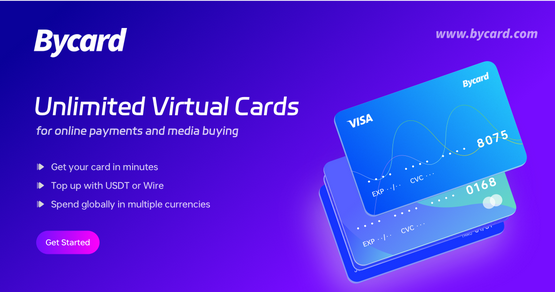
At its core, Bycard provides instant virtual Visa or Mastercard cards that can be created and used for online payments globally.But the real value is not just issuing a card, it’s how flexible and controlled each card can be. The combination, instant issuance + spending control + segmentation, is what directly reduces fraud exposure.
From the official Bycard platform, users can:
- Create multiple virtual cards instantly
- Fund cards through bank transfer or crypto (USDT supported)
- Set spending limits per card
- Use cards for ads, subscriptions, vendors, and online purchases
- Manage everything from a central dashboard
- Monitor and manage spends and expenses
Why Traditional Payment Systems Increase Fraud Risk
Before virtual cards, most businesses relied on shared payment tools like, In simple terms: too many payments, too few boundaries.
- One corporate debit or credit card for multiple teams
- Manual bank transfers for vendors
- Subscription payments tied to a single card
- Ad spend paid from one unrestricted source
This structure creates predictable vulnerabilities:
- One compromised card exposes the entire business
- No clear visibility into which team made which payment
- Difficulty stopping unauthorized recurring charges
- Slow response time when fraud occurs
How Bycard Virtual Cards Reduce Fraud Risk
1. Card Isolation for Every Use Case
One of the strongest fraud protection features in Bycard is the ability to create separate virtual cards for different purposes. If one card is compromised or misused, the damage is contained.It doesn’t spread across your entire financial system. This “compartmentalization” is one of the simplest but most effective fraud prevention strategies.
For example:
- One card for Google Ads
- One card for Facebook Ads
- One card for TikTok campaigns
- One card for SaaS subscriptions
- One card per vendor
2. Spending Limits That Block Unauthorized Charges
Each Bycard virtual card can be loaded with a specific amount.This creates a natural barrier between fraud attempts and actual financial loss.Even if card details leak, there’s nothing extra to steal.
That means:
- A vendor can only charge what is available on the card
- Recurring billing cannot exceed set limits
- Overspending is automatically blocked
3. Instant Card Creation and Deactivation
Fraud response time matters for every card user. With traditional banking cards:
- You call support
- You file a complaint
- You wait for replacement
With Bycard:
- Cards are created instantly
- Cards can be paused or disabled immediately
- New cards can be issued in minutes
This speed changes the outcome of fraud situations. Instead of reacting after damage, you can stop exposure in real time.
4. Merchant-Specific Use for Ad Platforms
Bycard is heavily used in media buying environments, where fraud risk is often tied to:
- Unauthorized ad spend
- Duplicate billing from platforms
- Account-level payment errors
- Shared payment credentials across campaigns
Bycard allows dedicated virtual cards for platforms like:
- Google Ads
- Facebook Ads
- TikTok Ads
- LinkedIn Ads
- Snapchat Ads
This means:
- Each ad platform has its own financial boundary
- Campaigns can be tracked separately
- Fraud or overspending is isolated to one channel
If one platform experiences billing issues, it doesn’t affect others.
Where Automation Fits Into Bycard’s Fraud Protection
Virtual cards alone help control risk. Automation is what reduces human error.Bycard integrates automation in several practical ways.
1. Automated Budget Allocation
Instead of manually issuing payments, businesses can:
- Assign budgets to cards automatically
- Load funds based on campaign requirements
- Prevent manual overfunding or underfunding
This reduces the risk of:
- Overspending due to human error
- Forgetting to adjust limits
- Misallocating funds across departments
2. Real-Time Spend Tracking and Reporting
Bycard provides tools for:
- Expense tracking
- Transaction logs
- Reconciliation reports
This matters because fraud is often not detected immediately. Automation ensures:
- Every transaction is logged instantly
- Irregular patterns can be spotted early
- Finance teams don’t rely on delayed manual reports
3. Automated Reconciliation
One of the most overlooked fraud risks is mismatched records.Bycard’s reporting tools help automate:
- Invoice matching
- Expense categorization
- Transaction validation
When everything is matched automatically, fraudulent or duplicate charges stand out immediately.
4. Workflow-Based Card Management
Prevent “forgotten active cards,” which are a common source of silent fraud and uncontrolled spending. Cards can be tied to business workflows such as:
- Campaign start → card created
- Campaign running → card funded
- Campaign ended → card deactivated
Key Security Features Built Into Bycard
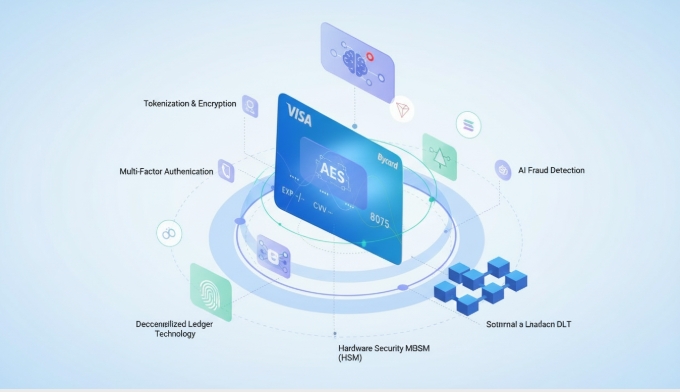
Beyond automation and structure, Bycard also highlights core security layers:
- Unique card numbers per use case
- PCI-compliant payment protection
- Fraud monitoring and transaction controls
- Secure global acceptance via Visa/Mastercard networks
- Multi-currency support for international transactions
Together, these reduce exposure both externally (hackers, breaches) and internally (misuse, errors).

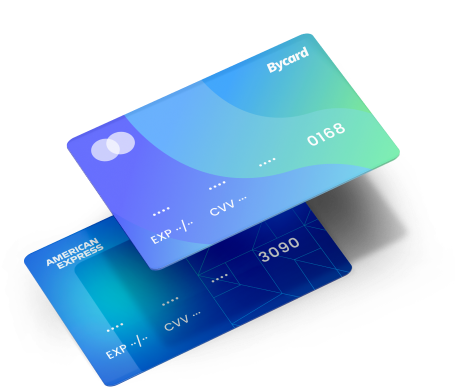
Perfect Card for running ads!
A Practical Example of Fraud Prevention in Action
Imagine a digital marketing team running campaigns across three platforms:
Without Bycard:
- One card is used across all platforms
- A billing error in one platform affects all campaigns
- Fraud or misuse is hard to trace
- Finance team discovers issues late
With Bycard:
- Each platform has a dedicated virtual card
- Each card has its own spending limit
- Alerts and tracking are automated
- A fraud issue in one card doesn’t impact others
Result: containment instead of collapse.
Where Businesses Still Get It Wrong
Even with Bycard virtual cards, fraud risk can still appear if:
- Too many users can generate cards without control
- Cards are not deactivated after projects end
- Spending limits are set too high by default
- Alerts and reports are ignored
Technology reduces risk, but structure determines how effective it is.
Conclusion
When Bycard is combined with automation, the way businesses manage fraud risk becomes more structured and intentional. Instead of reacting after an issue has already caused damage, the system is designed to reduce exposure from the start. Spending is no longer concentrated in a single vulnerable account; with Bycard, it is separated across different virtual cards, each tied to a specific use case or platform. Every transaction is also clearly recorded, which makes it easier to trace activity and understand exactly how funds are being used across the business.
With Bycard’s built-in controls, spending limits are automatically enforced at the card level, so unauthorized or excessive charges are blocked before they become a problem. This reduces the chances of fraud slipping through unnoticed or spreading across multiple payment channels. As a result, fraud has fewer entry points and fewer opportunities to go undetected.
Over time, Bycard shifts payment management from a reactive process into a controlled system where visibility and limits work together in real time. The real shift is not just in how payments are processed, but in how much control businesses gain through Bycard while everything runs in the background.

CATEGORIES

轻松完成账单支付的 Google Ads 支付方式指南现已上线
Wise vs Revolut? Comparing the Best Multi-Currency Card 2026

Wise Alternatives That Make Payment Faster and Currency Conversion Simple

Wire Transfer vs Bank Transfer – Swift Business Payments Now

Why Virtual Cards Matter in Digital Payments Now

Why Travel Rewards Credit Cards are Highly Important
