
 Log in
What Are Digital Assets and Their Benefits?
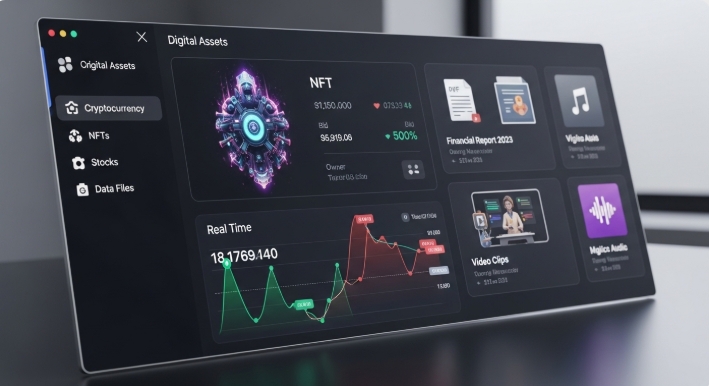
Digital assets are often discussed in connection with crypto, but that’s only a small part of the picture. At their core, digital assets refer to anything of value that exists in digital form and can be owned, transferred, or used within a system. That definition is broad on purpose, because modern digital infrastructure has expanded what “value” actually means.
Today, digital assets sit quietly behind a lot of everyday activity. They are present when money moves through fintech apps, when businesses store and share operational data, when creators distribute content, and when ownership is recorded without physical documents. In many cases, people interact with them without even labeling them as such.
What has changed is not just the technology, but the structure around value itself. Financial activity, identity, and ownership are increasingly being managed through digital systems that reduce reliance on physical processes and traditional intermediaries.
- What Are Digital Assets and Their Benefits?
- Understanding Digital Assets
- Types of Digital Assets (With Context)
- Digital Assets vs Traditional Assets
- Why Digital Assets Matter Today
- Key Benefits of Digital Assets
- How Digital Assets Work in Practice
- Use Cases of Digital Assets
- Challenges Around Digital Assets
- How Businesses Are Adapting
- The Direction Digital Assets Are Moving Toward
Understanding Digital Assets
A digital asset is anything that exists in digital form and holds value, ownership, or access rights within a system. That value is not limited to money; it can represent control, identity, information, or the ability to use a service.
What makes digital assets different is not just that they are “online,” but that they are structured to be stored, transferred, and verified through digital systems. This means ownership and usage are often defined by access, permissions, or cryptographic proof rather than physical possession.
In practical terms, digital assets function as the building blocks of modern digital activity, from payments and contracts to content and identity.
Types of Digital Assets (With Context)
Financial digital assets
These are the most visible because they directly represent money or investment value.
Cryptocurrencies like Bitcoin or Ethereum operate on decentralized networks, allowing users to transfer value without relying on traditional banks. Stablecoins, on the other hand, are designed to maintain a stable value, making them more practical for payments and everyday transactions.
Tokenized assets take this a step further by representing real-world assets, like stocks or real estate, in digital form. This allows ownership to be divided, transferred, or managed more efficiently, especially across borders.
What ties all of these together is that value is defined and moved digitally, often with fewer intermediaries.
Business and operational assets
These are less talked about but are deeply embedded in how companies function daily.
Digital documents such as contracts and invoices are not just files, they represent agreements, obligations, and financial records. Media files (videos, images, audio) often carry commercial value, especially for marketing and content-driven businesses.
Software licenses and databases represent access and operational capability. For example, access to a platform or system is itself a form of digital asset because it enables business activity.
In this category, the value is often tied to function and usage rather than direct monetary exchange.
Personal digital assets
These are the most familiar but often overlooked in discussions about value.
Email accounts, cloud storage, and social media profiles may not seem like assets at first, but they hold personal data, communication history, and in some cases, economic value (especially for creators or professionals).
Digital identity credentials, such as login details or verified profiles, are becoming increasingly important as more services move online. They act as gateways to other assets and systems.
Here, the value is tied to identity, access, and personal control.
Digital Assets vs Traditional Assets
Understanding digital assets becomes clearer when you compare them to traditional ones.
Traditional assets, like cash, physical property, or paper contracts, are typically:
- Tangible or paper-based
- Transferred through manual or institutional processes
- Verified through physical documentation or centralized authorities
Digital assets, on the other hand, are:
- Fully digital and system-based
- Transferred through networks or platforms
- Verified through technology (databases, encryption, or blockchain systems)
The key difference is how ownership and transfer are handled.
With traditional assets, control often depends on physical possession or institutional validation. With digital assets, control is determined by access, permissions, and system rules.
This shift has practical implications:
- Transactions can happen faster
- Records are easier to track and audit
- Access can be managed more precisely
However, it also introduces new considerations, such as reliance on technology and the need for proper security practices.
Why Digital Assets Matter Today
The shift toward digital assets is tied to how modern systems operate. More transactions, records, and ownership structures now exist online rather than physically.
A report from global financial institutions shows that digital payment and asset systems have grown by double-digit percentages year-over-year in the last decade, driven by mobile banking, fintech adoption, and cross-border trade needs.
But beyond statistics, the real question is simple: what makes them useful?
Key Benefits of Digital Assets
1. Faster movement of value
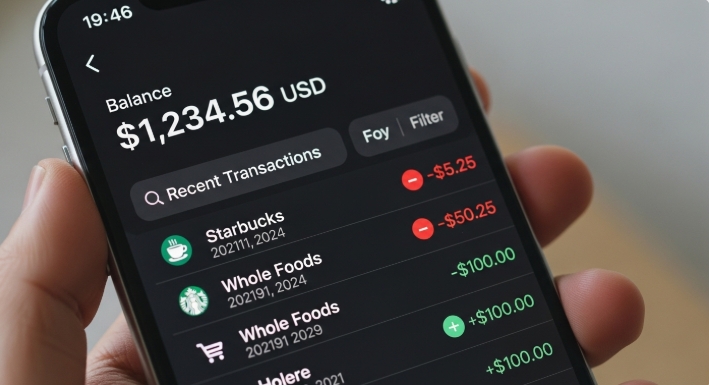
Traditional financial systems often depend on multiple intermediaries, which introduces delays in how money moves. Digital assets change this by allowing value to be transferred directly through digital networks, reducing settlement time significantly.
For example, cross-border payments that typically take days can now be completed within minutes using blockchain-based systems. The same applies internally, businesses can move funds between departments or subsidiaries instantly without waiting on bank processing cycles.
This speed is not just convenient; it directly impacts how businesses manage cash flow, respond to opportunities, and operate across different regions.
2. Lower operational friction
One of the less obvious but more impactful benefits of digital assets is how they reduce reliance on manual processes. Instead of handling paper invoices, physical verification, or delayed reconciliation, businesses can operate through fully digital workflows.
In practice, this means invoices are generated and processed digitally, identity verification can happen through automated systems, and financial tracking is updated in real time. The result is fewer administrative bottlenecks and a noticeable reduction in human error, especially in high-volume operations.
3. Improved transparency and traceability
Digital assets introduce a level of visibility that is difficult to achieve with traditional systems. Every transaction, transfer, or change in ownership can be recorded and tracked within a system, creating a clear audit trail.
This makes it easier to verify ownership, monitor financial activity, and detect irregularities early. In industries like finance, supply chain, and compliance-heavy sectors, this level of traceability is not just useful, it becomes essential for accountability and risk management.
4. Better accessibility to financial systems
Digital assets have significantly lowered the barrier to accessing financial tools. Unlike traditional systems that often require formal banking relationships, digital systems allow users to participate with minimal infrastructure.
Someone without a bank account can still receive and store value digitally. Freelancers can work with international clients without needing local banking support in each country. Small businesses can accept payments globally without complex setup processes.
5. Programmability and automation
A defining feature of digital assets is that they can be programmed to behave in specific ways. This moves financial activity beyond simple transactions into automated systems.
Payments can be triggered when predefined conditions are met, contracts can execute without manual intervention, and recurring transactions like subscriptions can run automatically. Over time, this reduces the need for constant oversight and allows businesses to build systems that operate with minimal friction.
6. Security and controlled access
Digital assets are protected through structured security systems rather than physical safeguards. This includes encryption, authentication layers, and permission-based access controls.
For example, accounts can be secured with multi-factor authentication, crypto assets can be accessed through wallet credentials, and business systems can assign different access levels to different users. While risks still exist, these controls often provide more precision and flexibility than traditional methods like cash handling or paper documentation.
How Digital Assets Work in Practice
Understanding digital assets becomes clearer when you look at how they function step by step in real scenarios. Rather than existing as isolated items, they move through a lifecycle that defines how they are created, stored, accessed, and used
Step 1: Creation or digitization
A digital asset either originates in digital form or is converted from a physical format. A contract can become a cloud-based document, money can be represented as a token in a wallet, and ownership can be recorded as a digital entry on a blockchain.
This step is important because it defines how the asset will be managed going forward. Once digitized, it becomes part of a system.
Step 2: Storage
After creation, the asset is stored within a digital environment. This could be cloud infrastructure for documents, blockchain networks for financial assets, or secure databases for operational data.
The choice of storage determines how secure, accessible, and transferable the asset will be.
Step 3: Access and control
Users interact with digital assets through applications, dashboards, wallets, or APIs. Access is not just about visibility; it defines control.
Permissions can be set to determine who can view, edit, transfer, or manage the asset, which is especially important for businesses handling sensitive or high-value data.

Perfect Card for running ads!
Step 4: Transfer or usage
Once accessible, the asset can be used in different ways. It can be transferred as a payment, shared as a document or media file, or executed as part of an automated system like a smart contract.
This stage is where digital assets deliver their practical value, enabling movement, interaction, and functionality within a system.
Use Cases of Digital Assets
1. Business payments and operations
Businesses use digital assets to manage financial activity in a more connected way. Payments to vendors can be made across borders without long delays, subscriptions can be handled automatically, and expenses can be tracked in real time.
This creates a more continuous view of financial activity rather than relying on periodic updates or manual reconciliation.
2. Investment and wealth storage
Digital assets are also used as stores of value and investment tools. Cryptocurrencies and tokenized securities allow individuals and institutions to diversify portfolios and gain exposure to global markets.
They can also act as a hedge in environments where traditional currencies are unstable, although this comes with its own risks.
3. Creative ownership and content rights
For creators, digital assets provide a way to establish and manage ownership. Content can be licensed, distributed, and monetized digitally without relying entirely on centralized platforms.
This is particularly relevant in industries like media, design, and entertainment, where ownership and usage rights are critical.
4. Supply chain tracking
Digital asset systems are increasingly used to track goods and verify authenticity. By recording each step of a product’s journey digitally, businesses can reduce fraud, prevent counterfeiting, and improve transparency across the supply chain.
5. Identity and authentication
Digital identity systems allow users to verify themselves online without relying solely on physical documentation. This improves onboarding processes, reduces fraud, and strengthens access control across platforms and services.
Challenges Around Digital Assets
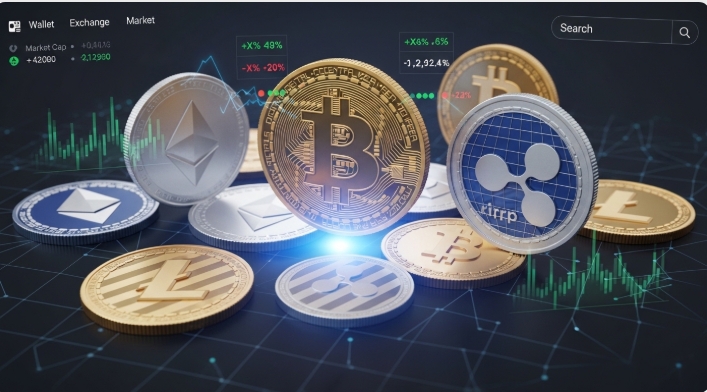
Despite their advantages, digital assets come with challenges that reflect the fact that the systems around them are still evolving.
1. Regulation is still evolving
Different countries apply different rules to digital assets, which creates uncertainty for businesses operating across borders. This lack of uniformity can affect how assets are used, taxed, or transferred.
2. Security risks still exist
Although digital systems offer strong protection mechanisms, they are not immune to risk. Issues like phishing attacks, poor key management, and platform vulnerabilities can still lead to loss or misuse if not properly handled.
3. Complexity for new users
For individuals unfamiliar with digital systems, understanding how to store, manage, and secure digital assets can feel overwhelming. This learning curve can slow adoption, especially among less tech-savvy users.
4. Infrastructure dependency
Digital assets rely heavily on internet access, platforms, and device security. Without these, access becomes limited, which can be a challenge in regions with unstable infrastructure.
How Businesses Are Adapting
Businesses are increasingly designing systems around digital assets rather than treating them as optional tools.
This includes:
- Integrating digital payment systems into operations
- Using automated financial workflows
- Structuring expense management through digital platforms
- Separating funds for better control and accountability
The direction is clear: financial systems are becoming more layered, automated, and digital-first.
The Direction Digital Assets Are Moving Toward
Digital assets are steadily becoming part of a broader financial infrastructure rather than existing as standalone tools. What we are seeing is a transition toward systems where value is tokenized, payments are automated, and ownership is managed digitally by default.
At the same time, financial tools are being embedded directly into everyday platforms, making transactions and asset management feel less like separate activities and more like a natural part of digital interactions.
This shift suggests that over time, digital assets will not feel like a distinct category, they will simply be how value is handled across systems.
Conclusion
Digital assets are becoming a core part of how value moves in today’s economy, not just a niche financial concept. They shift ownership, payments, and records into systems that are faster, more traceable, and easier to access than traditional methods.
What makes them important is the change in structure they introduce. Instead of relying heavily on manual processes or intermediaries, value can now be stored, verified, and transferred through digital systems in real time. This affects both businesses and individuals, from how payments are made to how assets are managed.
At the same time, space is still evolving. Regulation, infrastructure, and user understanding are all catching up with how quickly adoption is happening. That gap explains why digital assets are widely used, but still developing in terms of consistency and clarity.
Overall, digital assets are steadily becoming the default layer for financial and ownership systems, gradually shifting how everyday transactions and value exchange are understood.

CATEGORIES

轻松完成账单支付的 Google Ads 支付方式指南现已上线
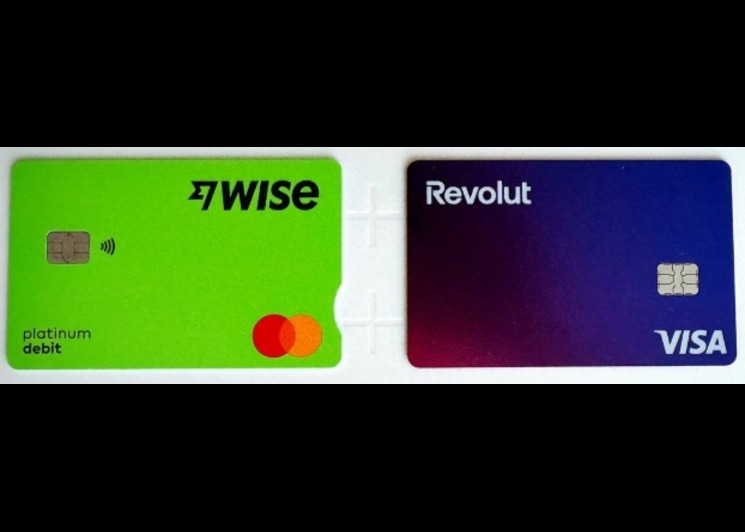
Wise vs Revolut? Comparing the Best Multi-Currency Card 2026
Wise Alternatives That Make Payment Faster and Currency Conversion Simple
Wire Transfer vs Bank Transfer – Swift Business Payments Now
Why Virtual Cards Matter in Digital Payments Now

Why Travel Rewards Credit Cards are Highly Important
