
 Log in
10 Best Virtual Credit Cards for Online Payments – April 2026 Review

Online payments have quietly become the backbone of how people and businesses operate. From SaaS subscriptions and ad spend to freelance tools and international shopping, money is now moving through digital systems more than physical ones.
In the middle of that shift, virtual credit cards (VCCs) have become one of the most practical tools for managing online spending. They’re simple: a digital card number you can use for payments without exposing your real card details.
But what really makes them useful today is control, limits, freezing, merchant locking, and instant issuance. Not all virtual cards are built the same though. Some focus on personal spending, others on business control, and a few are designed specifically for modern fintech workflows.
- 10 Best Virtual Credit Cards for Online Payments – April 2026 Review
- 10 Best Virtual Credit Cards for Online Payments
- 1. Revolut Virtual Card
- 2. Wise Virtual Card
- 3. Privacy Virtual Card
- 4. Coinbase Virtual Card
- 5. Bycard
- 6. Cryptomus Virtual Card
- 7. N26 Virtual Card
- 8. Openbank Virtual Card
- 9. SENDS Virtual Card
- 10. Capital One Virtual Card
- How virtual credit cards actually work
- Why virtual credit cards are growing fast
- Choosing the right virtual card
What matters when choosing a virtual credit card?
Before getting into the list, it helps to understand what actually separates one VCC from another.
Most users care about:
- Security control (freeze, limit, or delete card instantly)
- Speed of issuance
- Global acceptance (Visa/Mastercard rails)
- Multi-currency support
- Subscription and recurring payment control
- Business expense tracking features
10 Best Virtual Credit Cards for Online Payments
1. Revolut Virtual Card
Key strengths:
- Disposable cards for one-time payments
- Multi-currency wallet
- Instant freezing and controls
Pricing & fees:
Free plan available, with paid tiers unlocking more cards, better FX rates, and higher limits. Currency conversion fees may apply on weekends.
Best use cases:
- Travel: Hold and spend in multiple currencies without switching accounts
- Shopping: Safe one-time purchases using disposable cards
- Subscriptions: Works well but limited control compared to merchant-lock tools
Includes basic budgeting, spending analytics, and app-based expense tracking. Revolut works best for individuals who want flexibility across travel, shopping, and everyday online payments in one app.
2. Wise Virtual Card
Best for:
- Paying global freelancers
- Cross-border shopping
- Holding multiple currencies in one wallet
Pricing & fees:
No monthly fee for basic use, but small charges apply for currency conversion and transfers based on real exchange rates.
Best use cases:
- Travel: Spend abroad using local currencies with minimal conversion markup
- Shopping: Ideal for international purchases
- Subscriptions: Works globally but lacks advanced subscription controls
Strong multi-currency account, invoice payments, and international transfer features. It works best for users who prioritize transparent exchange rates and frequent international transactions
3. Privacy Virtual Card
What it does well:
- Lock cards to specific merchants
- Set spending caps per card
- Pause subscriptions easily
Pricing & fees:
Free tier available with limits on number of cards; paid plans unlock more cards and advanced controls.
Best use cases:
- Subscriptions: Create dedicated cards per service
- Shopping: Prevent overcharging or hidden fees
- Travel: Limited compared to multi-currency platforms
Subscription tracking and merchant-level controls. It is especially useful for managing subscriptions and preventing unnoticed recurring charges.
4. Coinbase Virtual Card
Useful for:
- Everyday online payments
- Subscription services
- Converting holdings into usable currency
Pricing & fees:
No monthly fee, but crypto conversion and transaction fees may apply depending on usage.
Best use cases:
- Shopping: Spend crypto balances directly
- Subscriptions: Works if funded consistently
- Travel: Can be used globally where supported, but depends on crypto conversion
Crypto wallet integration and real-time conversion. It works well for users already active in crypto who want simple spending access.
5. Bycard

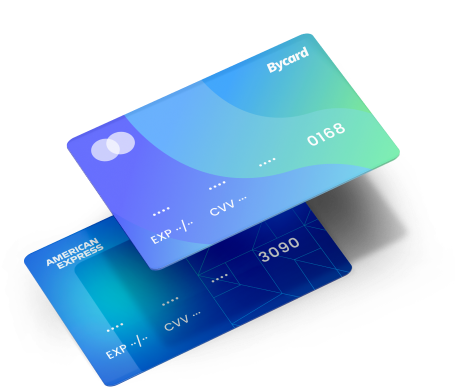
Bycard stands out because it isn’t just a virtual card product, it’s built around how digital businesses actually spend money today.
Pricing & structure:
Typically tailored to business use, with pricing depending on scale, usage, and features like card issuance and transaction volume.
You typically see it used for:
- Ad spend management (Meta, Google, TikTok ads)
- SaaS subscriptions
- Team-based spending control
- Cross-border vendor payments
What makes it different is how it handles structure:
- Cards can be issued per campaign, team, or vendor
- Spending limits can be set at a very granular level
- Real-time visibility helps track where money is going
- Designed to reduce uncontrolled spend leakage in businesses
Bycard fits more into financial control infrastructure than just a payment tool. That’s why it’s becoming common among digital agencies, remote teams, and startups managing multiple payment streams.
6. Cryptomus Virtual Card
Key features:
- Spend stablecoins like USDT
- Instant conversion at checkout
- Works globally via card networks
Pricing & fees:
Fees apply on crypto conversion and transactions depending on network and currency.
Best use cases:
- Shopping: Pay directly with crypto
- Subscriptions: Works if balances are maintained
- Travel: Can be used internationally with supported merchants
Crypto wallet integration and transaction management. It is mainly used by crypto users who want to turn digital assets into everyday spending power.
7. N26 Virtual Card
Highlights:
- Instant card creation
- Apple Pay / Google Pay support
- Real-time transaction tracking
Pricing & fees:
Free plan available, with premium tiers offering more cards, insurance, and travel perks.
Best use cases:
- Travel: Integrated banking with travel-friendly features
- Shopping: Smooth mobile payment experience
- Subscriptions: Basic tracking through app insights
Spending insights, budgeting tools, and banking integration. It is a good fit for users who prefer handling banking and payments in one digital system.
8. Openbank Virtual Card
What stands out:
- Instant virtual card generation
- Banking dashboard integration
- Spending insights
Pricing & fees:
Generally low-cost or free with account, depending on region and usage.
Best use cases:
- Shopping: Everyday online transactions
- Subscriptions: Managed through banking dashboard
- Travel: Limited compared to multi-currency-focused tools
Basic expense tracking and account-level insights. It suits users who want traditional banking structure with digital-first payment tools.

Perfect Card for running ads!
9. SENDS Virtual Card
It supports:
- International transfers
- Online payments
- Multi-currency usage
Pricing & fees:
Fees vary based on transfer routes and currency conversions.
Best use cases:
- Cross-border payments: Sending and receiving funds globally
- Freelance work: Paying or receiving international payments
- Shopping: Works for global merchants
Payment processing and international transfer support. It is ideal for people who frequently make cross-border payments across different currencies.
10. Capital One Virtual Card
Why people use it:
- Strong fraud protection
- Easy integration with traditional banking
- Works with most online merchants
Pricing & fees:
No extra cost for virtual cards, but standard credit card interest and fees apply.
Best use cases:
- Shopping: Secure online purchases
- Subscriptions: Works reliably across platforms
- Travel: Accepted globally like a standard credit card
Fraud alerts, credit tracking, and account management tools. It remains a dependable option for users who prefer established banking systems with added online security.
How virtual credit cards actually work

Alt text: Secure online payment system protecting card details
Even though different providers add their own features, the core system is similar:
- A virtual card is generated inside an app or dashboard
- It comes with card number, expiry date, and CVV
- You use it for online payments like a normal card
- Transactions are deducted from your linked wallet or account
Why virtual credit cards are growing fast
Virtual credit cards are gaining steady adoption because online payments are no longer occasional, they are now part of everyday financial activity for individuals and businesses. As more services move online, from subscriptions and advertising platforms to global marketplaces and remote work tools, the need for safer, more controlled payment methods has increased.
1. Online spending is now default behavior
Most payments today happen online rather than in physical stores. People pay for software, ads, streaming services, and e-commerce purchases daily. Virtual cards fit naturally into this flow because they are built specifically for digital transactions.
2. Fraud protection is becoming a priority
Card details are increasingly exposed through online platforms, making fraud a real concern. Virtual credit cards help reduce this risk by allowing users to generate temporary or limited-use card numbers instead of sharing their main bank card details.
3. Spending control matters more
Both individuals and businesses want clearer visibility and control over where money goes. Virtual cards make it easier to assign budgets, set limits, or separate expenses like subscriptions, ads, and vendor payments without mixing transactions.
4. Cross-border payments are more common
With remote work and global digital tools becoming standard, more payments now cross borders. Virtual credit cards support this shift by making international transactions easier, especially for platforms that require flexible multi-currency or online payment options.
Choosing the right virtual card
The right option depends on what you actually need:
- Personal spending → Revolut, Wise, N26
- Subscription control → Privacy
- Crypto spending → Cryptomus, Coinbase
- Business control and ad spend → Bycard
Conclusion
Virtual credit cards are no longer just a convenient add-on for online payments. They’ve become a practical way people and businesses actively manage how money moves across digital platforms. Instead of relying on a single physical card for every transaction, users now create separate virtual cards for different purposes, subscriptions, ads, online shopping, or vendor payments. This shift makes spending more controlled and easier to track in real time.
What’s also changing is how specialized these tools are becoming. Some virtual card providers are built mainly for personal use, focusing on everyday spending and security. Others are designed for crypto users who need flexible ways to convert and spend digital assets. On the business side, platforms like Bycard are focused on structured financial control, helping teams manage budgets, assign spending limits, and monitor expenses across multiple departments or campaigns.
At this point, the choice is less about simply getting a virtual card and more about selecting a system that matches how your financial activity actually flows online and how much control you need over it.

CATEGORIES

轻松完成账单支付的 Google Ads 支付方式指南现已上线
Wise vs Revolut? Comparing the Best Multi-Currency Card 2026

Wise Alternatives That Make Payment Faster and Currency Conversion Simple

Wire Transfer vs Bank Transfer – Swift Business Payments Now

Why Virtual Cards Matter in Digital Payments Now

Why Travel Rewards Credit Cards are Highly Important
