
 Log in
Visa Introduces Intelligent Commerce Connect to Power Agentic Payments
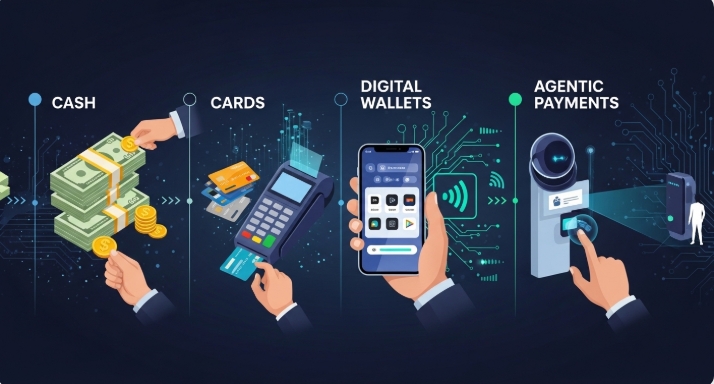
Digital payments have moved far beyond card swipes and manual checkouts. What used to require entering card details, confirming transactions, and waiting for approvals is now evolving into something more adaptive, payments that can think, decide, and act.
That’s the context behind agentic payments, and with Intelligent Commerce Connect, Visa is positioning itself at the center of this shift. But while infrastructure providers are building the backbone, platforms like Bycard are shaping how businesses actually experience and use these changes in real-world scenarios.
This isn’t just about a new product. It’s about how payments themselves are being redefined, from something you initiate to something that works on your behalf.
- Visa Introduces Intelligent Commerce Connect to Power Agentic Payments
What Are Agentic Payments (and Why Now)?
Agentic payments refer to transactions carried out by autonomous systems, software agents that don’t just execute instructions but make decisions based on context.
To make that clearer, it helps to look at how payment behavior has evolved:
- Manual payments: You initiate and approve every transaction
- Automated payments: Transactions happen on fixed schedules (like subscriptions)
- Agentic payments: Transactions happen dynamically, based on real-time conditions
That last stage is where things change significantly. Instead of reacting, the system evaluates and acts.
For example, rather than manually reordering supplies, an intelligent system can:
- detect when inventory is low,
- compare available vendors,
- select the best option based on cost or speed,
- and complete the payment instantly using tools like virtual cards or embedded payment solutions.
This is where platforms like Bycard quietly become essential. Even if the decision is made by an AI agent, there still needs to be a controlled way to execute that payment, and that’s the layer Bycard supports.
This shift is happening now because a few critical layers have matured at the same time:
- AI systems can interpret context more reliably
- Payment infrastructure is now API-driven and flexible
- Businesses are prioritizing efficiency and speed in financial operations
The Evolution of Digital Payments
Agentic payments didn’t appear suddenly. They’re part of a steady progression in how digital payments have been designed.
Early systems were heavily manual, requiring repeated input and verification. Over time, innovations like tokenization and digital wallets simplified the process. Payments became faster and less visible, but they were still reactive.
Now, we’re moving into a phase where payments are both invisible and proactive.
This is largely because payments now operate on top of a richer data layer. Instead of just moving money, they incorporate:
- identity verification
- behavioral patterns
- transaction history
- risk assessment signals
With this level of context, systems can move beyond execution into decision-making. That’s what makes agentic payments possible. For businesses already using solutions like Bycard, this transition feels less abrupt. The foundation, real-time tracking, flexible card issuance, and spend controls, is already in place. Agentic payments simply build on top of that.
What Is Intelligent Commerce Connect?
Visa’s Intelligent Commerce Connect is designed to support this new model by connecting AI-driven systems directly to payment infrastructure.
What makes it different is how it combines autonomy with control. Instead of simply enabling payments, it structures how those payments happen.
At a practical level, the platform does three things simultaneously:
- It connects AI agents to payment rails, allowing them to initiate transactions without manual intervention
- It introduces guardrails, such as spending limits and merchant restrictions, so autonomy doesn’t lead to risk
- It uses contextual data, ensuring payments are relevant, timely, and aligned with predefined rules
These elements work together, so the system behaves less like automation and more like a guided decision-maker. This kind of infrastructure pairs naturally with platforms like Bycard, where businesses can enforce those guardrails at the card or transaction level.
How Agentic Payments Work in Practice
The real value of agentic payments becomes clearer when you look at how they play out in everyday operations.
Business Procurement
In a typical setup, procurement involves multiple steps, someone identifies a need, compares vendors, seeks approval, and finally processes the payment. With agentic payments, this fragmented process becomes a continuous flow. The system can monitor inventory levels in real time, recognize when supplies are running low, evaluate suppliers based on cost and delivery timelines, and complete the transaction within predefined limits.
What makes this approach practical is the layer of control behind it. With Bycard, for instance, a virtual card can be tied specifically to procurement activities, ensuring that even when purchases are made autonomously, they stay within approved budgets and vendor restrictions.
Travel and Expense Management
Travel payments are another area where inefficiencies tend to pile up. Booking, approvals, payments, and reimbursements often exist as separate steps, creating delays and unnecessary back-and-forth.
With agentic payments, these steps are connected. Bookings can be made automatically within company policy, payments are executed instantly, and expense records are generated as the transaction happens. Instead of employees submitting reports after the fact, everything is captured in real time.
This is where tools like Bycard align naturally with the model. Transactions can be tracked as they occur, giving finance teams visibility without slowing down the process or relying on manual reporting.
Subscription Optimization
Subscriptions are easy to overlook, which is why they often become a source of wasted spending. Many businesses continue paying for tools or services they barely use simply because renewals happen automatically.
Agentic systems take a more active approach. They continuously assess usage patterns, identify services that are underutilized, and make adjustments before the next billing cycle. That could mean downgrading a plan, switching providers, or canceling entirely, followed by updating the payment accordingly.
Bycard supports this kind of flexibility by allowing businesses to assign or limit cards to specific subscriptions. This makes it easier to control recurring payments while still benefiting from automated decision-making.
Why Visa’s Move Matters
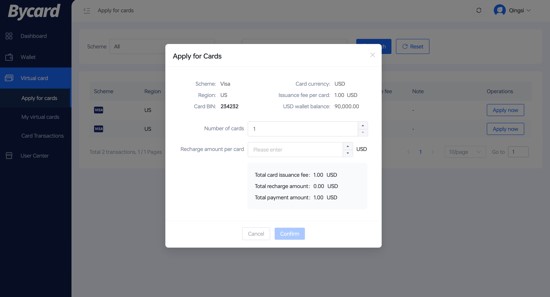
When a company like Visa builds infrastructure for agentic payments, it signals that this is moving beyond experimentation. But infrastructure alone isn’t enough, businesses still need a practical way to execute and control these payments, and that’s where Bycard becomes relevant.
As payments become more autonomous, the real challenge shifts from making payments possible to managing how they happen. Bycard sits at that execution layer, giving businesses the ability to issue virtual cards, define spending limits, and control where and how transactions occur.
This matters because agentic systems don’t remove the need for oversight, they change how it’s applied. Instead of manually approving every transaction, businesses set the rules upfront, and Bycard ensures those rules are enforced in real time.
So while Visa enables intelligent payment flows, Bycard makes those flows usable in everyday operations, keeping transactions structured, visible, and aligned with business needs.
Practical Implications for Businesses
For businesses, agentic payments don’t just improve processes, they change how financial operations are structured.
The benefits tend to show up in three key areas:
- Operational efficiency: Fewer manual approvals and faster workflows
- Cost control: Better vendor selection and reduced unnecessary spending
- Real-time visibility: Continuous tracking instead of delayed reporting
However, the real shift is in how businesses think about control. Instead of manually approving every payment, they define rules upfront.
That’s where Bycard becomes particularly useful. Businesses can:
- set spending limits per agent or workflow,
- control where and how payments are made,
- and maintain visibility without slowing down transactions.
Challenges You Shouldn’t Ignore
Despite the advantages, there are still practical concerns that will shape adoption.
Some of the most important ones include:
- Trust: Businesses need confidence that systems will behave as expected
- Regulation: Existing frameworks are still adapting to autonomous financial actions
- Data quality: Poor data can lead to poor decisions, which directly impacts payments
Even with these challenges, combining intelligent infrastructure with controlled execution layers, like what Bycard provides, helps reduce risk while maintaining flexibility.
Conclusion
Visa’s Intelligent Commerce Connect reflects a broader shift in digital payments, from systems that respond to instructions to systems that act on behalf of users.
Agentic payments sit at the center of this change, blending intelligence with execution. But while infrastructure makes this possible, platforms like Bycard make it usable,giving businesses the control, flexibility, and visibility needed to operate confidently in this new model.
The shift isn’t just about speed or convenience. It’s about moving toward a system where payments are no longer just actions, they’re decisions happening continuously in the background, guided by rules but executed with intelligence.

CATEGORIES

轻松完成账单支付的 Google Ads 支付方式指南现已上线
Wise vs Revolut? Comparing the Best Multi-Currency Card 2026
Wise Alternatives That Make Payment Faster and Currency Conversion Simple

Wire Transfer vs Bank Transfer – Swift Business Payments Now
Why Virtual Cards Matter in Digital Payments Now

Why Travel Rewards Credit Cards are Highly Important
