
 Log in
Facebook Ads Payment Method: Complete Guide to Paying for Facebook Ads Successfully
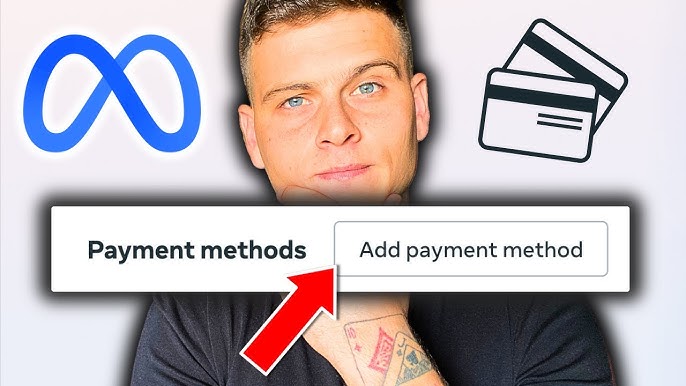
If you run campaigns on Facebook, choosing the right Facebook Ads payment method directly affects campaign stability, billing reliability, and account performance. Whether you are scaling globally, managing multiple ad accounts, or reducing payment failures, understanding your options helps prevent disruptions and maximize ad delivery.
In this guide, you will learn how Facebook billing works, the available payment methods, common payment problems, and how virtual cards can help advertisers scale campaigns efficiently.
In this article
- Facebook Ads Payment Method: Complete Guide to Paying for Facebook Ads Successfully
- What is a Facebook Ads Payment Method? How Facebook Evaluates Payment Reliability Signals
- Facebook Ads Virtual Card – How Advanced Advertisers Use Card Segmentation Strategies
- Virtual Card for Facebook Ads – Why Payment Infrastructure Impacts Campaign Stability
- Card for Facebook Ads – Hidden Causes Behind Card Declines
- Best Credit Card for Facebook Ads – Understanding Advertising Spend Patterns by Payment Type
- Common Facebook Ads Payment Problems and Solutions – The Payment Failure Escalation Cycle
- Why Advertisers Use Bycard for Facebook Ads Payments
What is a Facebook Ads Payment Method? How Facebook Evaluates Payment Reliability Signals
A Facebook Ads payment method refers to the billing option connected to your advertising account for paying campaign costs. Facebook supports multiple payment systems depending on your location, business structure, and billing setup.
Beyond simply processing transactions, Facebook’s billing system evaluates payment consistency over time. Accounts with repeated failed transactions, frequent payment method changes, or irregular spending spikes may experience stricter payment verification.
Rarely discussed indicators that can affect payment reliability include:
Common payment methods include:
- Credit cards
- Debit cards
- Virtual cards
- PayPal
- Manual payments
- Bank transfers (region-dependent)
- Mobile wallet solutions
NOTE
Because payment preferences differ by country, supported methods vary by region and account type.
Why Choosing the Right Payment Method Matters
Selecting the proper payment setup helps you:
- Prevent campaign interruptions
- Reduce declined transactions
- Improve billing management
- Separate ad spend from company expenses
- Scale campaigns across multiple accounts
- Manage payment thresholds efficiently
Facebook Billing Models Explained
Selecting the proper payment setup helps you:
Automatic Payments
Facebook charges you after reaching billing thresholds.
Manual Payment
You prepay advertising credits before campaigns run.
Monthly Invoicing
Available for eligible advertisers with higher spending levels.
Facebook Ads Virtual Card – How Advanced Advertisers Use Card Segmentation Strategies
Many advertisers now use virtual cards because they provide flexibility and stronger spend control for advertising operations.
A facebook ads virtual card enables advertisers to create dedicated payment methods specifically for campaign management. Many large advertisers do not rely on one payment source.
Instead, media buyers frequently segment cards by:
- Campaign type
- Geography
- Team member
- Client account
- Risk profile
- Traffic source
Example segmentation model:
- Card A → Prospecting campaigns
- Card B → Retargeting campaigns
- Card C → International campaigns
- Card D → Agency client campaigns
Benefits of Using a Virtual Card for Advertising
- Better spend tracking
- Reduced fraud exposure
- Easier multi-account management
- Faster card replacement
- Spending controls and limits
- Simplified team expense management
Virtual Card for Facebook Ads – Why Payment Infrastructure Impacts Campaign Stability
A virtual card for Facebook Ads works similarly to physical cards but exists digitally for online payments. Advertisers often focus only on approvals, but payment infrastructure quality directly affects campaign continuity.
Key infrastructure variables include:
- BIN reputation
- Card issuer stability
- Geographic compatibility
- Fraud engine sensitivity
- Currency matching
How Do I Add a Payment Method to Facebook Ads?
- Open Ads Manager
- Go to Billing & Payments
- Select Payment Settings
- Click Add Payment Method
- Enter card information
- Verify and save
Features to Look for in a Virtual Card
Consider:
- Spending limits
- Instant card generation
- Multi-currency support
- Team controls
- Card freezing options
- Transaction visibility
Card for Facebook Ads – Hidden Causes Behind Card Declines
Choosing the right card for Facebook Ads depends on spending habits, campaign scale, and geography. Card declines are not always caused by insufficient balance.
Accepted Card Types
Facebook generally accepts:
- Visa
- Mastercard
- American Express
- Debit cards
- Prepaid cards (limited support)
- Virtual cards
Reasons Cards Get Declined – Less obvious triggers include:
- Velocity limits from banks
- Merchant category restrictions
- Currency conversion failures
- High-risk merchant classification
- Repeated retry attempts
Best Credit Card for Facebook Ads – Understanding Advertising Spend Patterns by Payment Type
The best credit card for Facebook Ads depends on cashback preferences, transaction reliability, and international compatibility. Different payment methods behave differently under scaling conditions.
General advertiser patterns often show:
- Credit cards perform well for established spenders
- Virtual cards improve budget segmentation
- Debit cards may face lower approval consistency
- Shared cards increase operational risk
Features to Prioritise
Look for:
- High approval rates
- International acceptance
- Cashback rewards
- Strong fraud controls
- Low foreign transaction fees
- Flexible spending limits
Credit Card vs Virtual Card Comparison
| Factor | Credit Card | Virtual Card |
| Physical card | Yes | No |
| Multi-card management | Limited | Strong |
| Fraud controls | Moderate | High |
| Spend segmentation | Limited | Excellent |
| Campaign scaling | Moderate | Strong |
Common Facebook Ads Payment Problems and Solutions – The Payment Failure Escalation Cycle

A single failed payment can trigger secondary effects.
Potential chain reaction:
Failed Charge → Billing Verification → Ad Delivery Disruption → Account Review → Campaign Learning Reset
PRO TIP
Because campaign learning phases are sensitive to interruptions, payment stability becomes part of performance optimisation, not only finance management.
Facebook Ads Card Declined
Solutions include:
- Update billing information
- Try another card
- Contact your bank
- Use a dedicated payment card
Payment Threshold Problems
Monitor:
- Current threshold
- Spending limits
- Automatic charge triggers
Why Advertisers Use Bycard for Facebook Ads Payments
Advertisers managing multiple campaigns often require more control over billing operations.
Bycard helps advertisers by providing:
Better Spend Management
Control budgets at card level.
Multiple Card Generation
Separate campaigns across cards.
Improved Payment Flexibility
Reduce dependency on single payment sources.
Simplified Scaling
Support expanding advertising operations.
Positioning Bycard within a broader educational framework improves trust while matching informational search intent.
Conclusion
Choosing the right Facebook Ads payment method goes beyond simply adding a card, it directly impacts billing reliability, campaign continuity, and scaling efficiency. By understanding payment options, avoiding common billing issues, and using flexible solutions like virtual cards, advertisers can build a more stable and optimized advertising operation while reducing payment-related disruptions.

CATEGORIES
轻松完成账单支付的 Google Ads 支付方式指南现已上线
Wise vs Revolut? Comparing the Best Multi-Currency Card 2026
Wise Alternatives That Make Payment Faster and Currency Conversion Simple

Wire Transfer vs Bank Transfer – Swift Business Payments Now

Why Virtual Cards Matter in Digital Payments Now

Why Travel Rewards Credit Cards are Highly Important
