
 Log in
Cost control: What is Cost Control? Strategies, Tools, and Modern Business Expense Optimization
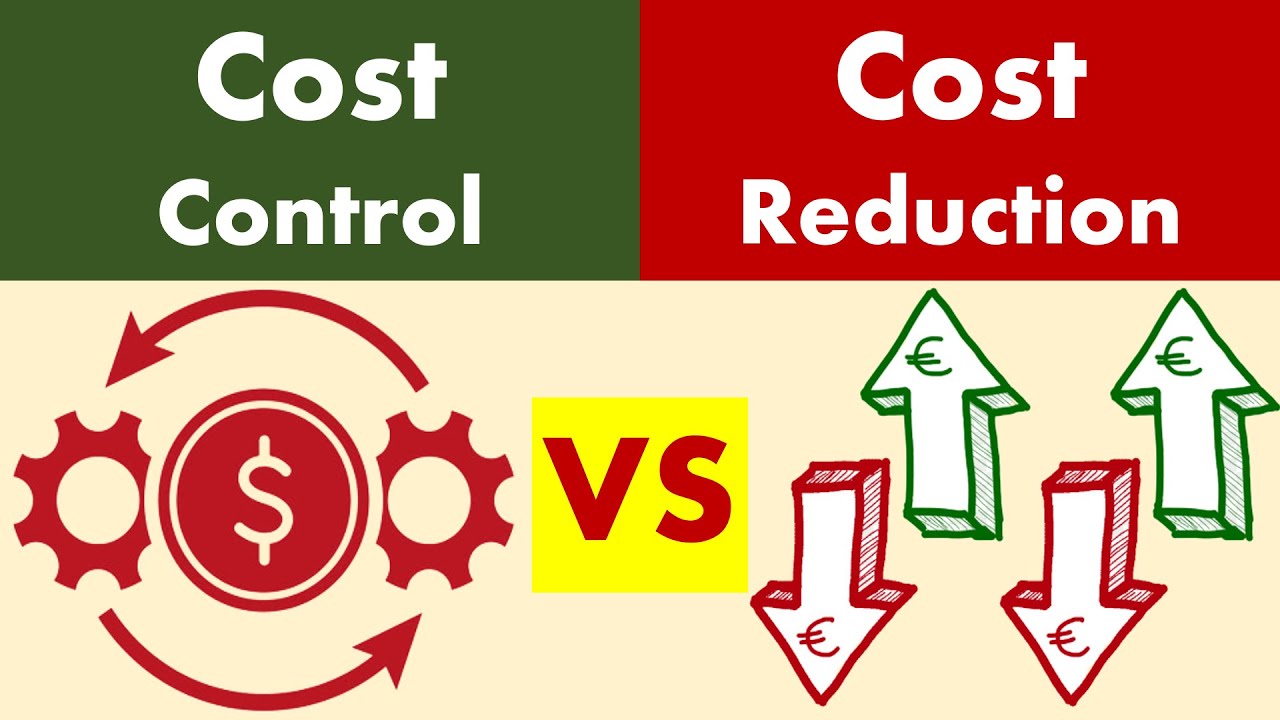
Cost control is the process of monitoring, analysing, and managing business expenses to reduce waste, improve profitability, and ensure spending aligns with organisational goals through budgeting, expense tracking, and financial oversight.
Businesses today face increasing pressure to reduce unnecessary spending while maintaining operational efficiency. Therefore, effective cost control has become essential for improving profitability, enhancing cash flow visibility, and supporting sustainable growth.
Cost control is more than reducing expenses, it involves monitoring spending patterns, implementing spending policies, improving financial visibility, and leveraging technology to create measurable operational efficiencies.
In this article
- Cost control: What is Cost Control? Strategies, Tools, and Modern Business Expense Optimization
- Expense Management Cards for Better Financial Visibility
- Corporate Virtual Card For Scalable Business Cost Control
- Business Virtual Card Solutions For Operational Efficiency
- Cost control Frameworks Businesses Should Implement
- Cost Tracking Tools and Automation
- How Bycard Supports Modern Cost control
- Cost control Best Practices
Expense Management Cards for Better Financial Visibility
The Expense management cards help businesses control spending by creating structured payment workflows and improving real-time expense monitoring. Additionally, they simplify reconciliation and reduce administrative workloads.
They refer to the costs businesses pay when using Meta’s advertising ecosystem to promote products, services, or content.
How Expense management cards Improve Cost Visibility
Businesses use expense management cards to:
- Track transactions instantly
- Reduce reimbursement delays
- Set departmental spending limits
- Improve budget monitoring
- Enable real-time spend visibility
- Minimise expense leakage
Key Benefits of Expense management cards
Improved Budget Monitoring
Businesses can compare planned budgets against actual expenditures more efficiently.
Faster Financial Reporting
Automated transaction categorisation reduces accounting workloads.
Enhanced Spend Governance
Custom controls improve compliance and reduce unauthorised spending.
Expense Management KPIs to Monitor
- Cost variance percentage
- Expense-to-revenue ratio
- Budget adherence rate
- Average transaction cost
- Department spending efficiency
NOTE
The biggest value of Expense management cards is not only controlling spending, it’s creating behavioural accountability. When employees know transactions are visible in real time, categorised automatically, and tied to budgets, overspending naturally decreases before finance teams need to intervene.
Spend Management Cards As a Modern Cost Control Strategy – Why is spend management important?

Spend management helps businesses control expenses, improve budgeting accuracy, increase financial visibility, and reduce waste through structured spending controls and monitoring systems.
Organisations increasingly adopt spend management cards because traditional expense processes create visibility gaps.
How Spend management cards Support Financial Control
Spend management cards help organisations:
- Improve expense tracking
- Monitor budget utilisation
- Strengthen spending policies
- Prevent overspending
- Improve procurement visibility
Core Spend Management Processes
Policy-Based Spending Controls
Organizations can apply predefined spending rules.
Real-Time Budget Monitoring
Managers gain immediate access to spending insights.
Department-Level Spend Tracking
Finance teams can evaluate spending patterns more accurately.

Perfect Card for running ads!

Corporate Virtual Card For Scalable Business Cost Control
A corporate virtual card provides businesses with secure payment methods while improving financial governance.
Benefits of Using Corporate virtual card Systems
Companies benefit through:
- Enhanced payment security
- Controlled spending thresholds
- Simplified vendor payments
- Improved expense categorization
- Better cost forecasting
Corporate virtual card Use Cases
Marketing Budget Management
Track campaign spending in real time.
Procurement Controls
Assign dedicated cards for suppliers.
Vendor Spend Tracking
Improve visibility across subscriptions and recurring payments.
Business Virtual Card Solutions For Operational Efficiency
Businesses increasingly use Business virtual card solutions to streamline expenses and improve spend accountability.
Advantages of Business virtual card Adoption
A business virtual card can:
- Increase spending transparency
- Reduce fraud risks
- Automate approvals
- Improve reconciliation speed
- Support budget management initiatives
Common Business virtual card Applications
Subscription Management
Track recurring software expenses.
Employee Spending Controls
Assign specific spending permissions.
Cross-Border Transactions
Manage international spending more effectively.
Cost control Frameworks Businesses Should Implement

Effective cost control requires structured processes.
Budget Monitoring and Forecasting
Businesses should continuously evaluate:
- Budget vs actual spending
- Forecast accuracy
- Department cost efficiency
- Resource allocation trends
Variance Analysis
By analysing these differences, businesses can improve forecasting accuracy, strengthen cost control, reduce unnecessary expenses, and make better data-driven financial decisions.
PRO TIP
Variance analysis helps organisations identify spending deviations and improve forecasting accuracy.
Cost Tracking Tools and Automation
Businesses increasingly adopt automation because manual processes slow decision-making.
Key capabilities include:
- Automated reporting
- Expense categorization
- Real-time dashboards
- Spend forecasting
- Workflow approvals
Cost control Metrics Every Business Should Track
Organisations should monitor:
| KPI | Purpose |
| Budget variance | Compare planned vs actual |
| Spend efficiency ratio | Evaluate resource use |
| Cost per transaction | Monitor operational expenses |
| Cash burn rate | Forecast sustainability |
| Expense growth rate | Identify risk trends |
Cost control Challenges Businesses Face
Common challenges include:
- Poor spending visibility
- Manual approvals
- Lack of forecasting tools
- Expense leakage
- Department overspending
- Fragmented financial systems
However, modern financial tools reduce these issues significantly.
How Bycard Supports Modern Cost control
Businesses require financial systems that combine spending controls with visibility.
Bycard helps organisations strengthen cost control through:
- Real-time spend visibility
- Virtual card management
- Budget monitoring tools
- Automated expense workflows
- Department spending controls
- Faster reconciliation processes
- Centralised financial reporting
As a result, finance teams gain improved oversight while reducing administrative overhead.
Cost control Best Practices
Businesses should:
- Establish spending policies
- Monitor expenses continuously
- Implement automated approvals
- Analyze spending patterns
- Forecast future expenses
- Improve procurement controls
- Review budgets regularly
Conclusion
Effective cost control helps businesses improve financial visibility, optimize spending, and support sustainable growth. By combining smart processes, real-time tracking, and modern financial tools, organisations can make better spending decisions while maintaining operational efficiency.

CATEGORIES

轻松完成账单支付的 Google Ads 支付方式指南现已上线
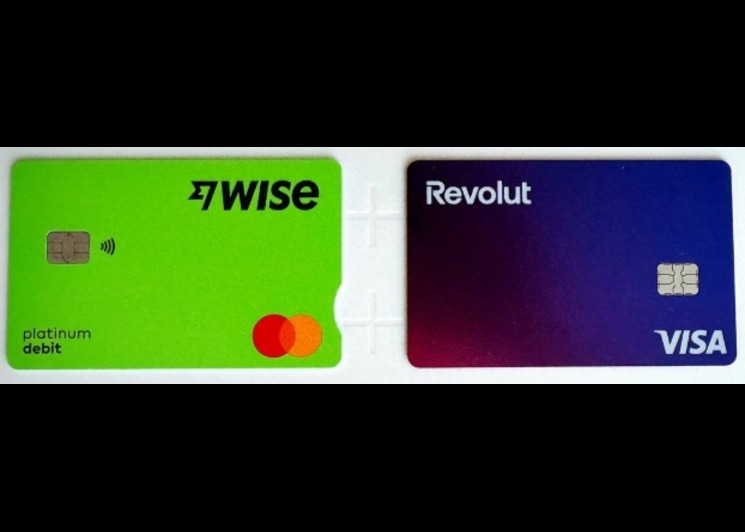
Wise vs Revolut? Comparing the Best Multi-Currency Card 2026

Wise Alternatives That Make Payment Faster and Currency Conversion Simple

Wire Transfer vs Bank Transfer – Swift Business Payments Now

Why Virtual Cards Matter in Digital Payments Now

Why Travel Rewards Credit Cards are Highly Important
