
 Log in
Facebook Ad Fees: Complete Guide to Costs, Billing, Payment Methods & Best Cards for Scaling Campaigns
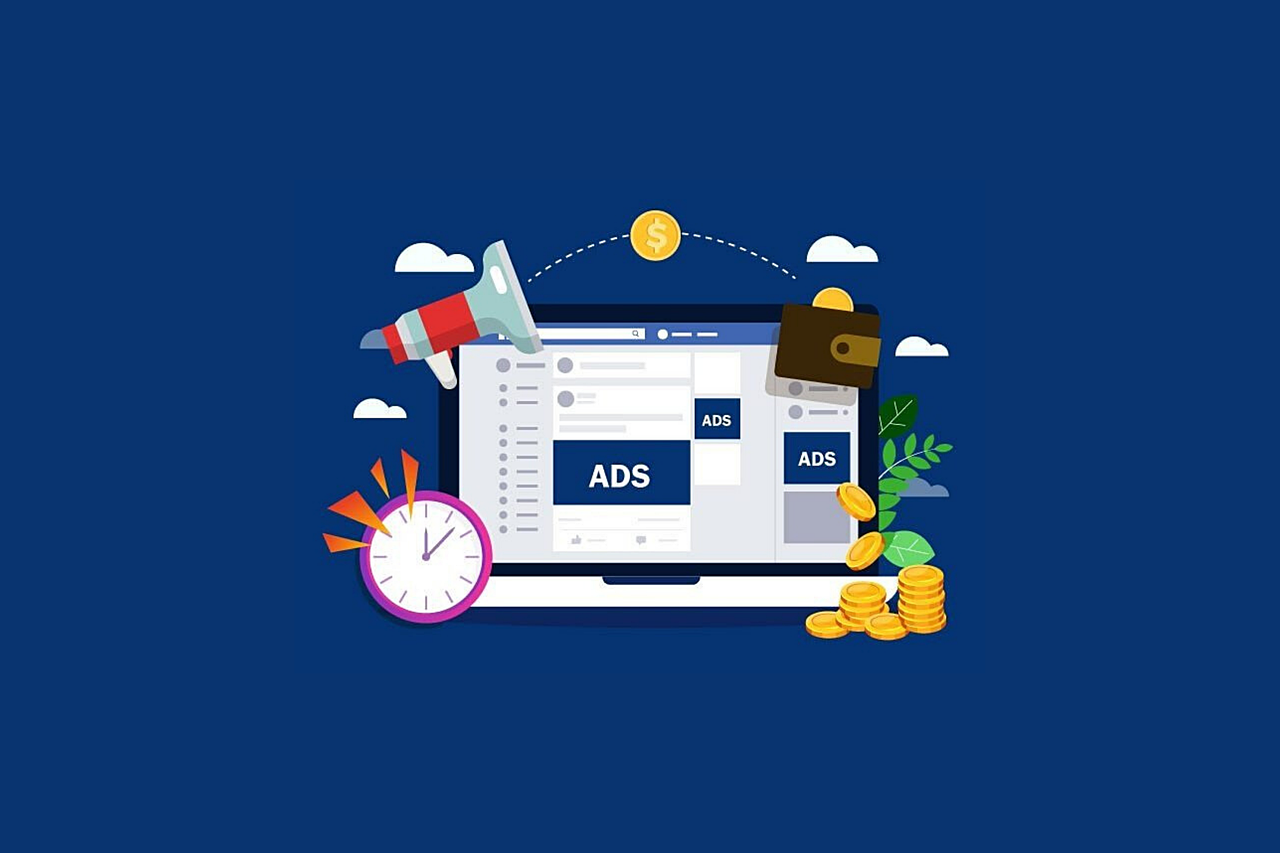
Facebook advertising remains one of the most widely used acquisition channels for brands, ecommerce stores, agencies, and startups. However, many advertisers still struggle to understand Facebook ad fees, how charges work, why costs fluctuate, and what payment methods reduce friction during campaign scaling. As competition increases, understanding billing systems, advertising costs, and payment infrastructure becomes increasingly important.
This guide explains Facebook ad fees, breaks down billing systems, explores payment methods, discusses optimization techniques, and shows how payment solutions can support campaign growth. Additionally, it incorporates benchmark insights, industry trends, and practical examples for advertisers operating at different spending levels.
Facebook Advertising Fees
Facebook advertising fees are the costs advertisers pay Meta to distribute ads across Facebook, Instagram, Messenger, and Audience Network using auction-based pricing models.
They refer to the costs businesses pay when using Meta’s advertising ecosystem to promote products, services, or content.
NOTE
Unlike traditional advertising models, Facebook operates largely through an auction-based system that dynamically adjusts pricing.
What Are Facebook Advertising Fees?
Facebook advertising fees typically include:
- Cost per click (CPC)
- Cost per mille (CPM)
- Cost per action (CPA)
- Cost per lead
- Conversion costs
- Ad delivery costs
- Cross-border processing costs
- Payment processing expenses
How Facebook Determines Advertising Fees
Several variables influence pricing:
Audience Competition
Highly competitive audiences increase costs because more advertisers compete for impressions.
Campaign Objective
Different objectives create different fee structures.
Examples:
- Traffic campaigns
- Lead generation campaigns
- Conversion campaigns
- Awareness campaigns
- Sales campaigns
Ad Relevance Score
Higher relevance generally lowers costs.
Industry Vertical
Industries like finance and SaaS often experience higher fees.
Average Facebook Advertising Benchmarks
Common benchmark ranges:
- Average CPC: $0.50–$3.50
- Average CPM: $5–$25
- Lead generation costs vary significantly
- E-commerce campaigns fluctuate seasonally
Factors Increasing Facebook Advertising Fees
- Audience overlap
- Poor creative quality
- Limited optimization
- Low CTR
- High competition periods
- Seasonal spikes
- Weak landing pages
Facebook Ads Billing- How does Facebook ads billing work?
Facebook ads billing works through automatic charging systems that process payments once spending thresholds or monthly billing dates are reached.
Understanding Facebook Ads billing is essential because billing confusion often leads to failed campaigns, account restrictions, or interrupted ad delivery.
How Facebook Ads Billing Works
Billing typically occurs through:
- Automatic billing
- Manual billing
- Monthly invoicing
Billing Thresholds Explained
Facebook increases billing thresholds gradually.
Examples:
- Initial threshold
- Spending limits
- Billing cycle adjustments
- Risk management controls
Common Billing Events
Billing Threshold Reached
Charges occur when spending hits thresholds.
Monthly Charge Date
Monthly billing triggers scheduled charges.
Payment Failure
Payment failures pause campaigns.
Why Billing Issues Happen
Common reasons:
- Declined cards
- Currency mismatch
- Fraud checks
- Spending limits
- Regional restrictions
How To Reduce Billing Problems
- Add backup cards
- Monitor thresholds
- Verify payment methods
- Track spend daily
- Use dedicated ad payment infrastructure
Facebook Ads payment method- What Is The Best Facebook Ads Payment Method?

Perfect Card for running ads!
Choosing the Facebook Ads payment method or correct payment infrastructure directly affects campaign stability.
Available Payment Methods
Common methods include:
- Credit cards
- Debit cards
- Virtual cards
- PayPal
- Bank transfers
- Manual funding methods
Selecting Payment Methods for Scaling
Consider:
Charge Success Rate
Higher approval rates reduce downtime.
Multi-account Support
Supports scaling operations.
Spend Limits
Helps budget management.
Currency Support
Useful for international advertisers.
Common Payment Method Challenges
- Card declines
- Country restrictions
- Fraud flags
- Spending caps
- Processing delays
Optimizing Payment Infrastructure
Recommended actions:
- Use dedicated advertising cards
- Separate campaign budgets
- Create payment redundancy
- Monitor authorisation failures
Information Gain Sources To Add
Support with:
- Benchmark reports
- Meta documentation
- Agency spend studies
- Cost datasets
- Performance case studies
- Ad benchmark reports
Facebook Advertising Fees by Industry Benchmarks and Industry Cost Data
Different industries experience different Facebook advertising fees because competition levels vary significantly.
Industry | Typical CPC | Typical CPM | Competition Level |
| Ecommerce | $0.70–$2.50 | $8–$20 | High |
| SaaS | $2–$8 | $12–$30 | Very High |
| Finance | $3–$12 | $15–$40 | Extremely High |
| Healthcare | $1–$5 | $10–$25 | High |
| Education | $1–$4 | $8–$18 | Medium |
| Real Estate | $1.50–$7 | $10–$30 | High |
| Travel | $0.80–$3 | $6–$20 | Medium |
PRO TIP
Benchmark reports help advertisers understand whether their Facebook ad fees align with industry averages. Furthermore, benchmark datasets provide context for budgeting decisions, bid strategies, and campaign forecasting.
Best Card for Facebook Ads- What is the best card for Facebook Ads?
The best card for Facebook Ads is one that offers reliable payment processing, strong approval rates, flexible controls, and support for scaling campaigns.
Advertisers running higher budgets often require more reliable payment infrastructure.
Characteristics of the Best Card for Facebook Ads
Important factors include:
- High approval rates
- Flexible spending controls
- International support
- Budget segmentation
- Team access controls
Why Advertisers Use Specialised Cards
Spend Management
Track advertising budgets more effectively.
Scaling Efficiency
Reduce interruptions.
Multi-Platform Support
Use across advertising channels.
How Bycard Fits Into Facebook Advertising Operations
Advertisers managing scaling campaigns often need payment infrastructure built for advertising operations. This is where Bycard can naturally support campaign workflows through dedicated advertising payment solutions.
Potential use cases include:
- Ad account payment separation
- Budget management
- Team spending controls
- Cross-market campaigns
- Scaling operations
Conclusion
Understanding Facebook ad fees is essential for building profitable and scalable advertising campaigns. From Facebook advertising fees and Facebook ads billing to selecting the right Facebook Ads payment method and identifying the best card for Facebook Ads, every component affects campaign performance and cost efficiency. Furthermore, advertisers who understand benchmarks, optimize payment infrastructure, monitor billing cycles, and use performance data are better positioned to reduce costs and improve results. As competition continues to increase, combining strong campaign optimization with reliable payment solutions and data-driven decision-making can help advertisers maximize advertising budgets and scale more effectively.

CATEGORIES
轻松完成账单支付的 Google Ads 支付方式指南现已上线
Wise vs Revolut? Comparing the Best Multi-Currency Card 2026
Wise Alternatives That Make Payment Faster and Currency Conversion Simple

Wire Transfer vs Bank Transfer – Swift Business Payments Now

Why Virtual Cards Matter in Digital Payments Now

Why Travel Rewards Credit Cards are Highly Important
