
 Log in
Crypto Business Payments – What are Crypto Business Payments?

Crypto Business Payments are digital payment workflows that enable companies to use cryptocurrencies and stablecoins for supplier payments, payroll, subscriptions, expense management, treasury operations, and international transactions. Businesses use crypto-powered infrastructure to reduce payment friction, improve settlement speed, and create more flexible financial systems.
Digital payments continue evolving rapidly, and businesses increasingly require faster, borderless, and more scalable payment solutions. As organisations expand internationally, they often encounter delays, high fees, fragmented banking systems, and slow settlement cycles. Consequently, companies increasingly explore crypto-powered infrastructure to improve efficiency.
Modern payment ecosystems now combine stablecoins, treasury management tools, card infrastructure, and automated payment workflows to simplify operations. Furthermore, organisations that build flexible payment systems often improve financial visibility while reducing operational complexity.
In this article
- Crypto Business Payments – What are Crypto Business Payments?
- What is a Cryptocurrency Business Account?
- What is a Crypto Payment Account?
- What is USDT Business Payment?
- What is Virtual Card With Crypto Top Up?
- Crypto Business Payments Work Best When Companies Implement Complete Payment Workflows Rather Than Isolated Payment Tools.
- Bycard Helps Businesses Connect Crypto Infrastructure With Practical Spending and Payment Workflows.
What is a Cryptocurrency Business Account?
A Cryptocurrency Business Account is a business-focused financial solution that allows organisations to hold digital assets, manage payments, automate treasury operations, and simplify international transactions.
A Cryptocurrency Business Account gives organisations a centralised way to hold, receive, convert, and distribute digital assets while supporting modern treasury requirements. Businesses operating across multiple countries frequently experience banking limitations, settlement delays, and expensive transfer costs. Therefore, companies increasingly adopt crypto-enabled financial systems to reduce operational bottlenecks and increase financial flexibility. Moreover, these accounts provide access to multi-currency capabilities, stablecoin management, transaction visibility, and business payment infrastructure designed for international operations.
Cryptocurrency Business Account Helps Businesses Simplify Global Financial Operations and Scale Internationally.
As digital commerce expands, businesses require solutions that support supplier payments, treasury diversification, and payment automation without creating additional complexity. Additionally, organisations with distributed teams benefit from real-time settlement capabilities and easier access to international payment rails. Since scalability remains critical for growth-focused companies, Cryptocurrency Business Account solutions increasingly become part of long-term operational strategies.
Why businesses are moving toward crypto-powered financial infrastructure
- Faster settlements
- Better treasury flexibility
- Reduced international friction
- Lower payment costs
- Multi-currency support
- Borderless operations
Core Capabilities Businesses Expect From Digital Payment Infrastructure
Treasury flexibility
Stablecoin management
Multi-user access controls management
Financial visibility
Spend management tools
What is a Crypto Payment Account?
A Crypto Payment Account enables businesses to receive, hold, convert, and distribute cryptocurrencies while supporting operational payment workflows.
A Crypto Payment Account functions as an operational layer that allows organisations to receive digital assets, execute payments, automate payouts, and manage treasury workflows from one ecosystem. Businesses increasingly require infrastructure that supports international payments without excessive intermediary costs or long settlement windows. Consequently, payment accounts built around crypto infrastructure provide improved flexibility and stronger payment efficiency.
Crypto Payment Account Enables Companies To Manage Vendor Payments, Treasury activities, and Global Transactions More Efficiently.
Furthermore, organisations using crypto payment systems can automate recurring payments, streamline vendor settlements, and improve cash flow management. Companies working with international suppliers frequently benefit because cross border crypto payments remove many traditional banking restrictions. Additionally, businesses managing global teams often use these accounts to improve payment speed while reducing processing costs. As payment infrastructure evolves, organisations increasingly prioritise solutions that support payment automation, transaction visibility, and financial control across multiple markets.
Payment Workflows Businesses Can Automate
Supplier payments
Invoice settlements
Payroll distribution
Subscription payments
Global payouts
What is USDT Business Payment?
USDT Business Payment refers to business transactions executed using stablecoin infrastructure for faster, more predictable settlements.
Stablecoins continue reshaping payment infrastructure because businesses increasingly prioritise speed, predictability, and cost efficiency. USDT Business Payment systems allow organisations to settle transactions faster while reducing volatility concerns associated with traditional cryptocurrencies. As businesses expand internationally, stablecoins become increasingly valuable because they simplify cross-border settlement and improve liquidity movement.
USDT Business Payment Creates Faster Settlement Experiences For Companies Operating Across Borders.
Moreover, companies frequently use stablecoins for payroll, supplier payments, operational expenses, treasury management, and international transfers. Since many businesses need predictable payment values, stablecoins provide more reliable transaction experiences than highly volatile digital assets. Additionally, organisations operating across multiple jurisdictions often use stablecoins to reduce banking friction and improve payment accessibility.
Businesses implementing stablecoin business payments frequently improve cash flow visibility because funds settle faster and remain easier to track. Consequently, stablecoins increasingly support payment workflows for global organizations seeking more efficient financial infrastructure.
Why Stablecoins Matter For Business Operations
- Faster settlement times
- Reduced volatility exposure
- Better liquidity movement
- Lower transaction costs
- Simplified treasury management
- Improved cross-border efficiency

Perfect Card for running ads!
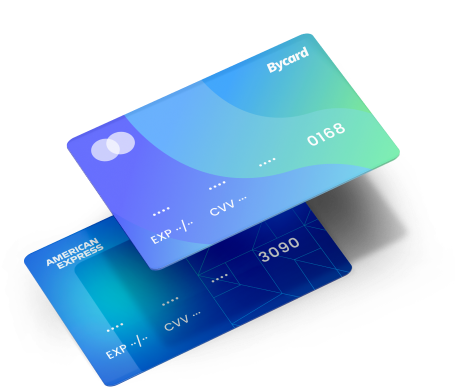
What is Virtual Card With Crypto Top Up?
Virtual Card With Crypto Top Up allows businesses to fund digital payment cards using cryptocurrency balances for operational spending.
Businesses increasingly require payment infrastructure that connects treasury management directly with operational spending. Virtual Card With Crypto Top Up functionality allows organisations to convert digital assets into everyday payment tools for subscriptions, advertising, software, travel expenses, and supplier purchases. Therefore, businesses gain greater spending flexibility while reducing friction between holding crypto assets and using funds operational.
Virtual Card With Crypto Top Up Gives Businesses More Flexibility When Managing Spending and Operational Expenses.
Additionally, virtual cards improve expense visibility because organizations can implement spending controls, transaction monitoring, and approval workflows. Companies with remote teams particularly benefit because virtual cards simplify distributed spending management. Furthermore, businesses operating globally can improve payment efficiency by funding expenses through digital asset infrastructure rather than relying entirely on traditional banking systems.
As organisations increasingly integrate crypto payment workflows into everyday operations, crypto-funded cards become an important bridge between treasury systems and practical business spending.
Common spending categories supported by crypto-funded cards
Advertising spend
Software subscriptions
Team expenses
Vendor purchases
International business payments
Crypto Business Payments Work Best When Companies Implement Complete Payment Workflows Rather Than Isolated Payment Tools.
Businesses often adopt disconnected financial tools that create operational inefficiencies and fragmented workflows. Consequently, organisations increasingly focus on integrated systems that combine treasury management, stablecoin infrastructure, expense management, payment automation, and global payout capabilities. Payment infrastructure becomes more effective when organisations connect each stage of the transaction lifecycle.
A complete payment ecosystem typically starts with receiving funds, managing treasury positions, executing payouts, and automating reporting processes. Furthermore, organisations implementing structured payment workflows often improve operational visibility while reducing manual processes. Businesses that integrate crypto business payments into everyday financial operations generally experience better scalability because payment systems evolve alongside company growth.
PRO TIP
Companies should prioritise payment infrastructure that supports flexibility because financial operations continue changing rapidly. Therefore, building connected payment systems creates stronger long-term operational resilience.
Recommended payment workflow framework
- Receive customer payments
- Hold digital assets securely
- Convert assets when necessary
- Execute vendor payouts
- Track business spending
- Automate reconciliation
- Monitor treasury performance
Bycard Helps Businesses Connect Crypto Infrastructure With Practical Spending and Payment Workflows.

Organizations often need more than payment processing because modern financial operations require treasury flexibility, spending controls, and operational visibility. Bycard fits naturally into Crypto Business Payments because businesses can combine crypto-funded spending with practical financial workflows. Instead of managing separate systems for treasury and expenses, companies increasingly seek infrastructure that connects both functions.
Additionally, businesses using digital assets frequently require operational tools that simplify everyday spending while maintaining financial oversight. Bycard supports this need by helping organisations bridge digital assets with practical business transactions. Furthermore, businesses managing distributed teams, subscriptions, and global operations often benefit from stronger spend visibility and easier transaction management.
NOTE
As crypto adoption expands, businesses increasingly prioritise solutions that integrate treasury infrastructure with real-world payment execution. Therefore, solutions that connect crypto assets with operational spending continue becoming more valuable.
Where Bycard Fits Into Business Payment Infrastructure
- Business spending controls
- Crypto-funded operations
- Global payment flexibility
- Expense visibility
- Treasury efficiency
Conclusion
Crypto Business Payments are transforming how businesses manage international transactions, treasury operations, vendor payouts, and operational spending. As companies increasingly adopt stablecoins, automated payment workflows, and crypto-powered financial infrastructure, businesses need solutions that improve speed, flexibility, and payment visibility.

CATEGORIES

轻松完成账单支付的 Google Ads 支付方式指南现已上线
Wise vs Revolut? Comparing the Best Multi-Currency Card 2026

Wise Alternatives That Make Payment Faster and Currency Conversion Simple

Wire Transfer vs Bank Transfer – Swift Business Payments Now

Why Virtual Cards Matter in Digital Payments Now

Why Travel Rewards Credit Cards are Highly Important
