
 Log in
Reloadable Visa Card: How It Works and Where to Get One
A reloadable visa card lets you add money to the card after the initial load and use the available balance for eligible purchases. Unlike a one-time-use gift card, a reloadable card can be funded repeatedly, depending on the card issuer’s rules, fees, limits, and supported funding methods.
Before choosing one, compare reload methods, fees, reload limits, transaction restrictions, online usability, and whether the card is physical or virtual.
Where to Buy Reloadable Visa Card
You can typically find a where to buy reloadable visa card option through card issuers, banks, financial-service providers, and approved retailers. However, availability, eligibility, fees, and reload methods vary by provider.
What to Check Before You Buy
Look at:
- Initial card fees
- Reload fees
- Monthly or maintenance fees
- Reload limits
- Supported funding methods
- ATM access and fees
- Online purchasing
- Card expiration
- Identity-verification requirements
Check the Total Cost, Not Just the Purchase Price
A card advertised as low-cost may still have reload, ATM, foreign-transaction, or monthly fees. Therefore, compare the complete fee structure before choosing a card.
Where Can I Get a Reloadable Visa Card
If you’re asking where can i get a reloadable visa card, start by checking the provider’s official website for availability, eligibility, supported countries, funding methods, and current fees.
Physical vs. Virtual Reloadable Cards
A physical card can be useful for in-store purchases and, where supported, ATM transactions. A virtual card, on the other hand, is designed primarily for online payments.
Choose Based on How You Spend
If your priority is online shopping, subscriptions, advertising, or other digital payments, a virtual option may provide a more convenient experience. Always confirm the card’s permitted transaction types before signing up.
Reloadable Prepaid Visa Card: How Does It Work?
How to Reload a Visa Card
The available method depends on the issuer. Common methods can include:
- Bank transfer
- Direct deposit
- Debit-card funding
- Cash reload through supported locations
- Other issuer-approved funding methods
What Happens When the Balance Runs Out?
Once the available balance reaches zero, transactions that require additional funds generally cannot be completed until the card is successfully reloaded.
Therefore, check the balance before important purchases or recurring payments.
Debit Cards With No Fees
When comparing reloadable cards with debit cards with no fees, look beyond the headline fee.
| Cost | What to check |
| Monthly fee | Whether a recurring charge applies |
| Reload fee | Cost of adding money |
| ATM fee | Withdrawal charges |
| Foreign transaction fee | Cost of overseas transactions |
| Replacement fee | Cost of replacing a lost card |
| Inactivity fee | Whether inactivity triggers a charge |
NOTE
A “no-fee” debit card may still have fees for specific services. Consequently, always review the complete fee schedule.
What Makes a Good Reloadable Visa Card?

The best option depends on how you intend to use it. Look for a combination of transparent pricing, convenient reload methods, suitable limits, broad acceptance, security controls, and reliable customer support.
Before choosing a card, also check:
- Reload processing time: Is funding instant or does it take longer?
- Reload limits: What are the daily, monthly, and transaction limits?
- Funding restrictions: Are certain currencies or funding sources excluded?
- Refund handling: How are merchant refunds credited?
- Recurring payments: Are subscriptions supported?
- Merchant restrictions: Are particular transaction categories excluded?
- KYC requirements: What identification is required?
- Card expiration: What happens when the card expires?
- Balance recovery: What happens to remaining funds when the card expires or closes?
PRO TIP
These details can make a significant difference even when two cards appear similar.

Perfect Card for running ads!
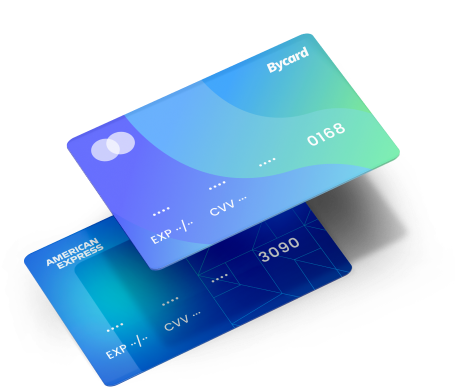
Reloadable Visa Card From Bycard
Bycard provides virtual card solutions designed for online payments and business spending. Depending on the available card product and applicable terms, users can access Visa or Mastercard card options and funding methods intended for digital transactions.
Why Consider Bycard?
Bycard can be particularly relevant if your primary use case involves:
- Online purchases
- Business expenses
- Digital subscriptions
- Advertising platforms
- Virtual card payments
- Managing online spending
Before applying, review the specific Bycard product’s fees, funding options, limits, supported transactions, eligibility requirements, and applicable terms.
Conclusion
A reloadable Visa card can provide convenient spending without relying on a traditional credit line. However, compare fees, reload methods, limits, restrictions, and security features before choosing one. For digital and business spending, also consider whether a virtual card better matches your needs.

CATEGORIES

轻松完成账单支付的 Google Ads 支付方式指南现已上线
Wise vs Revolut? Comparing the Best Multi-Currency Card 2026
Wise Alternatives That Make Payment Faster and Currency Conversion Simple
Wire Transfer vs Bank Transfer – Swift Business Payments Now

Why Virtual Cards Matter in Digital Payments Now

Why Travel Rewards Credit Cards are Highly Important
