
 Log in
How to Identify and Avoid Fake Crypto Exchanges
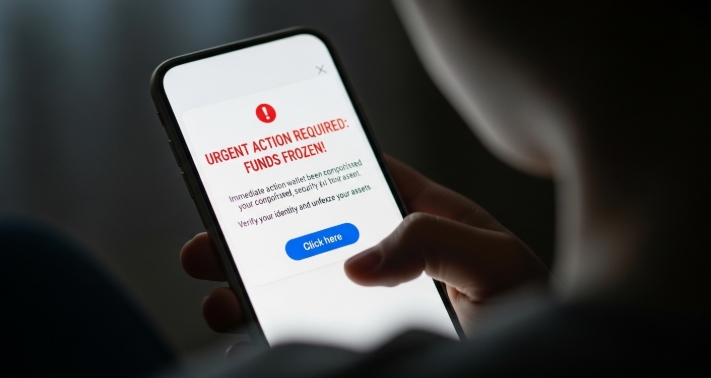
Crypto has made it easier than ever to move money, invest, and even pay for things globally. But alongside that growth, fake crypto exchanges have quietly become one of the most common traps, especially for new users trying to get started.
If you’ve ever seen an exchange offering “guaranteed profits” or insanely low fees, you’ve already brushed past one.
This article breaks down how these scams work, how to spot them early, and what you can actually do to protect yourself, without overcomplicating things.
- How to Identify and Avoid Fake Crypto Exchanges
- Why Fake Crypto Exchanges Are Everywhere
- What a Fake Crypto Exchange Typically Looks Like
- How to Verify if a Crypto Exchange Is Legit
- Common Tricks Used by Fake Exchanges
- Practical Ways to Protect Yourself
- Real-World Scenario: How People Get Trapped
- Where Bycard Fits Into the Picture
Why Fake Crypto Exchanges Are Everywhere
Fake exchanges exist for one simple reason: they work.
Unlike traditional banking, crypto transactions are irreversible. Once you send funds, there’s no customer service line that can reverse it. Scammers take advantage of that.
Low Barrier to Entry
Setting up a fake exchange site is easier than most people think. A convincing website, a copied UI, and some paid ads are often enough to attract victims.
New Users Entering Daily
Crypto is still growing fast. Every day, new users sign up without knowing what a legitimate platform should look like.
Trust Exploitation
Scammers often impersonate real brands, influencers, or even customer support agents to gain trust quickly.
What a Fake Crypto Exchange Typically Looks Like
Not all scams are obvious. Some are polished enough to fool experienced users.
“Too Good to Be True” Offers
If an exchange promises:
- Guaranteed returns
- Zero risk trading
- Extremely low or no fees
That’s a major red flag. Crypto markets don’t work like that.
Withdrawal Restrictions
One of the biggest warning signs:
- You can deposit easily
- But withdrawals are delayed, blocked, or require “extra fees”
This is how many fake exchanges trap funds.
Fake Trading Activity
Some platforms simulate:
- Fake price charts
- Artificial profits
- Non-existent trading volume
It creates the illusion that your investment is growing when it isn’t.
How to Verify if a Crypto Exchange Is Legit
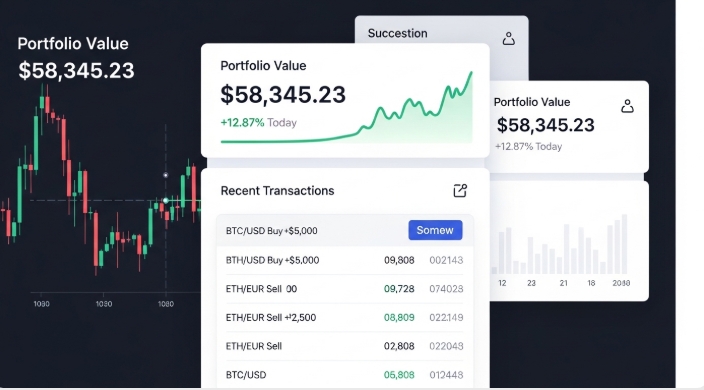
Before you sign up or deposit anything, take a few minutes to check these:
Check Regulatory Status
Legit exchanges usually operate under some form of regulation depending on the region.
- Look for licensing information
- Cross-check it on official regulatory websites
- If you can’t verify it, assume it’s risky
Research Online Reputation
Search beyond the exchange’s website:
- Reddit threads
- Twitter complaints
- Independent review sites
If multiple users mention withdrawal issues, take it seriously.
Domain and Website Checks
Scam sites often:
- Use slightly misspelled domain names
- Copy designs from real exchanges
- Have recently registered domains
A quick domain lookup can reveal how long the site has existed.
Test Small Transactions First
Never start with a large deposit.
- Deposit a small amount
- Attempt a withdrawal
- Confirm the process works smoothly
If anything feels off, stop immediately.
Common Tricks Used by Fake Exchanges
Fake crypto exchanges don’t rely on luck, they follow patterns that are designed to build trust quickly and delay suspicion for as long as possible. Once you understand these tactics, it becomes much easier to recognize when something isn’t right.
Most scams aren’t obvious at the start. They often feel smooth, convincing, and even profitable in the early stages. The goal is to keep you engaged long enough to deposit more money before any red flags become
Social Media and WhatsApp Groups
Scammers often create:
- Investment groups
- “Signal” communities
- Fake success stories
They build trust first, then introduce the exchange.
Fake Customer Support
You might encounter:
- Fast responses at first
- Then sudden silence when you request withdrawals
Or worse, they ask for more payments to “unlock” your funds.
Pressure Tactics
They may say:
- “Limited-time opportunity”
- “Act now or miss out”
Real exchanges don’t pressure you to deposit money quickly.
Practical Ways to Protect Yourself
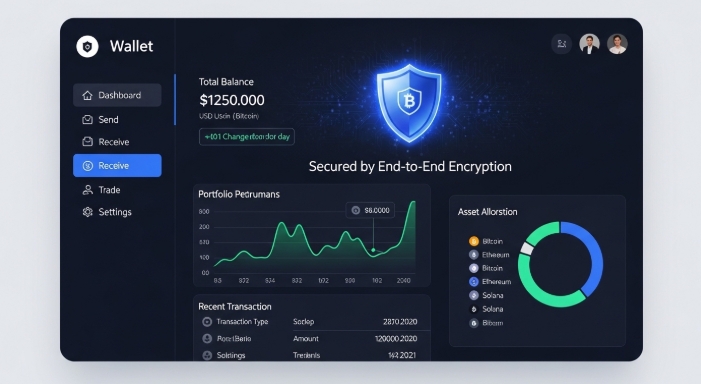
This is where most people get it wrong. They rely on instinct, vibes, or what others are saying online instead of following a clear process. In crypto, that approach can cost you money quickly.
Protecting yourself isn’t about being overly cautious, it’s about being consistent with a few key habits every time you interact with an exchange.
Stick to Known Exchanges
While new platforms can be legitimate, many fake exchanges take advantage of users chasing new opportunities. That’s why sticking to well-known exchanges reduces risk.
Established platforms have a visible track record. They’ve handled large transactions, faced public scrutiny, and built trust over time. You can find real user experiences about them across multiple sources, not just promotional content.
If an exchange is new or unfamiliar, treat it with caution. Start with a small amount, test withdrawals early, and avoid leaving funds there for long. Also, be careful with links, some scam sites clone real exchanges using slightly different URLs.
Choosing platforms that are widely recognized won’t eliminate risk completely, but it makes it much easier to spot red flags before it’s too late.
Separate Storage from Spending
Avoid keeping all your crypto on exchanges.
- Use wallets for storage
- Use exchanges only for transactions
And when it comes to actually spending crypto, solutions like Bycard allow you to use your assets without exposing them to unknown platforms.
Enable Security Features
Always activate:
- Two-factor authentication (2FA)
- Email alerts
- Withdrawal confirmations
These won’t stop scams entirely but add a strong layer of protection.
Don’t Trust Screenshots or Proof of Earnings
Fake exchanges rely heavily on:
- Edited screenshots
- Paid testimonials
If you can’t independently verify it, ignore it.
Real-World Scenario: How People Get Trapped
It often starts casually.
You join a Telegram or WhatsApp group where people are discussing crypto. Someone shares consistent “wins” and introduces a platform. You try it with a small amount, it grows quickly.
Encouraged, you deposit more.
Then:
- Withdrawals get delayed
- You’re asked to pay a “processing fee”
- Support becomes unresponsive
At that point, the funds are already gone.
Where Bycard Fits Into the Picture
One of the biggest risks with fake exchanges is keeping your funds in the wrong place.
Instead of leaving assets sitting on unknown platforms, tools like Bycard help you:
- Spend crypto directly
- Avoid unnecessary transfers
- Reduce exposure to risky exchanges
It doesn’t eliminate scams, but it reduces how often you need to trust unfamiliar platforms.
Conclusion
Fake crypto exchanges aren’t always easy to spot. In many cases, they look just as polished and convincing as legitimate platforms, which is exactly why people fall for them. The real difference often comes down to how much time you take to verify before trusting a platform with your money.
Rushing into deposits, especially when there’s pressure or the promise of quick returns, is where most mistakes happen. Taking a step back to research, test small transactions, and question anything that feels off can make a significant difference.
Crypto gives you a lot of control, but that control comes with responsibility. The more intentional you are about where and how you use exchanges, the less likely you are to run into problems that can’t be reversed.

CATEGORIES

轻松完成账单支付的 Google Ads 支付方式指南现已上线
Wise vs Revolut? Comparing the Best Multi-Currency Card 2026

Wise Alternatives That Make Payment Faster and Currency Conversion Simple
Wire Transfer vs Bank Transfer – Swift Business Payments Now

Why Virtual Cards Matter in Digital Payments Now

Why Travel Rewards Credit Cards are Highly Important
