
 Log in
Coinbase Review: Its Role, Services, and Market Impact
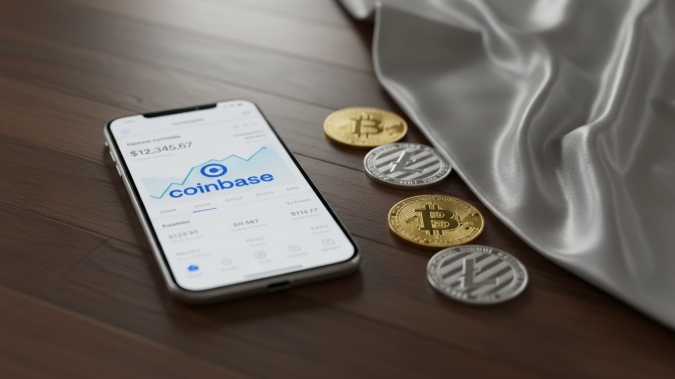
Crypto isn’t new anymore, but how people access and actually use it has changed a lot. What used to feel technical and restrictive is now more flexible, especially with platforms like Coinbase making it easier to buy and hold digital assets, and solutions like Bycard helping people spend them in real-world scenarios.
That combination, access plus usability, is what’s shaping crypto adoption today.
If you’ve ever bought or considered crypto, you’ve probably come across Coinbase. But beyond that first step, there’s a bigger question: what happens after you own crypto? That’s where newer tools like Bycard come in.
- Coinbase Review: Its Role, Services, and Market Impact
What Is Coinbase and Why It Matters in Crypto
Coinbase is a crypto exchange. At its core, it allows users to buy, sell, store, and manage cryptocurrencies like Bitcoin and Ethereum.
But that definition doesn’t fully capture its role.
Coinbase has positioned itself as the “entry point” into crypto, especially for beginners. While other platforms focus on advanced trading tools, Coinbase focused early on simplicity. That decision helped it onboard millions of first-time crypto users globally.
Why It Became Popular
There are a few clear reasons:
- Ease of use: The interface is clean and beginner-friendly
- Trust factor: It’s a publicly traded company, which adds transparency
- Regulatory alignment: It operates within strict compliance frameworks
- Accessibility: Available in many countries with local payment options
For someone new to crypto, those factors reduce friction significantly.
The Growing Demand for Crypto Platforms
The demand for crypto platforms like Coinbase isn’t random, it’s tied to broader financial trends.
1. Shift Toward Digital Assets
People are looking beyond traditional investments. Crypto offers an alternative that feels more flexible and, in some cases, more accessible.
2. Global Payments and Remittances
Cross-border payments are still a challenge in many regions. Crypto provides an alternative, but only partially solves the problem.
Owning crypto doesn’t automatically mean you can spend it easily.
3. Financial Independence
Users want more control over their money. Crypto wallets and exchanges give that sense of ownership.
Coinbase sits right at the intersection of these needs, which explains its steady growth. This is where platforms like Bycard start to play a more defined role, not as exchanges, but as payment enablers within the crypto ecosystem.
Coinbase’s Core Services
Coinbase isn’t just a place to buy crypto. Its ecosystem has expanded over time to serve different types of users.
Buying and Selling Crypto
This is the most basic feature. Users can purchase cryptocurrencies using bank transfers, cards, or other supported methods.
What stands out here is simplicity; transactions are straightforward, even for beginners.
Coinbase Wallet
This is a separate, non-custodial wallet. Unlike the main platform, users control their private keys.
Why that matters:
- More control over assets
- Access to decentralized apps (dApps)
- Better for advanced crypto use cases
Coinbase Advanced Trade
For users who want more control, this feature offers:
- Lower fees
- Real-time charts
- Order types like limit and stop orders
It’s Coinbase’s way of catering to both beginners and experienced traders.
Staking and Earning
Coinbase allows users to earn rewards by staking certain cryptocurrencies.
This has become increasingly popular because:
- It generates passive income
- It doesn’t require active trading
- It’s integrated into the platform
Coinbase for Businesses
Coinbase also provides tools for businesses, including:
- Crypto payment processing
- Custody solutions
- Institutional trading services
This expands its reach beyond individual users into enterprise-level crypto adoption.
Coinbase and Real-World Usability
One of the biggest shifts happening in crypto right now is the move from ownership to actual usage.
In the early days, most users were focused on buying and holding assets, hoping their value would increase over time. Platforms like Coinbase were built around that behavior, making it easy to enter the market, store assets securely, and track performance.
But that expectation is changing.
Today’s users are asking more practical questions:
- Can I use my crypto for everyday payments?
- How easily can I move funds across platforms or countries?
- What happens when I want to pay for services or subscriptions?
These questions highlight a gap between holding crypto and actually using it in real-world scenarios.
The Usability Gap in Crypto
Even with a platform like Coinbase, the journey from owning crypto to spending it can involve multiple steps:
- Converting crypto into fiat currency
- Transferring funds to a bank account
- Waiting for processing and settlement
- Attempting the final payment
Each step introduces friction, whether it’s delays, fees, or failed transactions. For users in regions with limited banking infrastructure or strict payment controls, this process can become even more complicated.
This is why usability has become a key area of focus across the crypto industry.
Coinbase’s Role in Bridging the Gap
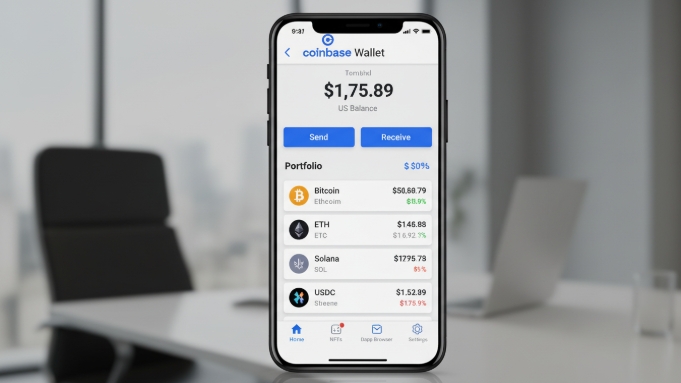
Coinbase has made some efforts to address this shift.
For example:
- It supports integrations that allow users to move funds more easily
- It provides tools that simplify conversions between crypto and fiat
- It continues to expand features that connect crypto with broader financial systems
However, its core strength still lies in access and asset management, rather than full-scale everyday spending.
Why This Shift Matters
The push toward usability is not just a feature upgrade, it’s a sign of market maturity.
As more people enter crypto, expectations naturally evolve:
- Beginners want simplicity
- Active users want flexibility
- Businesses want reliability
A platform that only supports buying and holding may no longer be enough for users who interact with money daily across different platforms and currencies.
What Users Should Consider
If you’re using Coinbase today, it works well for:
- Entering the crypto market
- Managing a portfolio
- Accessing a wide range of digital assets
But as your needs grow, it’s worth thinking about how you plan to:
- Move funds efficiently
- Handle recurring payments
- Manage cross-border transactions
These are the areas where the broader crypto ecosystem is still evolving, and where future innovation is likely to focus.
Ecosystem Growth: Beyond Just an Exchange
Coinbase has grown into more than a single product, it’s an ecosystem.
Developer Tools
It offers APIs and infrastructure that developers can use to build crypto applications.
This supports:
- Wallet integrations
- Payment solutions
- Blockchain-based apps
Institutional Services
Large investors and institutions now participate in crypto, and Coinbase has built services specifically for them.
This includes:
- Secure custody solutions
- Trading desks
- Compliance support
Web3 and On-Chain Expansion
Coinbase has also started moving into Web3, supporting decentralized applications and blockchain-based identity systems.
This signals a shift from just being a marketplace to becoming part of the broader crypto infrastructure.
Market Impact of Coinbase
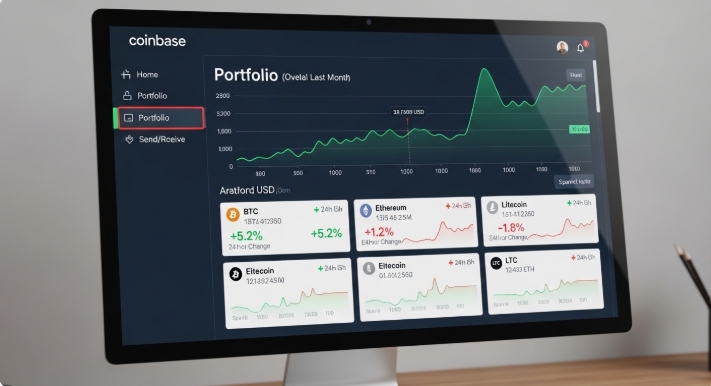
Coinbase’s influence goes beyond its own platform.
Driving Mainstream Adoption
By simplifying crypto, Coinbase helped bring it into the mainstream.
Many first-time investors started their crypto journey here, which had a ripple effect across the industry.
Setting Industry Standards
Because it operates under regulatory scrutiny, Coinbase has influenced how other platforms approach:
- Compliance
- Security
- Transparency
This has helped shape trust in the crypto space.
Market Liquidity and Pricing
As one of the largest exchanges, Coinbase contributes to:
- Price discovery
- Market liquidity
- Trading volume
Its listings can even influence the visibility and demand of certain cryptocurrencies.
Challenges and Limitations
No platform is perfect, and Coinbase has its downsides.
Fees
Coinbase is often criticized for higher fees compared to competitors, especially for basic transactions.
Limited Features for Advanced Users
While it has improved, some advanced traders still prefer platforms with deeper analytics and tools.
Regulatory Pressure
Operating within strict regulations can limit flexibility, especially in regions with unclear crypto policies.
Is Coinbase Still Relevant Today?
Yes, but for specific reasons.
Coinbase remains highly relevant because it solves a key problem: making crypto accessible.
While newer platforms may offer lower fees or more features, Coinbase continues to attract:
- Beginners entering crypto
- Institutions needing compliance
- Users prioritizing trust over complexity
Conclusion
Coinbase played a major role in making crypto accessible to everyday users, and that alone has shaped how millions of people first interact with digital assets today. It simplifies the process of buying, holding, and managing crypto, which is still a critical part of adoption.
But access is only one part of the equation. As more people move into crypto, the focus is shifting from simply owning assets to actually using them in practical ways. That transition, moving from wallets to real-world transactions, is where many users still face challenges.
This is where Bycard becomes increasingly relevant. It addresses the gap between holding crypto and being able to spend it seamlessly, whether for subscriptions, business expenses, or international payments.
Together, both platforms reflect how the crypto space is evolving. It’s no longer just about buying and storing digital assets, it’s about making them functional in everyday life, in a way that feels as straightforward as traditional payments.

CATEGORIES

轻松完成账单支付的 Google Ads 支付方式指南现已上线
Wise vs Revolut? Comparing the Best Multi-Currency Card 2026
Wise Alternatives That Make Payment Faster and Currency Conversion Simple

Wire Transfer vs Bank Transfer – Swift Business Payments Now

Why Virtual Cards Matter in Digital Payments Now

Why Travel Rewards Credit Cards are Highly Important
