
 Log in
Expense Management Software: Complete Guide to Smarter Business Spending Control
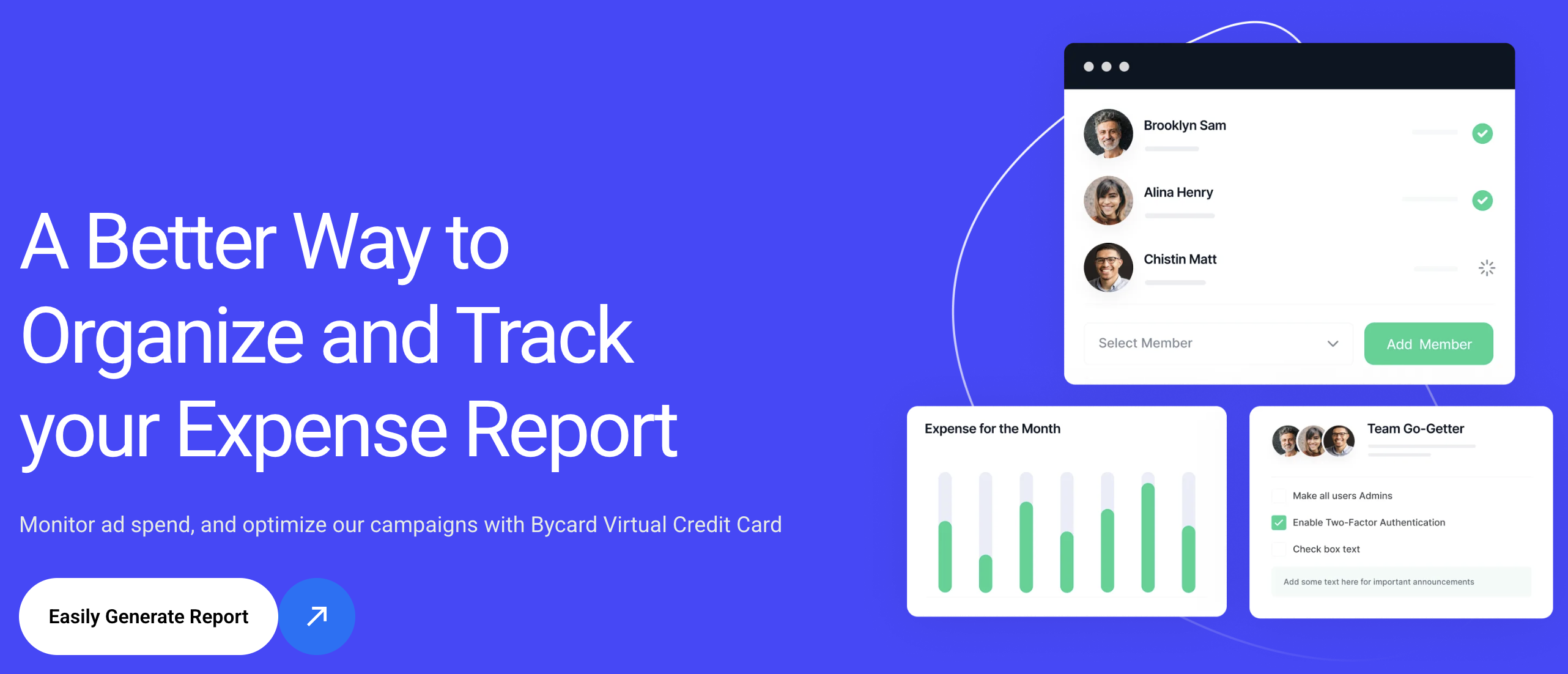
Managing business expenses should not require spreadsheets, manual reconciliations, or delayed reporting. Modern expense management software helps businesses automate expense tracking, improve financial visibility, control budgets, and reduce operational inefficiencies.
Whether you manage employee spending, advertising budgets, vendor payments, or departmental expenses, the right expense management software can streamline financial processes while providing real-time insights into company spending.
What Is Expense Management Software?
Expense management software is a digital solution that helps businesses track, categorise, approve, monitor, and report expenses while maintaining control over company spending. It automates expense reporting, provides real-time visibility into transactions, improves compliance, and helps finance teams make better spending decisions.
Businesses use expense management software to:
- Track expenses in real time
- Automate expense reports
- Manage employee spending
- Control budgets
- Monitor business expenses
- Improve financial reporting
- Reduce fraud and unauthorised spending
- Streamline accounting processes

Perfect Card for running ads!

Expense Management Cards
The Expense management cards have become one of the most effective tools for controlling business spending. Unlike traditional corporate cards, expense management cards provide businesses with enhanced controls, real-time tracking, and customisable spending limits.
What Are Expense Management Cards?
Expense management cards are physical or virtual payment cards linked directly to an expense management system. They enable businesses to monitor spending while automatically recording transaction data for reporting and reconciliation.
Key Benefits of Expense Management Cards
- Real-time transaction visibility
- Automated expense categorisation
- Budget enforcement
- Department-level spending controls
- Fraud prevention measures
- Faster reconciliation processes
How Expense Management Cards Improve Financial Control
By assigning dedicated cards to teams, departments, vendors, or campaigns, businesses can eliminate reimbursement delays and gain instant visibility into spending activity.
- Easy budgeting for monthly music expenses
- No dependency on primary bank card
Common Challenges Solved by Expense Management Cards
Many organisations struggle with:
- Lost receipts
- Unauthorised purchases
- Delayed reporting
- Budget overruns
- Manual expense approvals
NOTE
Expense management cards help eliminate these issues by connecting spending directly to automated expense management workflows.
Expense Management Software Comparison
Choosing the right Expense Management Software depends on your business needs, spending structure, reporting requirements, and financial controls. While many platforms offer expense tracking and reporting capabilities, they differ significantly in their approach to spend management, virtual cards, budgeting, and specialised use cases.
Feature | Bycard | Ramp | Expensify | Brex |
| Real-Time Expense Tracking | ✓ | ✓ | ✓ | ✓ |
| Virtual Cards | ✓ | ✓ | Limited | ✓ |
| Expense Reports | ✓ | ✓ | ✓ | ✓ |
| Business Expense Tracker | ✓ | ✓ | ✓ | ✓ |
| Spend Management Cards | ✓ | ✓ | Limited | ✓ |
| Expense Management Cards | ✓ | ✓ | Limited | ✓ |
| Budget Controls | ✓ | ✓ | Limited | ✓ |
| Department-Level Spending Controls | ✓ | ✓ | Limited | ✓ |
| Receipt Management | ✓ | ✓ | ✓ | ✓ |
| Approval Workflows | ✓ | ✓ | ✓ | ✓ |
| Vendor-Specific Card Controls | ✓ | ✓ | No | Limited |
| Campaign-Level Spend Tracking | ✓ | Limited | No | Limited |
| Advertising Spend Management | ✓ | No | No | Limited |
| Agency Payment Management | ✓ | No | No | Limited |
| Multi-Currency Support | ✓ | ✓ | ✓ | ✓ |
| Fraud Prevention Controls | ✓ | ✓ | Limited | ✓ |
| Audit Trails | ✓ | ✓ | ✓ | ✓ |
| Accounting Integrations | ✓ | ✓ | ✓ | ✓ |
| Reconciliation Support | ✓ | ✓ | ✓ | ✓ |
| Marketing Team Expense Controls | ✓ | No | No | Limited |
Spend Management Cards

As businesses grow, managing company-wide spending becomes increasingly complex. Spend management cards help organisations maintain oversight while empowering teams to make necessary purchases.
What Are Spend Management Cards?
Spend management cards are payment solutions designed to provide businesses with centralised control over organisational spending while supporting decentralised purchasing.
Features of Modern Spend Management Cards
- Dynamic spending limits
- Merchant category restrictions
- Real-time notifications
- Approval workflows
- Automated reconciliation
- Multi-user permissions
Spend Management Cards vs Traditional Corporate Cards
Traditional corporate cards often provide limited visibility into spending until statements arrive. In contrast, spend management cards offer real-time reporting and integrated financial controls.
Why Real-Time Spend Visibility Matters
Organisations that can monitor spending instantly are better positioned to:
- Prevent budget overruns
- Detect anomalies quickly
- Improve forecasting accuracy
- Optimise resource allocation
Business Expense Tracker
A business expense tracker enables organisations to monitor, categorise, and analyse company spending across multiple departments, projects, and business functions.
Core Functions of a Business Expense Tracker
An effective business expense tracker should include:
- Automated transaction tracking
- Receipt management
- Budget monitoring
- Custom reporting
- Audit trails
- Financial analytics
How Business Expense Tracking Supports Growth
As businesses scale, transaction volumes increase significantly. Automated expense tracking helps maintain operational efficiency while reducing administrative burdens.
Business Expense Tracker for Marketing Teams
One area often overlooked by competitors is marketing spend management.
Marketing teams frequently manage:
- Advertising budgets
- Agency payments
- Software subscriptions
- Campaign expenditures
- Media buying costs
A specialised business expense tracker provides granular visibility into campaign performance and spending efficiency.
Expense Reports
Expense reports remain one of the most critical components of financial management.
However, many businesses still rely on manual processes that create delays, inaccuracies, and compliance concerns.
What Are Expense Reports?
Expense reports are documents that record, categorise, and summarise business-related expenses for accounting, reimbursement, and compliance purposes.
Common Information Included in Expense Reports
Automated transaction tracking
- Delayed submissions
- Missing receipts
- Human error
- Approval bottlenecks
- Incomplete records
How Expense Management Software Automates Expense Reports
Modern expense management software automates:
- Data collection
- Receipt matching
- Categorization
- Approval routing
- Report generation
PRO TIP
As a result, finance teams spend less time processing expenses and more time analysing spending trends.
Common Challenges of Manual Expense Tracking
Many businesses continue to rely on spreadsheets and disconnected financial systems.
This creates several operational problems:
Lack of Real-Time Visibility
Finance teams cannot effectively manage spending when transaction data is delayed.
Higher Risk of Errors
Manual data entry increases the likelihood of:
- Duplicate expenses
- Misclassifications
- Reporting inaccuracies
Compliance Risks
Without automated controls, businesses may struggle to enforce spending policies consistently.
How Bycard Supports Modern Expense Management Software
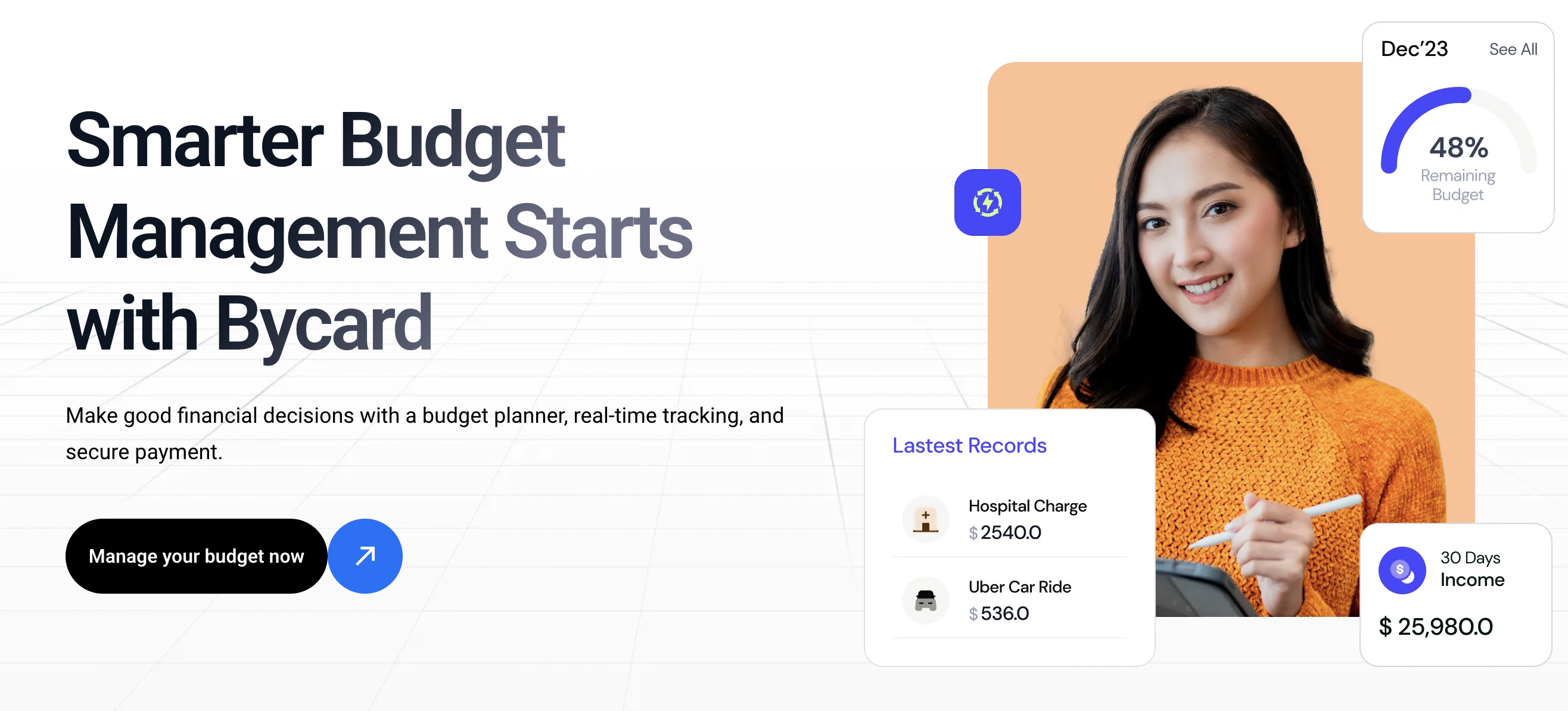
Businesses need more than expense tracking. They need proactive spending control.
Bycard combines virtual card technology with advanced expense management capabilities to help businesses manage spending more efficiently.
Real-Time Visibility
Bycard enables businesses to track transactions as they occur, reducing reporting delays and improving decision-making.
Organisations can issue virtual cards for:
Virtual Card Controls
- Departments
- Campaigns
- Vendors
- Teams
- Projects
This improves accountability and spending transparency.
Advertising and Marketing Spend Management
Unlike many competitors, Bycard provides unique advantages for businesses managing advertising and media budgets.
Key Features to Look for in Expense Management Software
When evaluating expense management software, businesses should prioritise:
Automated Expense Tracking
Automated transaction capture eliminates manual entry.
Receipt Management
Digital receipt storage improves compliance and audit readiness.
Approval Workflows
Custom approval paths accelerate expense processing.
Budget Controls
Real-time budget monitoring prevents overspending.
Fraud Prevention
Automated transaction capture eliminates manual entry.
Multi-User Permissions
Role-based access ensures proper financial governance.
Audit Trails
Comprehensive activity logs improve accountability and compliance.
The ROI of Expense Management Software
Organisations implementing expense management software often experience measurable improvements.
Reduced Administrative Costs
Automation significantly reduces manual processing time.
Improved Financial Accuracy
Automated systems minimise reporting errors.
Better Budget Control
Real-time visibility helps prevent unnecessary spending.
Faster Month-End Close Processes
Integrated expense data accelerates financial reporting.
Conclusion
In particular, using a virtual card for subscriptions helps eliminate unwanted renewals, reduce overspending, and separate personal banking details from digital services. As subscription-based platforms continue to grow, adopting a virtual prepaid card system becomes a practical solution for smarter budgeting and safer online payments.

CATEGORIES

轻松完成账单支付的 Google Ads 支付方式指南现已上线
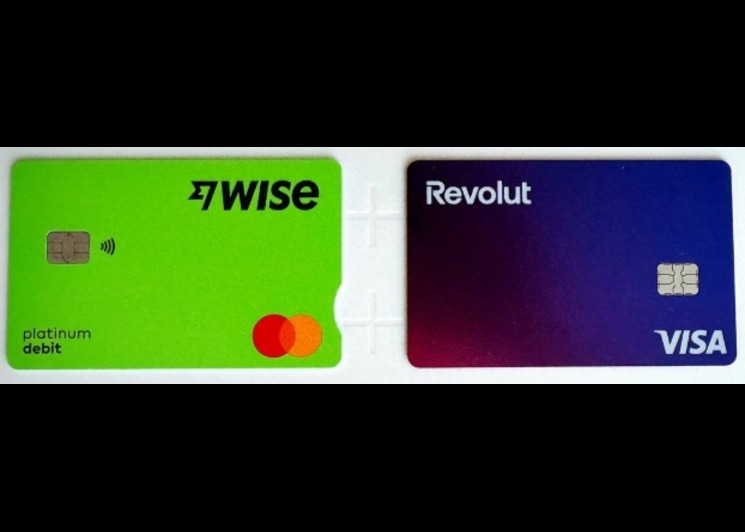
Wise vs Revolut? Comparing the Best Multi-Currency Card 2026

Wise Alternatives That Make Payment Faster and Currency Conversion Simple

Wire Transfer vs Bank Transfer – Swift Business Payments Now

Why Virtual Cards Matter in Digital Payments Now

Why Travel Rewards Credit Cards are Highly Important
