
 Log in
Virtual Cards Consumer Adoption: Statistics, Trends & Future Outlook (2026)
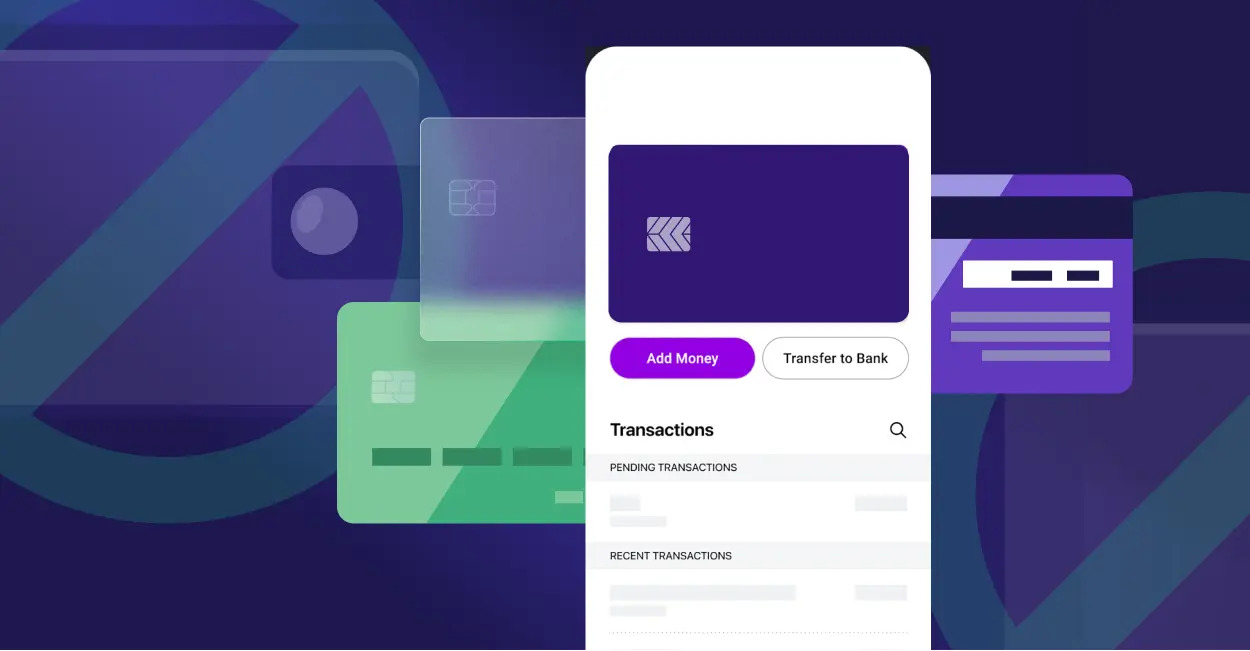
In 2026, Virtual Cards Consumer Adoption refers to the increasing use of digitally generated payment cards by consumers and businesses for secure online and business-to-business (B2B) transactions. Growth is fueled by stronger fraud protection, better expense management, and wider acceptance by merchants and financial institutions.
Virtual cards are rapidly becoming a preferred payment method for consumers and businesses due to their enhanced security, convenience, and spending controls. As digital payments continue to grow, Virtual Cards Consumer Adoption is being driven by increasing concerns about fraud, the rise of eCommerce, embedded finance, and the demand for real-time payment solutions.
However, businesses that understand the factors influencing adoption—and implement the right strategies—are better positioned to improve payment efficiency and customer trust.
In this article
- Virtual Cards Consumer Adoption: Statistics, Trends & Future Outlook (2026)
- What Are Virtual Cards?
- Consumer Adoption Statistics
- Industries Driving Growth
- Best Practices For Merchants Adopting Virtual Card B2B Payments
- Mastercard Virtual Cards Adoption For SMES
- Reasons For Virtual Card Adoption In Businesses
- Virtual Cards vs Physical Cards
- How Bycard Supports Virtual Card Adoption
- Future Outlook
What Are Virtual Cards?
Virtual cards are digital payment cards that generate unique card numbers for individual purchases or recurring payments. Unlike physical cards, they reduce the risk of card theft while giving users greater control over spending limits, expiration dates, and merchant restrictions.
Why Adoption Is Accelerating
- Increased online shopping
- Higher demand for secure payments
- Improved fraud prevention
- Greater mobile wallet integration
- Better expense management for businesses
Consumer Adoption Statistics
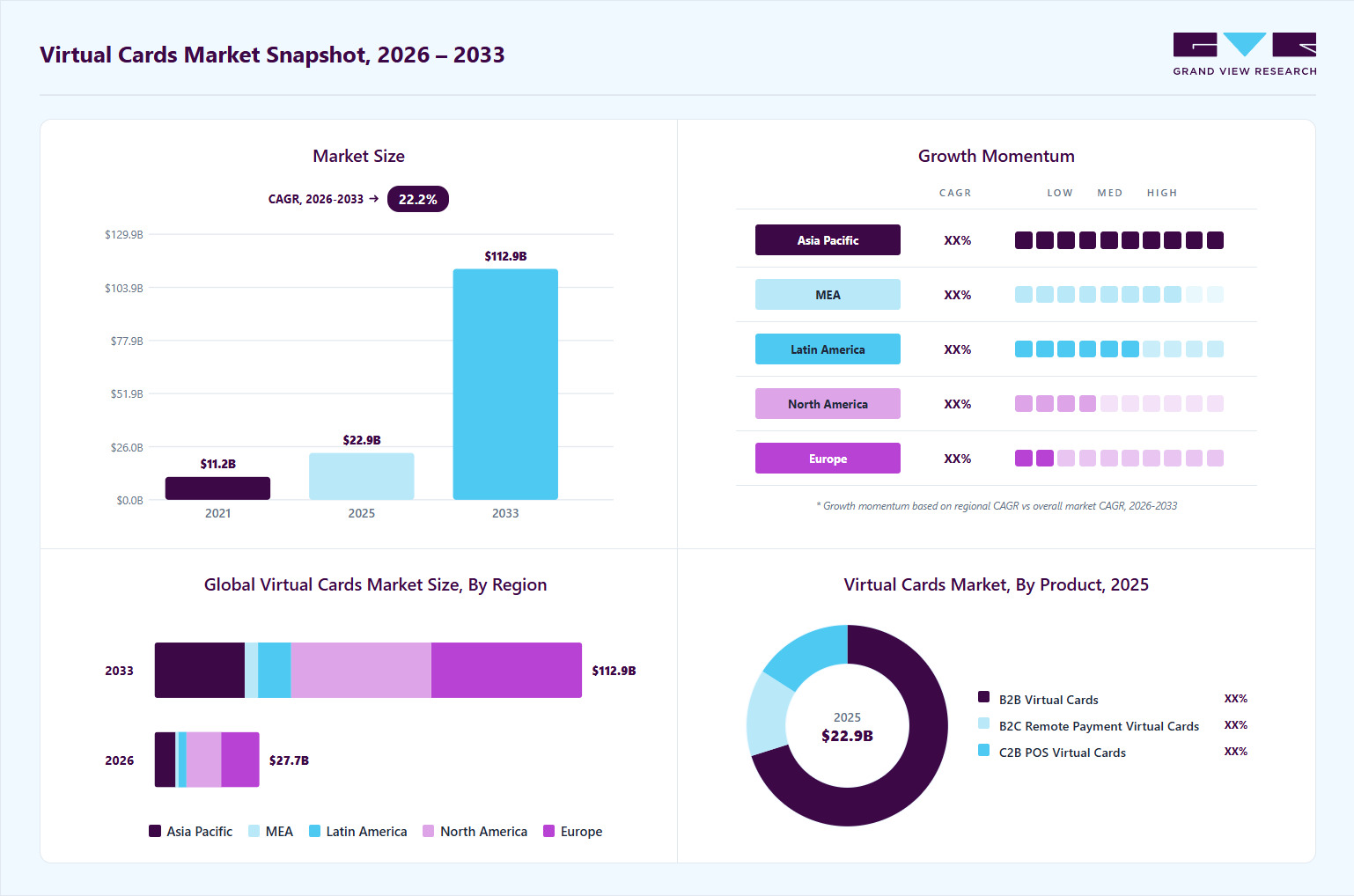
Recent market trends show that virtual card usage continues to rise across retail, travel, subscriptions, and business payments. Younger consumers, remote workers, and digitally focused businesses are leading adoption because they prioritise security, flexibility, and convenience.
Industries Driving Growth
- eCommerce
- Travel
- SaaS subscriptions
- Advertising platforms
- Procurement
- Enterprise purchasing

Perfect Card for running ads!
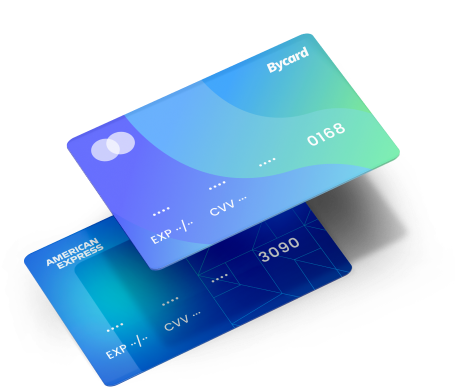
Best Practices For Merchants Adopting Virtual Card B2B Payments
Merchants can improve virtual card acceptance by focusing on both customer experience and payment infrastructure.
Recommended Implementation Steps
Does Amex Have Virtual Cards?
Ensure payment gateways support virtual card processing without additional friction.
Improve Security Controls
Use tokenisation, PCI compliance, and fraud monitoring to build customer confidence.
Simplify Reconciliation
Automate invoice matching and payment reporting to reduce administrative work.
Educate Customers
Provide clear guidance on how virtual card payments work and their security benefits.
Mastercard Virtual Cards Adoption For SMES

Small and medium-sized enterprises are increasingly adopting Mastercard virtual cards to improve cash flow, control employee spending, and simplify supplier payments.
Benefits for SMEs
- Better expense visibility
- Reduced fraud exposure
- Faster supplier payments
- Spending limits by employee or department
- Easier accounting integration
Why SMEs Are Adopting Faster
Growing digital operations, remote teams, and international purchasing have increased demand for secure, flexible payment methods that scale with business growth.
Reasons For Virtual Card Adoption In Businesses
Businesses are adopting virtual cards because they deliver measurable operational and financial benefits.
- Stronger payment security
- Lower fraud losses
- Better cash flow management
- Automated expense tracking
- Faster procurement cycles
- Improved supplier relationships
Does Amex Have Virtual Cards?
Cross-Border Payments
Virtual cards simplify international supplier transactions while reducing currency and fraud risks.
AI-Driven Fraud Detection
Businesses increasingly combine virtual cards with AI-powered monitoring to identify suspicious transactions in real time.
Consumer Trust
Organisations that communicate their use of secure payment technologies often strengthen customer confidence and brand reputation.
Virtual Cards vs Physical Cards
| Virtual Cards | Physical Cards | Bycard |
Dynamic card numbers | Fixed card number | ✓ |
| Lower fraud risk | Higher fraud exposure | ✓ |
| Instant issuance | Physical delivery required | ✓ |
| Spending controls | Limited controls | ✓ |
| Easier online payments | Less flexible for digital-first use | ✓ |
How Bycard Supports Virtual Card Adoption
As businesses expand their use of virtual cards, choosing the right payment platform becomes increasingly important. Bycard helps organisations streamline virtual card management with secure payment solutions designed for advertising spend, procurement, subscriptions, and operational expenses.
Future Outlook
NOTE
Virtual card adoption is expected to continue growing as digital commerce expands, fraud prevention technologies improve, and businesses automate payment workflows. Organisations that embrace virtual cards early will likely benefit from greater operational efficiency, improved security, and stronger customer trust.
Conclusion
Organisations that embrace virtual cards early will likely benefit from greater operational efficiency, improved security, and stronger customer trust.

CATEGORIES

轻松完成账单支付的 Google Ads 支付方式指南现已上线
Wise vs Revolut? Comparing the Best Multi-Currency Card 2026

Wise Alternatives That Make Payment Faster and Currency Conversion Simple

Wire Transfer vs Bank Transfer – Swift Business Payments Now

Why Virtual Cards Matter in Digital Payments Now

Why Travel Rewards Credit Cards are Highly Important
