
 Log in
Virtual Wallet: How It Works, Benefits and Uses
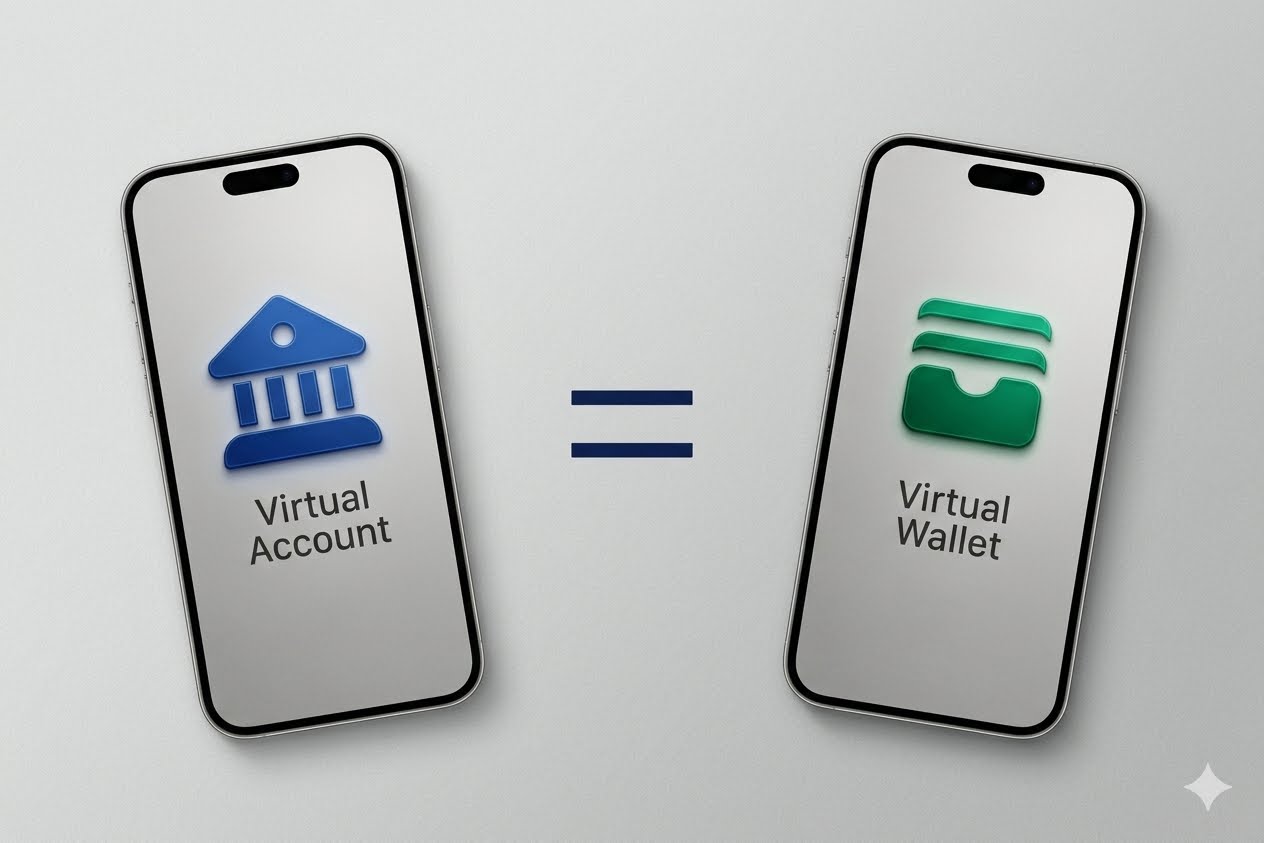
A virtual wallet is a digital way to manage payment information, funds and, depending on the provider, virtual cards without relying on a physical wallet. It can make online payments easier while providing features such as spending controls, transaction management and digital payment access.
What is a virtual wallet?
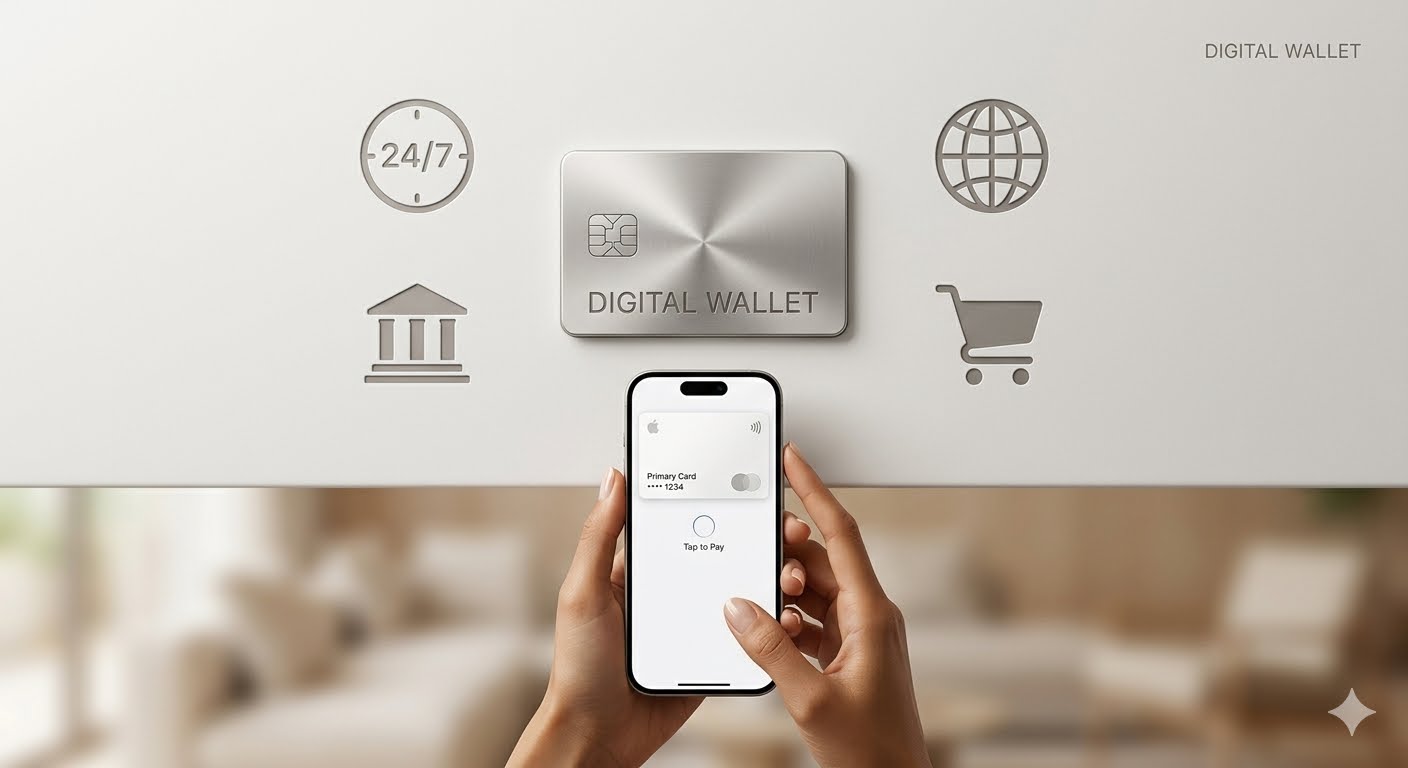
A virtual wallet is a digital payment account or application that lets you securely store payment information, manage funds and make online or electronic payments without carrying a physical wallet. Depending on the provider, a virtual wallet may support virtual cards, bank transfers, multiple currencies, spending controls and other digital payment methods.
A virtual wallet is a digital payment solution that can store payment information, manage funds and support electronic transactions without requiring a physical wallet.
How a Virtual Wallet Works
- Create an account with a supported wallet provider.
- Fund or connect a payment method where required.
- Add or create a virtual card if the service supports one.
- Make a digital payment through an eligible merchant or payment channel.
- Monitor transactions and manage available security or spending controls.
What You Can Use a Virtual Wallet For
A virtual wallet may be useful for:
- Online shopping
- Subscription payments
- Business expenses
- Digital services
- International transactions
- Virtual-card payments
- Managing spending
NOTE
The exact functionality depends on the provider, account type and applicable restrictions.
Virtual Wallet Security
Security is an important consideration because digital wallets can reduce the need to expose physical payment credentials during transactions.
Tokenization and Transaction Protection
Many modern digital-payment systems use tokenization, which replaces sensitive card information with a token during supported transactions. Additional controls can include authentication, spending limits, transaction monitoring and card-management features.
Therefore, users should compare the provider’s actual security controls rather than assuming every virtual wallet offers identical protection.
PNC Bank Virtual Wallet
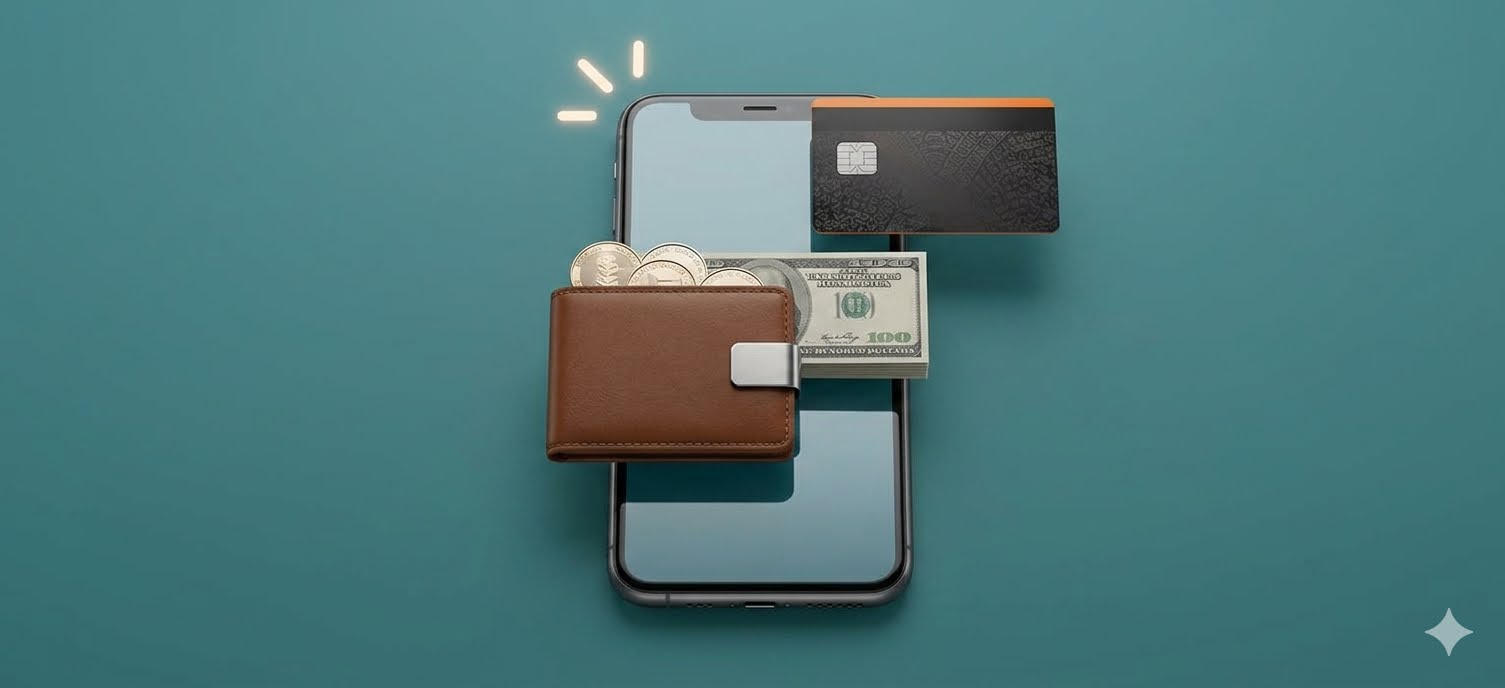
PNC Bank Virtual Wallet is a banking product designed to help customers manage money through digital banking tools. It demonstrates how a virtual wallet can combine money-management functionality with everyday banking.
However, a virtual wallet does not always mean the same thing as a traditional bank account. Therefore, users should check whether a particular wallet supports card payments, transfers, multiple currencies, virtual cards or other features they need.
What to Compare in a Virtual Wallet
When comparing providers, consider:
- Available payment methods
- Funding options
- Transfer capabilities
- Virtual card availability
- Currency support
- Fees and transaction limits
- Security controls
- Geographic availability
Credit Card Virtual Wallet
A credit card virtual wallet can refer to a digital wallet that stores or connects credit-card payment credentials for electronic transactions. Instead of repeatedly entering physical card details, users can access supported payment credentials digitally.
How Credit Card Payments Work Digitally
First, the card is added to a supported wallet. Then, the wallet can use secure payment credentials when an eligible transaction is made. Consequently, users can pay without necessarily exposing the physical card details to every merchant.

Perfect Card for running ads!
Credit Card Wallet
A credit card wallet provides a convenient way to organize and use credit-card payment information digitally.
However, a credit card wallet and a virtual card are not necessarily the same. A wallet is generally the environment used to manage payment credentials, while a virtual card is a digital card number that can be used for eligible transactions.
Credit Card Wallet vs Virtual Card
| Feature | Credit Card Wallet | Virtual Card |
| Stores payment credentials | Yes, depending on provider | Not its primary function |
| Represents a card | Can contain cards | Yes |
| Physical card required | Not always | No |
| Online payments | Often | Yes, where accepted |
| Spending controls | Provider dependent | Provider dependent |
Mobile Digital Wallet
A mobile digital wallet allows users to access payment credentials through a smartphone or other compatible device. Depending on the provider, it may support cards, payments, tickets, identification or other digital items.
PRO TIP
The terms mobile wallet, digital wallet and virtual wallet are sometimes used interchangeably. However, their functionality can differ by provider.
Virtual Wallet vs Mobile Digital Wallet
A virtual wallet focuses on digitally managing payment or financial information, while a mobile digital wallet emphasizes access through a mobile device. Therefore, users should evaluate the actual features rather than rely only on terminology.
Virtual Wallet by Bycard
Bycard brings the virtual wallet concept together with virtual cards and digital payment functionality. Its offering can be positioned around users who want to manage digital payments while using virtual cards for online transactions.
Why Use Bycard for a Virtual Wallet?
Depending on the applicable product and account requirements, Bycard’s ecosystem can connect virtual-card functionality with digital payment use cases such as online shopping, subscriptions, business spending and other online transactions.
The key distinction is that the virtual wallet is the broader digital payment environment, while a virtual card can function as one of the payment instruments within that environment.
Conclusion
A virtual wallet provides a convenient way to manage digital payments, while virtual cards can add flexibility and spending control. The right option ultimately depends on the wallet’s features, security, fees and intended use.

CATEGORIES

轻松完成账单支付的 Google Ads 支付方式指南现已上线
Wise vs Revolut? Comparing the Best Multi-Currency Card 2026

Wise Alternatives That Make Payment Faster and Currency Conversion Simple

Wire Transfer vs Bank Transfer – Swift Business Payments Now

Why Virtual Cards Matter in Digital Payments Now

Why Travel Rewards Credit Cards are Highly Important
