
 Log in
How to Manage API Payments with Virtual Cards
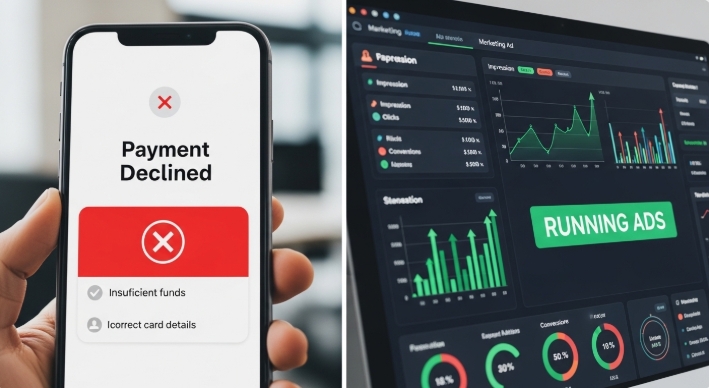
If you’ve ever had an API key get flagged, a payment fail mid-campaign, or a subscription charge hit the wrong account, you already know how messy API payments can get. And honestly, most of that chaos is avoidable.
The fix isn’t complicated. It starts with how you’re structuring your payment infrastructure, and specifically, whether or not virtual cards are part of that setup. Platforms like Bycard were built exactly for this: giving businesses instant, controlled virtual cards that keep API-driven payments organized, isolated, and running without interruption.
This article breaks down what API payments actually involve, where they tend to break down, and how virtual cards solve the problems that businesses run into most often.
- How to Manage API Payments with Virtual Cards
What Are API Payments, Really?
API payments are automated transactions that happen when one system talks to another using an application programming interface. Think of it like a middleman that handles billing in the background, no human clicking “pay now” every time.
They’re everywhere. Subscription software, ad platforms, cloud infrastructure, SaaS tools, pretty much any recurring or automated billing scenario runs on some version of API payments.
Here’s a quick look at where they show up most:
| Use Case | How API Payments Work |
| Ad Platform Billing | Google Ads, Meta, TikTok auto-charge a card on spend |
| SaaS Subscriptions | Software tools bill monthly via stored payment method |
| Cloud Infrastructure | AWS, GCP charge dynamically based on usage |
| Marketplace Payouts | Platforms pay vendors automatically |
| eCommerce Checkout | Payment processors handle customer transactions |
The Common Problems with API Payment Management
Let’s be honest, most businesses don’t think about payment infrastructure until something goes wrong. Here’s what “going wrong” actually looks like:
Payment Failures That Kill Campaigns Mid-Flight
If you’re running paid ads across multiple platforms and a charge gets declined, your campaigns pause. Instantly. And by the time you notice, you’ve already lost impressions, conversions, and budget momentum. Ad platforms like Google, Meta, and TikTok don’t wait around.
Fraud Flags from Shared Cards
When one card gets shared across multiple platforms, teams, or departments, unusual activity on one platform can trigger a fraud flag that affects everything. Your whole payment infrastructure suddenly becomes one point of failure.
No Spending Visibility
Real-time budget tracking is nearly impossible when multiple tools and platforms are pulling from the same payment method. By the time finance reconciles everything, the money is already gone, and the report takes days to pull together.
Subscription Creep
API payments are silent. Tools auto-renew. Services get charged. Nobody reviews it. Over time, businesses end up paying for things they haven’t used in months.
Why Virtual Cards Are Built for This
A virtual card is a digital payment card with its own card number, expiration date, and CVV, but tied to your main account or wallet. The key difference? You control everything about it.
You decide:
- The spending limit
- What it can be used for
- When it can be used
- Whether it’s active or locked
For API payment management, this level of control is genuinely useful, not just a nice-to-have.
One Card Per Platform, Per Purpose
The cleanest way to manage API payments is to issue a separate virtual card for each platform or vendor. Google Ads gets its own card. TikTok gets its own card. Your SaaS tools get their own cards.
This does a few things at once. If one card fails or gets flagged, the rest of your infrastructure keeps running. You also get clean, isolated spend data per channel, which makes reporting and reconciliation much easier.
Spending Limits That Actually Work
Most virtual card providers let you set hard limits on each card. So instead of hoping someone doesn’t overspend, you cap it at the amount you’ve budgeted. When the limit hits, the card declines. No overruns, no surprises.
How Bycard Fits Into This
Bycard is a virtual card platform built specifically for the kind of payment management scenarios we’ve been talking about. It’s particularly well-suited for media buying, advertising, and businesses that operate across multiple spend categories simultaneously.
Here’s what makes it relevant:
Instant Card Issuance
Bycard issues cards in about three minutes. For businesses managing live ad campaigns or time-sensitive purchases, speed matters. You’re not waiting days for approval or physical delivery.c
30+ Trusted BINs, Visa and Mastercard
BIN stands for Bank Identification Number; it’s the first six digits of your card that identify the issuing institution. More BIN options mean more flexibility when specific platforms require specific card types. Bycard offers 30+ trusted BINs across both Visa and Mastercard networks, which reduces the chance of cards being declined based on BIN restrictions.
Crypto Top-Up Support
Bycard supports funding via USDT and wire transfer. For teams that operate with crypto budgets or want to convert holdings into usable card balances, this removes a friction point that most traditional card providers don’t address.
Dedicated Cards for Ad Platforms
Bycard has specific solutions built for advertising spend. You can get dedicated virtual cards for:
- Facebook/Meta Ads
- Google Ads
- TikTok Ads
- LinkedIn Ads
- Snapchat,
This isn’t just about issuance, it’s about having cards that are optimized to work reliably with each platform’s billing infrastructure.
Budget Management and Reconciliation Tools
Beyond just issuing cards, Bycard includes built-in budget tracking, expense reporting, and reconciliation features. So instead of exporting CSVs from five different platforms and trying to stitch them together in a spreadsheet, you can pull it from one place.
For finance teams, that’s not a minor convenience; it’s a significant reduction in manual work.
No Hidden Fees
Bycard is straightforward about pricing. No surprise charges, no conversion fees layered in. For businesses managing spend across multiple currencies and markets, that transparency matters.
A Practical Setup for Managing API Payments with Virtual Cards
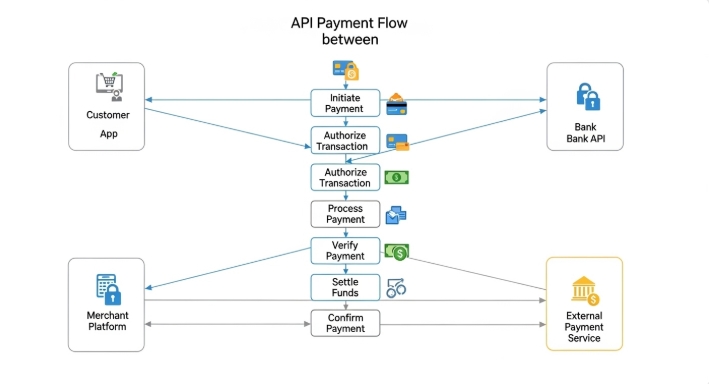
Here’s how a clean virtual card system for API payments actually looks in practice:
Step 1: Audit your current payment methods
List every platform, tool, and subscription that auto-charges. Most businesses find they’re using 2-3 cards for everything.
Step 2: Categorise by risk and volume.
High-spend platforms (ad accounts) and high-risk platforms (new vendors, test campaigns) should get dedicated cards immediately.
Step 3: Assign limits by budget, not by trust
Every card gets a spending cap that reflects the actual budget, not an open line. This makes it structurally impossible to overspend.
Step 4: Set up monthly review cycles.
Virtual cards make this easy. Pull the spend per card, match it to your budget plan, and flag anything that looks out of range.
Step 5: Lock or delete cards that aren’t in use.
Inactive virtual cards are a liability. If you’re not using a subscription, kill the card. No need for cancellation calls or support tickets.
What to Look for in a Virtual Card Provider
Not all virtual card providers are built the same. Here are the things worth comparing before you commit:
| Feature | Why It Matters |
| Card issuance speed | Slow issuance creates bottlenecks for time-sensitive campaigns |
| BIN variety | More BINs = fewer platform-specific declines |
| Spending controls | Limits and locks should be easy to set and adjust |
| Funding options | Crypto + wire flexibility helps diverse finance setups |
| Expense reporting | Built-in reporting saves reconciliation time |
| Platform acceptance | Cards need to work where you’re actually spending |
| Regulatory compliance | Look for MSB registration (Bycard is FinCEN-registered in the US) |
The Bottom Line
API payments are only going to become more central to how businesses operate. More automation, more platforms, more subscriptions, all of it runs on card infrastructure that most companies haven’t bothered to optimise.
Virtual cards are the practical fix. They bring structure to payment management that shared cards simply can’t provide: isolated spending, real-time visibility, fraud protection by design, and reconciliation that doesn’t take a full day.
If you’re running ad campaigns across multiple platforms or managing recurring API-based billing at any meaningful scale, it’s worth taking a hard look at how your payment infrastructure is actually set up and whether it’s working for you or against you.
Conclusion
Messy payment infrastructure doesn’t fix itself. Every shared card, every uncapped spend limit, and every unreviewed subscription is a risk sitting quietly in the background until it isn’t.
The businesses that manage API payments well aren’t doing anything extraordinary. They’ve just put a system in place: one card per platform, clear spending limits, real-time visibility, and a provider they can rely on when things move fast.
Bycard makes that system easy to build. From instant card issuance to dedicated virtual cards for every major ad platform, crypto top-up support, and built-in reconciliation tools, it’s designed for exactly the kind of multi-platform, high-volume payment management this article has been about.

CATEGORIES
Wise or Revolut? Comparing the Best Multi-Currency Card

Wise Alternatives That Make Payment Faster and Currency Conversion Simple

Wire Transfer vs Bank Transfer for Better & Swift Business Payments

Why Travel Rewards Credit Cards are Highly Important
Why the Ramp Card Might Be the Best Business Card

Why Sales and Discounts Make You Overspend
