
 Log in
What Is the Debit Card CVV?
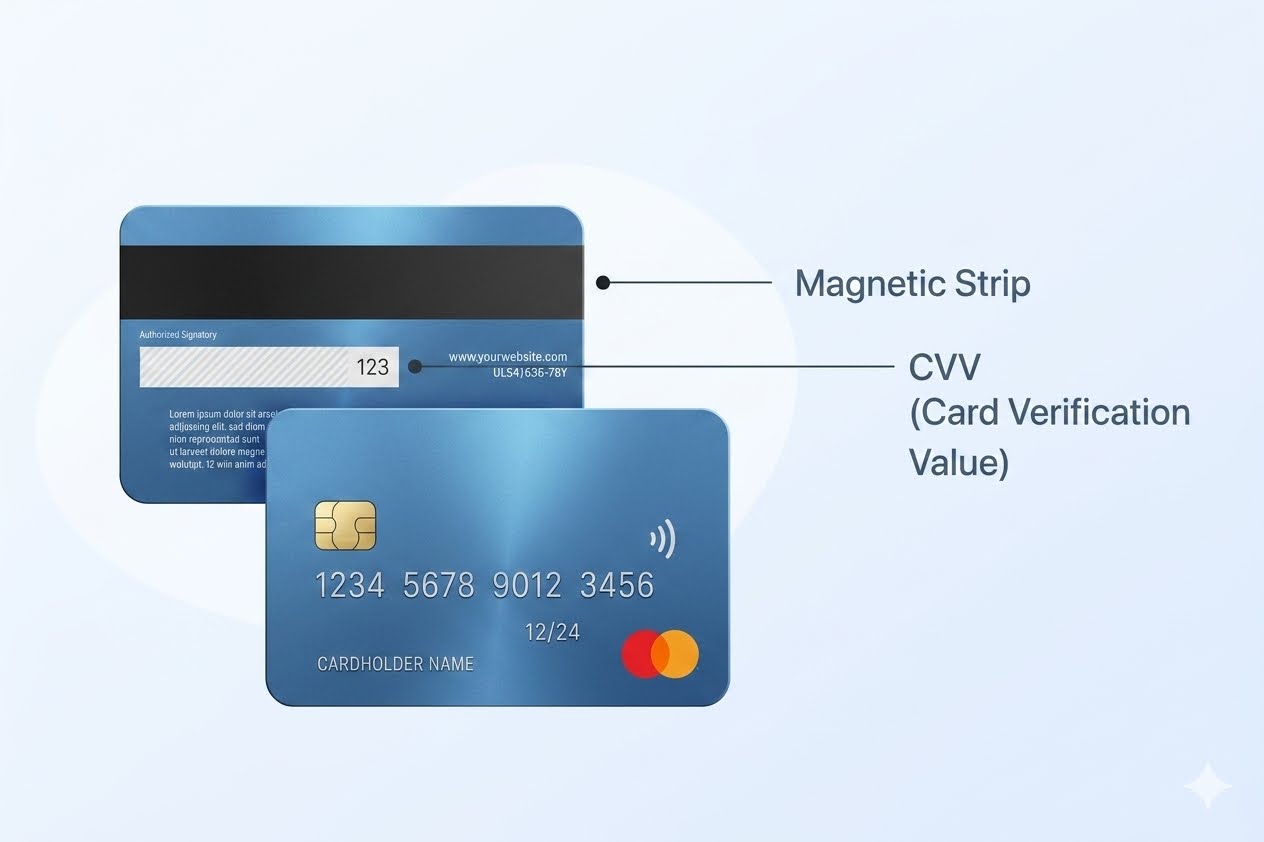
A Debit card CVV (Card Verification Value) is a three-digit security code printed on the back of most Visa and Mastercard debit cards (or four digits on the front of American Express cards). It helps verify that the person making an online or phone purchase has the physical card, reducing fraud during card-not-present transactions.
The debit card CVV is one of the most important security features on your payment card. While your debit card number identifies your account, the CVV provides an additional layer of protection by helping merchants confirm that the card is in your possession. As online shopping continues to grow, understanding how the CVV works can help you make safer digital payments and protect your financial information.
How to Use Debit Card for Online Payment
On how to use your debit card online is simple, but entering the correct payment details is essential for a successful and secure transaction.
Steps to Complete an Online Payment
- Enter your debit card number.
- Input the cardholder’s name.
- Select the expiration date.
- Enter the debit card CVV.
- Complete any required bank authentication, such as a one-time password (OTP).
Why Merchants Request Your CVV
The CVV helps verify that you have the physical card when making an online purchase. Unlike the card number, the CVV is not stored after payment processing by compliant merchants, making it an important fraud prevention measure.
Debit Card CVV vs PIN
- CVV: Used mainly for online and phone payments.
- PIN: Used to authorise ATM withdrawals and in-person purchases.
These two security features serve different purposes and should never be confused.
Online Payment of Debit Card
The Online payment of debit card transactions has become one of the safest ways to shop when combined with modern security technologies.
Where Is the Debit Card CVV Located?
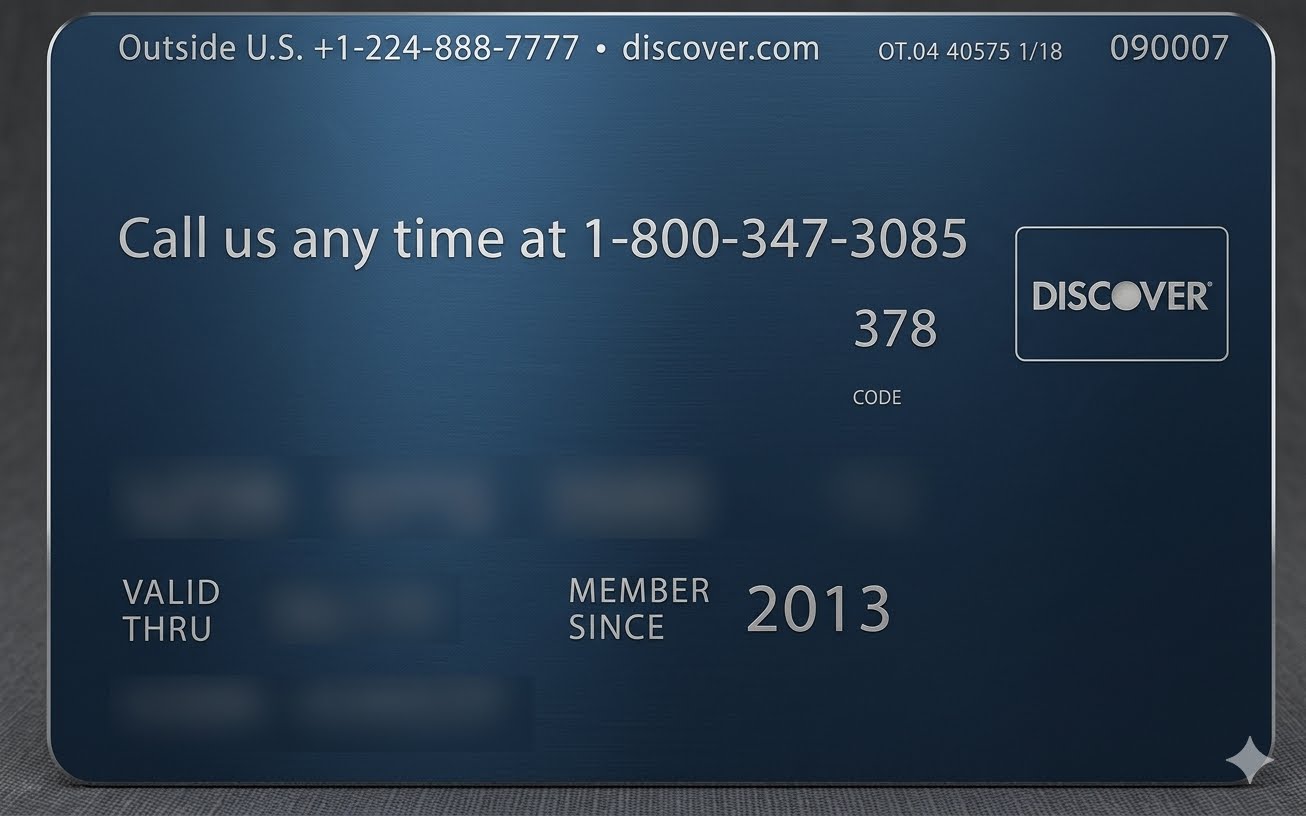
- Visa and Mastercard: Three digits on the back of the card.
- American Express: Four digits on the front of the card.
Is It Safe to Share Your CVV?
Only provide your CVV during secure checkout on trusted websites. Never share it through emails, text messages, or phone calls unless you initiated the transaction with a verified business.
Dynamic CVV
Some virtual debit cards use a dynamic CVV, which changes automatically after a period of time. This makes stolen card information significantly less useful to fraudsters and provides stronger protection for online payments.
How to Get a New Debit Card
You may need a new debit card if your current card expires, becomes damaged, is lost or stolen, or if your bank detects suspicious activity. Here’s how to get a new debit card.
Common Ways to Request a Replacement
- Request through your bank’s mobile app.
- Contact customer support.
- Visit a local branch.
- Apply online through your financial institution.
Will My New Debit Card Have a Different CVV?
Yes. In most cases, replacement debit cards are issued with a new card number or at least a new CVV and expiration date, providing additional protection against unauthorized use.

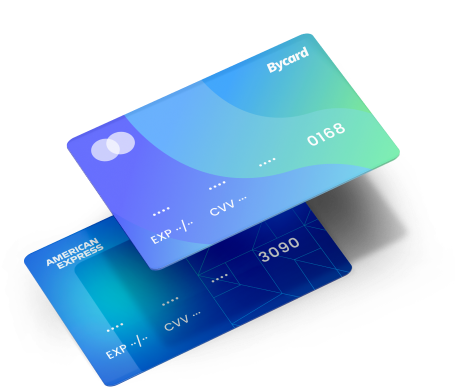
Perfect Card for running ads!
Is a Debit Card a Checking or Savings Account?
A debit card is not a checking or savings account. Instead, it is a payment card linked to one or more bank accounts.
Which Account Does a Debit Card Use?
Most debit cards are linked to:
- Checking accounts
- Savings accounts (depending on your bank)
- Multiple accounts that can be selected during ATM transactions.
The available payment options depend on your financial institution.
Debit Card CVV and Linked Accounts
Regardless of whether your debit card is connected to a checking or savings account, the CVV functions the same way by helping verify online transactions.
Understanding Debit Card CVV Security
Debit Card CVV vs CVC vs CID vs CSC
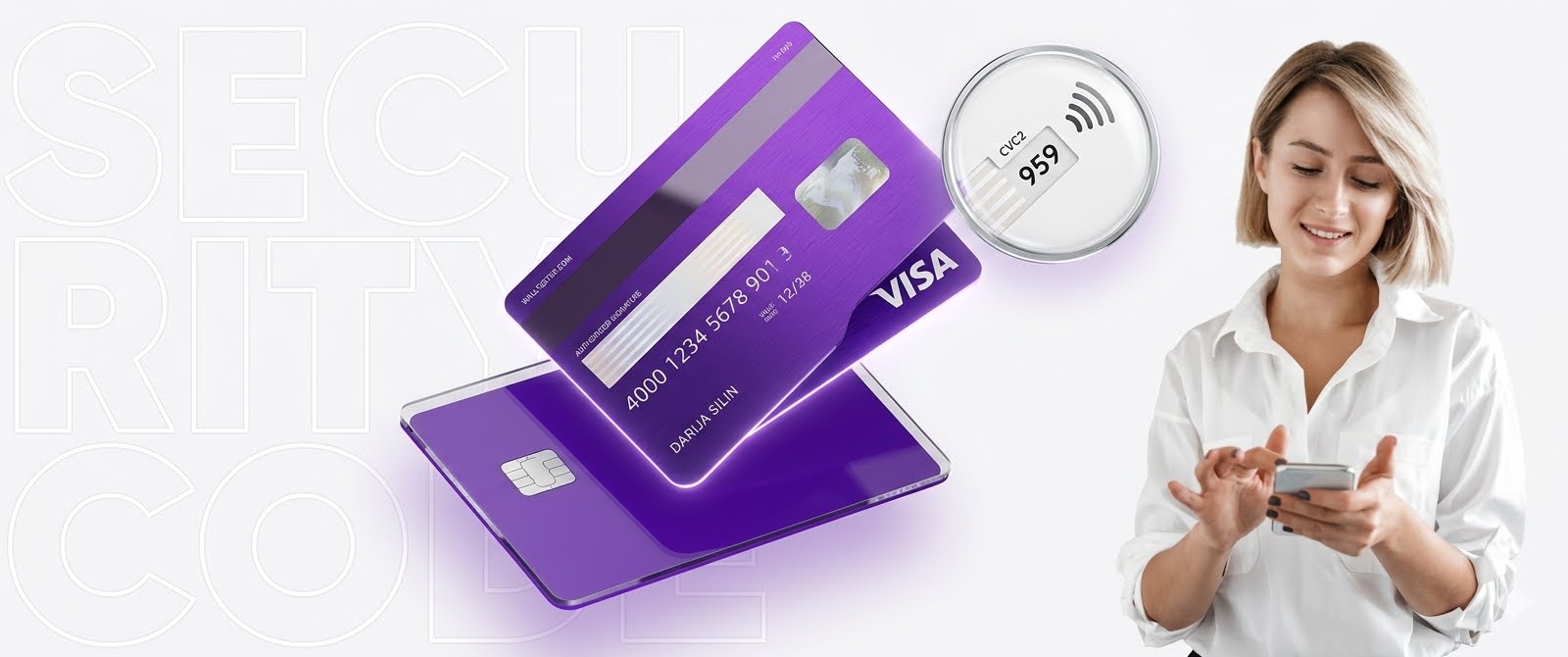
Different payment networks use different terms, but they all refer to the card’s security code.
| Term | Meaning |
| CVV | Card Verification Value |
| CVC | Card Verification Code |
| CSC | Card Security Code |
| CID | Card Identification Number (American Express) |
Can Someone Steal Your CVV?
Yes. Fraudsters may obtain your CVV through phishing, fake websites, or compromised merchants. Always verify that websites use HTTPS encryption before entering your card details.
What Happens If You Enter the Wrong CVV?
Most merchants will decline the transaction if the CVV does not match the card issuer’s records.
Why Choose Bycard for Secure Online Payments?
For users who frequently shop online or make international payments, secure virtual payment solutions can offer additional protection beyond traditional debit cards.
Bycard provides virtual payment solutions designed to enhance payment security, including features that help protect sensitive card information during online transactions. Businesses and individuals can also benefit from improved payment management while reducing fraud risks.
Conclusion
Understanding what is the debit card CVV helps you make safer online purchases, recognize payment security best practices, and reduce the risk of fraud. By combining secure payment habits with trusted payment solutions like Bycard, you can better protect your financial information while shopping online.

CATEGORIES

轻松完成账单支付的 Google Ads 支付方式指南现已上线
Wise vs Revolut? Comparing the Best Multi-Currency Card 2026

Wise Alternatives That Make Payment Faster and Currency Conversion Simple
Wire Transfer vs Bank Transfer – Swift Business Payments Now

Why Virtual Cards Matter in Digital Payments Now

Why Travel Rewards Credit Cards are Highly Important
