
 Log in
Free Business Virtual Credit Card: Smarter Spending Control for Modern Businesses

Businesses increasingly need payment solutions that improve visibility, security, and operational control. A free business virtual credit card helps organisations streamline spending while creating dedicated payment workflows for employees, vendors, subscriptions, and operational expenses.
Moreover, businesses can instantly issue cards for teams, vendors, subscriptions, and advertising campaigns while improving visibility across company spending.
In this article
- Free Business Virtual Credit Card: Smarter Spending Control for Modern Businesses
- Virtual Credit Card for Business: What Makes Business Virtual Cards Different?
- Business Virtual Card Pricing: Is It Really Free?
- Virtual Card for Business Expenses: Business Use Cases That Drive Adoption
- Corporate Virtual Cards for Teams and Employee Spending Management
- Security and Compliance Features Businesses Should Prioritise
- Security Features That Matter Most
- Security Features That Matter Most
- Free Business Virtual Credit Card vs Traditional Corporate Payment Methods
- Setting Up Business Virtual Cards: Step-by-Step Workflow
- Why Businesses Use Bycard for Business Payment Workflows
Virtual Credit Card for Business: What Makes Business Virtual Cards Different?
A free business virtual credit card is designed specifically for digital business payments, allowing companies to instantly create virtual cards, apply spending controls, assign cards to employees, and improve expense visibility without relying on physical corporate cards.
Unlike consumer payment cards, a Virtual credit card for business is built around operational control and scalability.
Business-Specific Features Companies Need
- Multi-user access
- Department-level card assignment
- Expense categorisation
- Approval workflows
- Spending controls
- Vendor-specific cards
Why Businesses Prefer Dedicated Virtual Payment Infrastructure
Businesses require:
- Better expense visibility
- Team payment management
- Reduced reimbursement processes
- Faster payment deployment
- Stronger financial oversight
NOTE
As digital payments continue evolving, organisations increasingly use virtual payment solutions to improve security, automate expense management, and streamline financial operations.
Business Virtual Card Pricing: Is It Really Free?
Cost transparency plays a major role when businesses evaluate payment providers.
What “Free” Typically Means
A business virtual card provider may offer:
- No setup fees
- No physical card requirements
- Free card creation
- Included spending controls
- Basic dashboard access
Costs Businesses Should Evaluate
Potential pricing considerations:
- Transaction fees
- Foreign exchange costs
- Premium features
- Team scaling fees
- API access pricing
Questions Businesses Should Ask Before Choosing a Provider
- Are unlimited cards included?
- Are employee cards charged separately?
- Are there transaction limits?
- What features require upgrades?
Virtual Card for Business Expenses: Business Use Cases That Drive Adoption

A virtual card for business expenses supports operational efficiency across multiple departments.
Marketing and Advertising Spend
Businesses commonly use dedicated cards for:
- Campaign budgets
- Ad platform payments
- Agency spending
- Media buying
Subscription and SaaS Management
Teams often create cards for:
- Software subscriptions
- Cloud services
- Productivity tools
- Recurring vendor invoices
Procurement and Vendor Payments
Dedicated virtual cards improve:
- Vendor tracking
- Budget allocation
- Payment approval workflows
Corporate Virtual Cards for Teams and Employee Spending Management

Scaling businesses need stronger control frameworks.
Assigning Cards Across Teams
Common structures include:
- Department cards
- Employee cards
- Temporary project cards
- Vendor-specific cards
Spending Controls Businesses Should Implement
Advantages Critical controls include:
- Spend limits
- Merchant restrictions
- Time-based expiration
- Category controls
- Approval requirements
Reducing Expense Leakage Across Teams
Businesses can reduce overspending through:
- Individual card ownership
- Real-time monitoring
- Transaction alerts
- Department budgets
Security and Compliance Features Businesses Should Prioritise
Payment security remains critical for business operations.
Security Features That Matter Most
- Dynamic card credentials
- Tokenized transactions
- Temporary card numbers
- Fraud monitoring
- Access management
Security Features That Matter Most
Organisations commonly assess:
- PCI compliance
- Audit trails
- Financial reporting support
- Approval workflows
- Transaction visibility
Free Business Virtual Credit Card vs Traditional Corporate Payment Methods
| Capability | Free Business Virtual Credit Card | Traditional Corporate Cards |
| Instant card creation | Yes | Limited |
| Employee card management | Easy | Manual |
| Spending controls | Advanced | Moderate |
| Subscription management | Strong | Limited |
| Card replacement | Immediate | Slower |
| Department budgeting | Flexible | Less granular |
Using an online shopping virtual card has become increasingly important because online marketplaces expose payment details to multiple merchants and processors.
Setting Up Business Virtual Cards: Step-by-Step Workflow
Step 1: Create a Business Account
Verify company information and payment requirements.
Step 2: Create Virtual Cards
Generate dedicated cards for teams, departments, or vendors.
Step 3: Configure Spending Rules
Apply controls, budgets, and restrictions.
Step 4: Monitor and Optimize Spending
Track transactions and adjust budgets as needed.
Why Businesses Use Bycard for Business Payment Workflows
Businesses often prioritise payment platforms that support:
- Team payment management
- Spending visibility
- Department controls
- Scalable card issuance
- Subscription payment management
PRO TIP
Solutions like Bycard help organizations centralize payment operations while improving financial oversight.
Conclusion
A free business virtual credit card gives businesses greater control over spending, stronger security, and improved visibility across payments. By implementing spending controls, assigning cards to teams, and choosing scalable payment workflows, companies can simplify expense management while supporting business growth more efficiently.

CATEGORIES

轻松完成账单支付的 Google Ads 支付方式指南现已上线
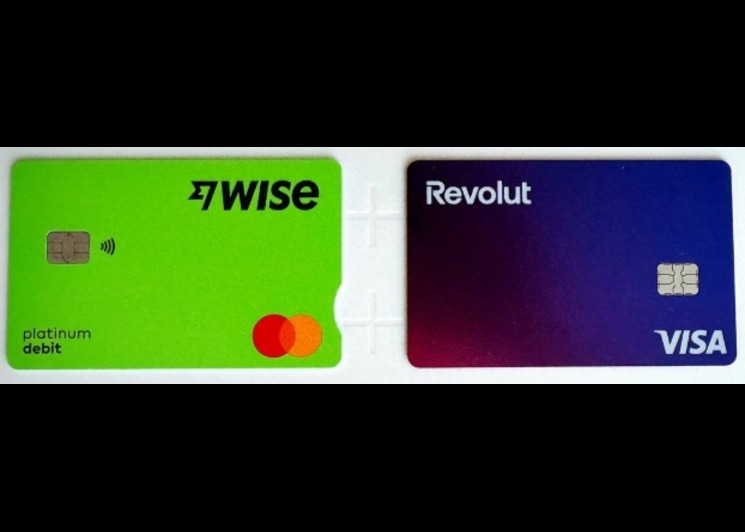
Wise vs Revolut? Comparing the Best Multi-Currency Card 2026

Wise Alternatives That Make Payment Faster and Currency Conversion Simple

Wire Transfer vs Bank Transfer – Swift Business Payments Now

Why Virtual Cards Matter in Digital Payments Now

Why Travel Rewards Credit Cards are Highly Important
