
 Log in
Recurring Payments – Why Virtual Cards Like Bycard is a better Choice
Recurring payments are automatic transactions charged regularly for subscriptions, utilities, SaaS tools, memberships, or online services. Payments may be fixed or variable and are typically processed monthly or annually. In From Netflix to Google Ads, recurring billing runs the modern economy. Yet the way we manage it is overdue for an upgrade.
We’ve all been there, you sign up for a “free trial” and three months later you’re still paying for it. Those sneaky charges, stacked subscriptions, and invisible renewals are all part of what’s called recurring payments.
This guide will break down how recurring payments work, the risks of traditional methods, and why virtual cards like Bycard are becoming the smarter way to pay.
- Understanding Recurring Payments
- Common Examples of Recurring Payments
- The Hidden Risks of Traditional Recurring Payments
- Virtual Cards vs Traditional Cards
- Common Challenges and Solution of Recurring Payments
- Set Up Recurring Payments with Virtual Cards : Step-by-Step
- Frequently Asked Questions
- Can recurring payments be blocked?
- Are virtual cards safer?
- What happens when a recurring payment fails?
- Can I pause recurring subscriptions?
- What is merchant-initiated billing?
- Is it safe to use a virtual card for billing?
- What happens if a service tries to renew a blocked card?
- Can I get a notification before a recurring charge?
- Do virtual cards build credit?
- Do virtual cards work for both fixed and variable recurring payments?
Understanding Recurring Payments
Recurring payments refer to automatic charges made at regular intervals, either fixed (same amount each time) or variable (amount changes with usage) Payments power everyday billing, from utilities and SaaS to memberships and ad platforms.
The convenience is clear. Yet, when unchecked, they quietly drain budgets. The model is everywhere: SaaS tools like HubSpot, entertainment like Netflix, and even ad spend on TikTok or Google Ads. According to Juniper Research, the subscription economy is expected to hit $1.5 trillion by 2025. That’s a lot of recurring charges moving through millions of cards worldwide.
1.Variable payments: Charges that change monthly (cloud storage fees, utility bills, or ad platforms).
2.Fixed payments: Same amount every cycle (think gym memberships or Spotify).
Common Examples of Recurring Payments
Some of the most common examples of recurring payments include:
Streaming Services
Platforms like Netflix, Spotify, Disney+, and YouTube Premium automatically charge users monthly or annually for uninterrupted access to entertainment content.
SaaS and Business Tools
Businesses often rely on recurring billing for software subscriptions such as:
- Slack
- Zoom
- Microsoft 365
- Adobe Creative Cloud
- AI tools and automation platforms
These payments are typically charged monthly per user or workspace.
Utility Bills
Electricity, water, internet, and mobile network providers often offer automated recurring payments to ensure bills are paid on time without manual intervention.
Cloud Hosting and Web Services
Developers and businesses frequently use recurring payments for:
- Web hosting
- Cloud storage
- Domain renewals
- Email hosting
- CDN services
Gym Memberships and Subscriptions
Fitness centers, online learning platforms, and membership communities commonly operate on monthly or annual recurring billing models.
E-commerce Subscription Boxes
Many online stores use recurring payments for:
- Meal kits
- Beauty boxes
- Pet supplies
- Monthly product replenishments
Recurring payments make customer retention easier for businesses while offering convenience for users. However, managing multiple subscriptions with a traditional debit or credit card can become difficult, which is why many users now prefer virtual cards for better payment control and security.
The Hidden Risks of Traditional Recurring Payments
Convenience has its price. Using traditional credit or debit cards for recurring billing brings hidden risks.
- Automatic renewals: Services often renew without clear notice, making it easy to forget subscriptions.
- Card expiration disruptions: When your card expires, recurring services may fail, interrupting access.
- Fraud and misuse: Keeping cards open for long-term billing increases exposure to fraud.
- Limited visibility: You see a lump sum on your statement, but little detail on vendor-level spending.
Enter Virtual Credit Cards: The Modern Alternative
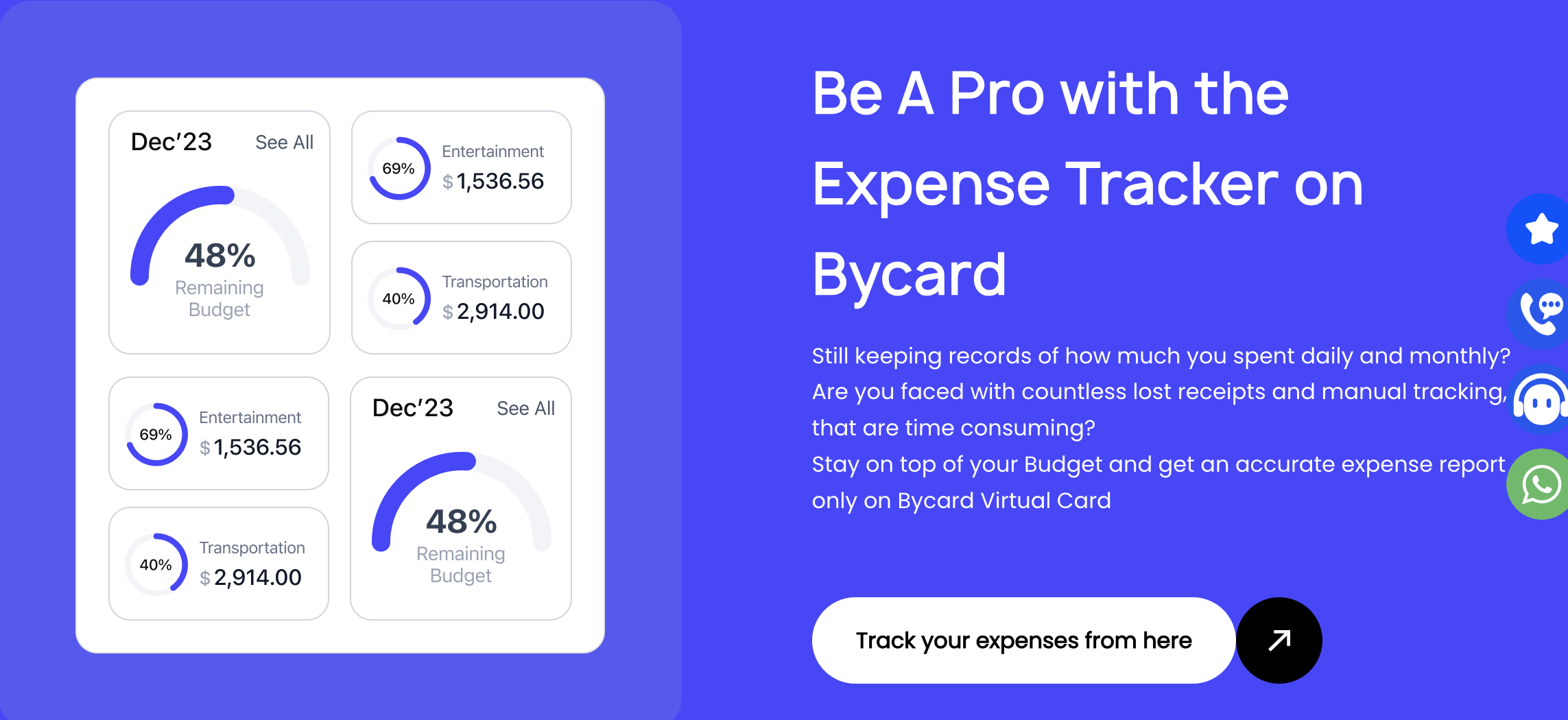
Virtual cards change the game: they’re digital, instant, and loaded with controls. With Bycard, each card can be tailored for recurring billing. Bycard finds that virtual cards eliminate overspending and auto-furnish detailed spend logs and settings. Here’s why they work so well:
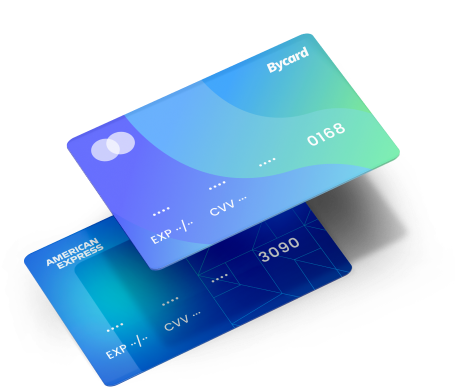
- Issue per merchant: One card for Spotify, another for your CRM.
- Set spend & time limits: Cap spend and expiration to match billing cycles.
- Toggle instantly: Disable or re-enable with a click, no bank call required.
- Better spend tracking: See payments per card in your dashboard.
Virtual Cards vs Traditional Cards
| Feature | Traditional Card | Virtual Card |
|---|---|---|
| Spend Limits | No | Yes |
| Merchant Locking | No | Yes |
| Subscription Tracking | Limited | Advanced |
| Fraud Protection | Moderate | Strong |
| Instant Cancellation | No | Yes |
Common Challenges and Solution of Recurring Payments
- Forgotten Subscriptions
People sign up for trials or SaaS tools and forget to cancel, leading to money lost on unused services. - Failed and Missed Transactions
Cards expire, limits are hit, or billing errors occur. This causes service disruptions and frustrates both users and vendors. - Fraud and Data Security Risks
Recurring billing means card data is stored for long periods across multiple vendors, increasing the risk of misuse or breaches. - Limited Visibility
Traditional cards lump charges together, making it hard to track spending per vendor or subscription. - Budget Overruns
Without caps or alerts, recurring charges quietly pile up, straining personal or company budgets. - Integration and Flexibility Issues
For businesses, recurring billing systems often don’t integrate well with accounting or ERP tools, making bookkeeping messy. - Multi-Currency and Global Support
- Companies working with international vendors face challenges in handling recurring charges in multiple currencies.

Perfect Card for running ads!
Practical Solutions for Recurring Payment Problems
- Vendor-Specific Virtual Cards
Assign one virtual card per subscription. Once you no longer need the service, disable the card in one click. - Instant Card Issuance
When a card fails due to expiry or rejection, create a new Bycard instantly to keep services running. - Merchant-Locked Cards
Limit each card to a single vendor. If one database is breached, exposure is isolated. Bycard also offers enhanced security by not exposing your primary card details. - Real-Time Dashboards
Bycard provides card-level logs, letting you see exactly which vendor billed you, when, and for how much. - Caps and Expiry Settings
Set limits per card so charges stop when the budget is reached. Add expiry dates for trials to avoid accidental renewals. - API and Accounting Sync
Bycard supports integrations with financial systems, simplifying reconciliation and bookkeeping. - Visa & Mastercard Networks
Bycard works on global networks, ensuring recurring payments succeed across borders and currencies.
Set Up Recurring Payments with Virtual Cards : Step-by-Step
Getting started is straightforward:
- Create a Bycard virtual card through the dashboard.
- Select the vendor type, streaming, SaaS, ads, or utilities.
- Set the cap and renewal cycle that fits your budget.
- Link the card to the service or platform.
- Monitor and adjust spending through real-time reports.
Conclusion
Recurring payments keep the modern economy ticking, but traditional billing methods leave too much risk and too little control. To manage streaming subscriptions, SaaS tools, or ad budgets, virtual cards like Bycard give you flexibility, security, and full visibility.
With per-card caps, instant cancellation, and clear reporting, Bycard makes recurring billing safe and simple. If you want to stop leaking money and start managing smarter, Bycard is the way forward.

CATEGORIES

轻松完成账单支付的 Google Ads 支付方式指南现已上线
Wise vs Revolut? Comparing the Best Multi-Currency Card 2026
Wise Alternatives That Make Payment Faster and Currency Conversion Simple
Wire Transfer vs Bank Transfer – Swift Business Payments Now

Why Virtual Cards Matter in Digital Payments Now

Why Travel Rewards Credit Cards are Highly Important
