
 Log in
Corporate Cards: The Complete Guide to Modern Business Spending, Expense Control, and Financial Management

Managing company spending effectively has become a critical priority for modern businesses. As organizations scale, finance teams require better visibility, stronger controls, and more efficient processes to manage expenses across departments and employees.
Corporate cards have evolved far beyond simple payment tools. Today, they serve as a foundation for spend management, expense tracking, procurement controls, vendor payments, and financial governance. When integrated into a broader financial strategy, corporate cards help organisations streamline operations, improve compliance, and gain greater control over business spending.
This guide explains how corporate cards work, their benefits, implementation best practices, and how businesses can leverage them to improve financial performance.
In this article
- Corporate Cards: The Complete Guide to Modern Business Spending, Expense Control, and Financial Management
- What Are Corporate Cards?
- Business Virtual Card
- Expense Management Cards
- Spend Management Cards
- What Are the Benefits of Corporate Cards?
- Corporate Cards vs Business Credit Cards
- Corporate Spend Management Best Practices
- Corporate Card Program Implementation Framework
- Corporate Cards for Remote Teams and Global Businesses
- How Bycard Helps Businesses Control Spend
What Are Corporate Cards?
Corporate cards are payment cards issued to employees on behalf of a company. They enable businesses to control spending, monitor expenses, enforce budgets, streamline procurement processes, and improve financial visibility through centralised reporting and spend controls.
Business Virtual Card

A Business virtual card is a digitally generated payment card designed for company spending. Unlike traditional physical cards, virtual cards can be issued instantly, assigned to specific employees or departments, and customised with spending limits.
As a result, businesses gain greater flexibility while reducing fraud risks and improving payment controls.
Benefits of a business virtual card
- Enhanced Security
Virtual cards reduce exposure to fraud because card details can be generated for specific transactions or vendors. - Better Spending Visibility
Finance teams can monitor transactions in real time and identify unusual spending patterns quickly. - Simplified Vendor Payments
Businesses can create dedicated cards for recurring subscriptions, software purchases, and vendor invoices.
Common Use Cases for a business virtual card
Marketing and Advertising Spend
Marketing teams can receive dedicated budgets and payment methods for campaign spending.
Software Subscription Management
Assign unique virtual cards to SaaS vendors to simplify renewals and cancellations.
Department-Level Budget Control
Departments can operate independently while maintaining centralised oversight.
Corporate Virtual Card
A corporate virtual card provides enterprises with advanced spending controls and centralised expense management capabilities. Unlike traditional payment methods, corporate virtual cards allow businesses to issue multiple cards instantly while maintaining full administrative control.
How a corporate virtual card Works
- Instant Card Issuance
Finance teams can generate cards on demand for employees, projects, vendors, or departments. - Custom Spending Limits
Organizations can establish spending caps based on roles, teams, or projects. - Merchant Category Controls
Businesses can restrict purchases to approved vendors or categories.
Why Companies Are Adopting corporate virtual card Solutions
- Improved Procurement Workflows
Virtual cards streamline purchasing approvals and reduce administrative delays. - Global Payment Flexibility
Companies operating internationally can simplify vendor and supplier payments. - Reduced Fraud Exposure
Single-use and vendor-specific cards significantly lower payment risks.
NOTE
This prefix is part of a larger system known as the BIN (Bank Identification Number), which helps classify card networks.
Expense Management Cards
The Expense management cards help organizations automate expense reporting, simplify reimbursement processes, and improve financial accountability.
Instead of relying on manual reporting systems, businesses can connect spending directly to expense management workflows.
Key Features of expense management cards
Automated Receipt Capture
Employees can upload receipts instantly, reducing administrative burdens.
Real-Time Expense Tracking
Finance teams gain immediate visibility into spending activities.
Policy Enforcement
Spending policies can be embedded directly into card controls.
Best Practices for Implementing expense management cards
Establish Clear Spending Policies
Document approved spending categories, limits, and approval processes.
Train Employees
Provide guidance on card usage, expense submission, and compliance requirements.
Monitor Compliance Regularly
Review spending data consistently to identify policy violations and improvement opportunities.
Spend Management Cards
The Spend management cards combine payment functionality with advanced financial controls, allowing businesses to proactively manage budgets and company-wide spending.
Core Advantages of spend management cards
Budget Allocation Controls
Assign budgets to departments, projects, or individual employees.
Real-Time Spending Intelligence
Track spending patterns and identify cost-saving opportunities.
Approval Workflow Automation
Reduce manual approval bottlenecks and improve operational efficiency.
How spend management cards Support Financial Governance
Department Accountability
Provide managers with ownership over spending decisions.
Enhanced Financial Forecasting
Access accurate spending data to improve budgeting accuracy.
Audit Readiness
Maintain complete transaction records for compliance and reporting.
What Are the Benefits of Corporate Cards?
Businesses implementing corporate cards often experience significant operational and financial improvements.
Expense Tracking
Corporate cards provide centralised transaction records that improve visibility across all business spending.
Budget Controls
Organisations can establish spending thresholds and prevent budget overruns before they occur.
Employee Spending Controls
Finance teams can issue cards with customized permissions, limits, and restrictions.
Vendor Payments
Businesses can streamline vendor relationships through automated and controlled payment processes.
Procurement Efficiency
Corporate cards accelerate purchasing workflows while maintaining financial oversight.
Financial Transparency
Executives gain real-time insights into organisational spending patterns.
Corporate Cards vs Business Credit Cards
Many businesses mistakenly assume corporate cards and business credit cards are the same. However, important differences exist.
| Corporate Cards | Business Credit Cards |
| Company liability | Often personal guarantee required |
| Advanced spending controls | Limited spending controls |
| Employee card management | Basic employee management |
| Centralised reporting | Standard reporting |
| Enterprise-focused | Small business-focused |
| Spend management capabilities | Primarily payment functionality |
PRO TIP
For organisations seeking greater visibility, compliance, and financial control, corporate cards generally provide more comprehensive solutions.
Why Finance Teams Use Virtual Corporate Cards
Finance leaders increasingly adopt virtual corporate cards because they address modern operational challenges.
Improved Security
Virtual cards reduce fraud exposure through unique card numbers and transaction-specific controls.
Faster Vendor Onboarding
New vendors can be paid immediately without waiting for physical cards.
Greater Financial Control
Finance teams can approve, monitor, and adjust spending in real time.
Better Cash Flow Management
Organisations gain improved visibility into spending commitments and future obligations.
Corporate Spend Management Best Practices
Successful spend management requires more than simply issuing cards.
Establish Department Budgets
Assign spending authority and accountability to individual departments.
Define Procurement Policies
Create standardised purchasing procedures for employees and teams.
Implement Vendor Management Controls
Use dedicated cards for strategic vendors and recurring subscriptions.
Automate Approval Workflows
Reduce manual processes and improve operational efficiency.
Conduct Regular Spending Reviews
Analyse transaction data to identify savings opportunities and compliance risks.
Corporate Card Program Implementation Framework
One of the most overlooked topics among competing content is how businesses should actually implement a successful corporate card program.
- Phase 1 – Assess Current Spending
Review reimbursement processes, vendor payments, and employee purchasing behaviour. - Phase 2 – Define Governance Policies
Create spending policies, approval workflows, and compliance standards. - Phase 3 – Configure Card Controls
Set budgets, merchant restrictions, and employee permissions. - Phase 4 – Integrate Accounting Systems
Connect card data to accounting and financial reporting platforms. - Phase 5 – Measure Program Performance
Track adoption, compliance, and cost-saving metrics.
Corporate Cards for Procurement, Accounts Payable, and Vendor Management
Remote work and international operations have created new spending challenges.
Procurement Spending Controls
Prevent unauthorised purchases through pre-approved spending frameworks.
Accounts Payable Optimisation
Reduce invoice processing times and improve payment efficiency.
Vendor Risk Management
Maintain tighter control over supplier spending and payment authorisation.

Perfect Card for running ads!

Corporate Cards for Remote Teams and Global Businesses
Remote work and international operations have created new spending challenges.
Cross-Border Payments
Support global vendors and distributed teams efficiently.
Remote Employee Spending
Provide secure purchasing options without sacrificing oversight.
Multi-Currency Transactions
Improve financial management across international markets.
How Bycard Helps Businesses Control Spend
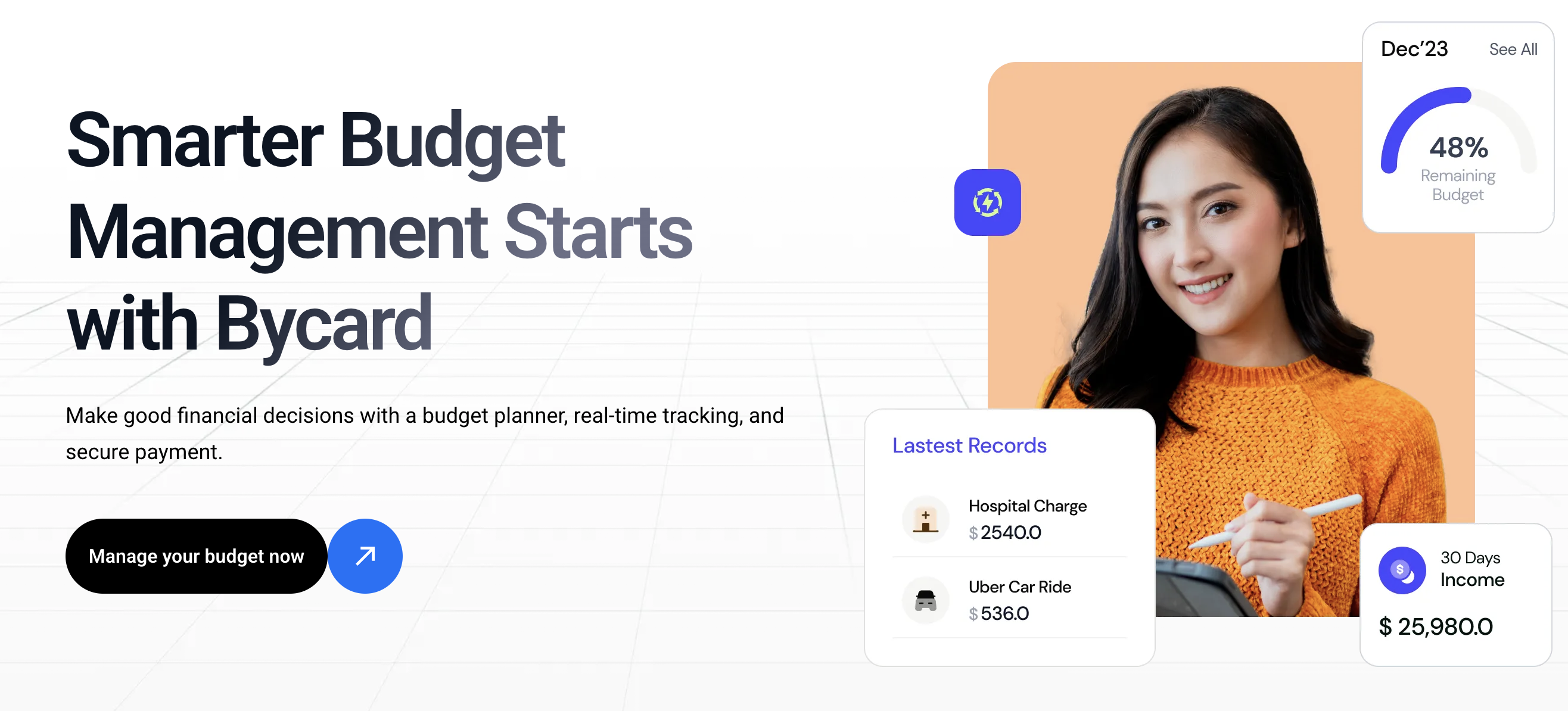
Bycard helps organisations modernise business spending through virtual card technology, expense controls, and financial visibility tools.
Virtual Card Management
Issue cards instantly for employees, vendors, subscriptions, and projects.
Expense Tracking and Receipt Management
Improve compliance through centralized transaction and receipt management.
Budget and Spending Controls
Create spending limits and approval workflows aligned with company policies.
Global Payment Flexibility
Support modern businesses operating across multiple regions and markets.
Conclusion
Corporate cards have become an essential tool for businesses seeking greater control, visibility, and efficiency in managing company spending. By combining advanced spend controls, expense tracking, procurement oversight, and virtual payment capabilities, organizations can streamline financial operations while reducing risk. As businesses continue to scale, implementing the right corporate card strategy can support smarter spending decisions, stronger compliance, and long-term financial growth.

CATEGORIES

轻松完成账单支付的 Google Ads 支付方式指南现已上线
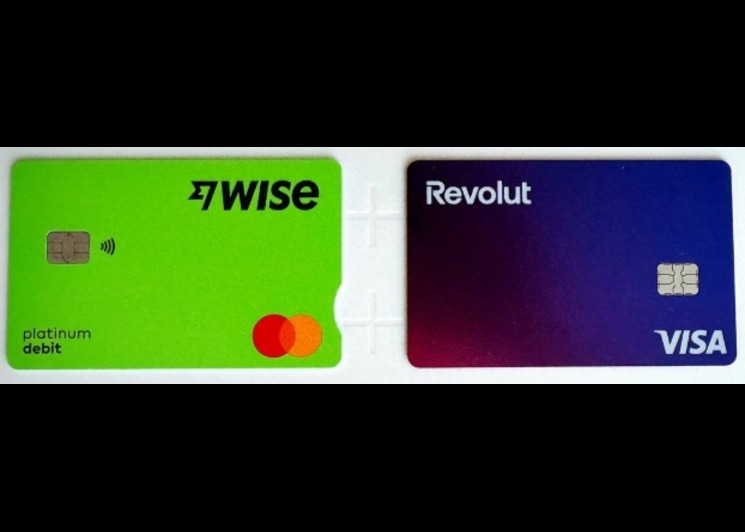
Wise vs Revolut? Comparing the Best Multi-Currency Card 2026

Wise Alternatives That Make Payment Faster and Currency Conversion Simple

Wire Transfer vs Bank Transfer – Swift Business Payments Now

Why Virtual Cards Matter in Digital Payments Now

Why Travel Rewards Credit Cards are Highly Important
