
 Log in
What to Know About Trump’s Proposed 10% Credit Card Interest Caps

High Credit Card interest has become a daily reality for millions of consumers, especially those carrying balances month-to-month. With average Credit Card APRs often above 20%, sometimes near 30% for people with lower scores, many borrowers are feeling squeezed by rising costs.
Against this backdrop, former U.S. President Donald Trump’s proposal to cap Credit Card interest rates at 10% APR sparked national debate. This idea has drawn responses from banks, consumers, policymakers, and financial experts, and now fintechs like Bycard are part of the conversation about how digital Credit Card solutions fit into the future of borrowing and payments.
- What to Know About Trump’s Proposed 10% Credit Card Interest Caps
- What the 10% Credit Card Interest Cap Proposal Really Means
- Why Credit Card Interest Rates Are High Today
- How a 10% Credit Card Cap Could Affect Everyday Credit Card Users
- What Issuers Might Do if a Cap Passed
- How Bycard Is Innovating Around Credit Card Payments
- Why Bycard Matters in a High-Interest Environment
- What Consumers Can Do Now
- Steps Credit Card Users Should Consider Now
What the 10% Credit Card Interest Cap Proposal Really Means
At its core, the proposal aims to cap the Credit Card annual percentage rate at 10% for one year. This is far below the current norms in the U.S. market, where many Credit Card APRs exceed 20% and can go above 30% for higher-risk borrowers.
The intent is straightforward: reduce the cost of carrying a balance and prevent consumers from paying excessively high interest. According to reporting on the topic, such a cap could save Americans tens of billions of dollars a year in Credit Card interest payments, potentially more than $100 billion overall if it were fully enacted.
But while that headline number sounds compelling, the proposal carries real complexities for lenders, consumers, and fintech platforms.
Why Credit Card Interest Rates Are High Today
Credit Card rates reflect a combination of:
- Federal funds rate adjustments
- Risk pricing for borrowers with different credit profiles
- Issuers’ cost of doing business
- Profit margins on revolving debt
Because Credit Card balances are unsecured, lenders price in higher risk, that’s why unsecured cards often have higher APRs than secured loans like auto or mortgage debt. A flat cap would force issuers to rethink how they manage risk, pricing, and customer segmentation.
How a 10% Credit Card Cap Could Affect Everyday Credit Card Users
If a 10% cap became law, consumers who carry a balance could save significantly on interest. For example, a $5,000 balance at 24% APR currently results in more than $1,000 in annual interest costs. A 10% cap would roughly halve that.
But even this seemingly simple benefit comes with trade-offs that have been raised in major reporting on the policy.
Potential Benefits
- Lower interest costs for consumers with revolving balances
- Faster debt payoff timelines
- Less financial strain for struggling borrowers
Potential Trade-Offs
- Tighter Credit Card approval standards as issuers shift risk elsewhere
- Reduced rewards or benefits on Credit Card products if interest income drops
- Higher fees to compensate for reduced interest revenue
Experts quoted in coverage of the proposal suggest that banks may tighten credit standards, making it harder for some people, especially those with lower credit scores, to access credit cards.
What Issuers Might Do if a Cap Passed
If a 10% Credit Card interest cap became law, banks and lenders would likely adapt rather than disappear.
Here’s what they might change:
- Raise annual fees to generate revenue that interest would have provided.
- Reduce Credit Card limits for riskier borrowers.
- Cut back incentives like sign-up bonuses or high-value rewards.
- Focus on premium or affluent segments who are less risky and can still profit with lower APRs.
Some banks, including major ones like Bank of America, may even explore new or existing Credit Card products that comply with anticipated caps. But without clear regulatory language, this remains speculative.
How Bycard Is Innovating Around Credit Card Payments
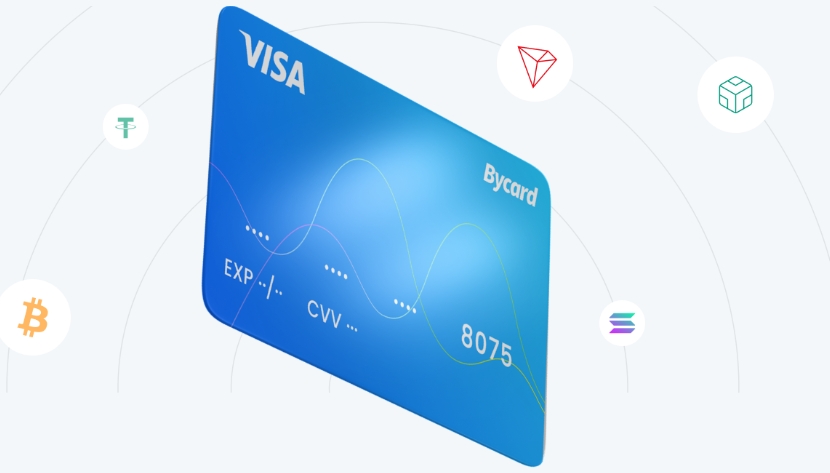
Bycard provides instantly issued virtual Credit Cards that can be used globally for online purchases, travel expenses, subscriptions, and more, all without the hassle of carrying a physical card.
Key features include:
- Instant card activation: Generate a virtual Credit Card in minutes.
- Global acceptance: Cards are supported by leading networks like Visa and Mastercard for international use.
- Multiple currencies: Transact in different currencies without complex conversion issues.
- Crypto and fiat funding: Users can top up with traditional bank transfers or crypto, bridging modern finance tools with everyday spending.
- Expense tracking and budgeting: Bycard’s platform helps users monitor spending trends and manage budgets more effectively.
- Bill payment: You can manage subscriptions, vendor invoices, and utility payments via virtual cards in one dashboard.
These features make Bycard a practical tool for people and businesses looking to gain more control over their Credit Card spending without the constraints and costs associated with traditional Credit Card interest.
Why Bycard Matters in a High-Interest Environment
- Limit fees instead of interest
- Control spending limits per virtual card
- Avoid surprise charges often associated with traditional Credit Card accounts
- Segment spending by purpose (e.g., travel vs. subscriptions)
Where traditional Credit Cards can lead to compounding interest if balances aren’t paid in full, virtual Credit Cards with transparent fee structures provide a predictable payment experience many consumers prefer.
What Consumers Can Do Now
Whether or not the 10% Credit Card cap becomes law, there are steps consumers can take today to manage their financial health:
- Know your Credit Card APRs.
Understanding your current interest rates helps you measure potential savings and opportunities. - Explore virtual Credit Card options.
Solutions like Bycard offer flexible tools that reduce reliance on revolving Credit Card debt. - Pay down high-interest balances quickly.
Reducing principal balances decreases how much interest you’ll owe, regardless of changes in policy. - Plan ahead for shifting financial services.
Keep an eye on how banks and fintech providers adjust their Credit Card products and virtual payment tools as the market evolves.
Steps Credit Card Users Should Consider Now
1. Know Your Card’s APR.
Look closely at your Credit Card statements to understand how much interest you’re paying. It’s one of the easiest steps to take.
2. Negotiate With Your Issuer.
If you have a good payment history, ask your issuer for a lower interest rate, about three-quarters of people who ask often get a reduction.
3. Consider Balance Transfers.
Some cards offer lower introductory APRs for transfers, which can be a cheaper way to manage existing balances.
4. Plan for Policy Changes.
If a cap becomes law, issuers might adjust their products. Stay informed so you can act quickly and choose the right Credit Card option.
Conclusion
Trump’s proposed 10% Credit Card interest cap highlights a real and growing concern among consumers: the pain of carrying high Credit Card debt. While policymakers and industry experts debate its merits and feasibility, solutions like Bycard’s virtual Credit Cards are already offering consumers more control, transparency, and flexibility, even in a high-interest environment.
In a world where interest rates, consumer behavior, and digital payments are all in flux, the key for individuals and businesses is to stay informed and adapt. Whether through traditional cards or innovative virtual solutions, managing Credit Card usage intelligently remains essential for financial health in 2026 and beyond.

CATEGORIES
Wise or Revolut? Comparing the Best Multi-Currency Card

Wise Alternatives That Make Payment Faster and Currency Conversion Simple

Wire Transfer vs Bank Transfer for Better & Swift Business Payments

Why Travel Rewards Credit Cards are Highly Important
Why the Ramp Card Might Be the Best Business Card

Why Sales and Discounts Make You Overspend
