
 Log in
Strategic Ways Virtual Cards and Cashback Drive eCommerce Efficiency

Running an eCommerce business today isn’t just about selling products. It’s about managing costs, tracking spending, and making every transaction count. Margins can get tight quickly, especially when you’re dealing with ads, subscriptions, supplier payments, and logistics all at once.
That’s where virtual cards and cashback start to play a more strategic role. And in practice, tools like Bycard are helping businesses actually implement these systems without adding complexity.
- Strategic Ways Virtual Cards and Cashback Drive eCommerce Efficiency
Why Payment Structure Matters in eCommerce
Most businesses don’t think much about how they pay for things. A single debit or credit card gets used for everything, ads, tools, inventory, random subscriptions.
At first, it feels convenient. Over time, it becomes messy.
You lose visibility.
You overspend without realizing it.
You struggle to track what’s actually driving results.
This is exactly the kind of problem structured virtual card systems, like what Bycard provides, are designed to solve by separating and organizing spend from the start.
What Virtual Cards Actually Do Differently
A virtual card is not just a digital version of your physical card. It’s more like creating multiple controlled payment channels for different parts of your business.
Instead of one card for everything, you can create separate cards for:
- Paid ads
- Software subscriptions
- Supplier payments
- Team usage
- Logistics and operations
With platforms like Bycard, this setup isn’t manual or scattered, you can create and manage these cards from one place, which makes the system easier to maintain as your business grows.
Better Spend Tracking Without Extra Tools
When each expense category has its own virtual card, you don’t need complicated accounting setups to understand your spending.
You can quickly answer questions like:
- How much did we spend on ads this week?
- Are subscriptions creeping up?
- Which expense is growing too fast?
Bycard makes this even more practical by giving you a clearer view of transactions as they happen, so you’re not waiting until the end of the month to figure things out.
Controlled Spending Limits
One of the most practical advantages of virtual cards is setting limits.
Instead of reacting to overspending after it happens, you prevent it entirely.
For example:
- Set a weekly cap on ad spend
- Limit what a team member can use
- Restrict a tool subscription to a fixed amount
This is where Bycard becomes especially useful, you can apply these limits directly when creating cards, making control part of the process, not an afterthought.
Reduced Risk in Online Transactions
eCommerce involves constant online payments, and that comes with risk.
Using virtual cards helps you isolate exposure:
- If one card is compromised, it doesn’t affect everything
- You can freeze or delete a card instantly
- You avoid exposing your main account details repeatedly
With Bycard, managing this risk is more straightforward since you can quickly manage or disable cards without disrupting the rest of your operations.
Where Cashback Fits Into the Picture
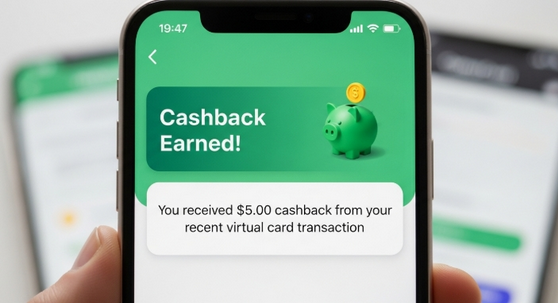
Now let’s talk about cashback, because this is where things get interesting.
Cashback isn’t just a “nice bonus.” When used intentionally, it becomes a way to recover part of your operational costs.
Turning Expenses Into Small Returns
Every eCommerce business already spends money on:
- Advertising
- SaaS tools
- Payment processing
- Inventory purchases
With cashback, a percentage of that spending comes back to you.
When your spending is structured through virtual cards, especially on platforms like Bycard, it becomes easier to consistently route eligible payments and actually benefit from cashback instead of missing out on it.
Reinforcing High-Volume Spending Areas
The real value shows up when you align cashback with your highest spending categories.
Instead of spreading expenses randomly across accounts, you:
- Route ad spend through cashback-enabled cards
- Pay recurring tools using the same structured system
- Consolidate predictable expenses
Bycard supports this kind of consistency, which is what makes cashback more reliable over time rather than occasional.
Combining Virtual Cards and Cashback Strategically
Using either virtual cards or cashback alone is helpful, but the real impact shows up when both are used together with intention. Instead of treating payments as routine expenses, this approach turns them into something you can actively manage and optimize. By structuring your spending through virtual cards and routing key transactions through cashback-enabled systems, especially with tools like Bycard, you create a setup where every payment is tracked, controlled, and partially returned. Over time, this combination doesn’t just reduce waste, it improves how efficiently your entire operation runs.
Assign Cards Based on Spending Categories
Create virtual cards specifically for areas like:
- Ads (Facebook, Google, TikTok)
- Subscriptions (Shopify apps, email tools)
- Operations (shipping, logistics)
Using a platform like Bycard makes it easier to keep this structure consistent without constantly switching between tools or accounts.
Monitor Performance Alongside Spending
Once your cards are structured, it becomes easier to connect spending to outcomes.
For example:
- Ad card spend vs revenue generated
- Tool subscriptions vs actual usage
- Logistics cost vs delivery efficiency
Bycard’s transaction visibility helps you connect these dots faster, which is key when making quick business decisions.
Eliminate Waste Without Guesswork
Most businesses waste money in small, unnoticed ways:
- Forgotten subscriptions
- Overspending on ads without clear returns
- Duplicate tools doing the same thing
When spending is organized through virtual cards, and clearly visible through tools like Bycard, these inefficiencies become easier to spot and fix.
Using Bycard as Your Virtual Card System
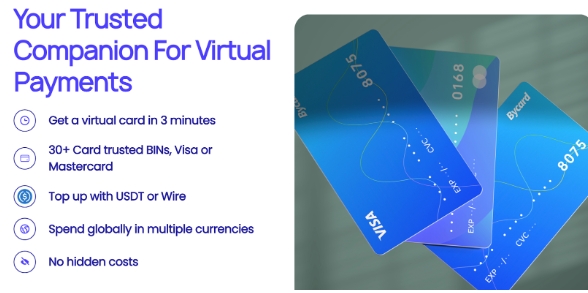
At this point, the strategy is clear: structure your spending, control it, and get value back where possible. The challenge is execution.
Bycard fits in as a practical layer that brings all of this together.
Centralized Card Management
Instead of juggling multiple cards across different platforms, Bycard allows you to manage everything in one place.
This includes:
- Creating multiple virtual cards
- Assigning them to categories or team members
- Monitoring usage without switching tools
This kind of centralization reduces confusion and saves time.
Real-Time Visibility and Control
One of the biggest gaps in eCommerce spending is delayed insight.
Bycard helps solve that by making it easier to:
- Track transactions as they happen
- Adjust limits quickly
- Identify unusual or unnecessary spending early
That speed matters, especially in fast-moving environments like paid ads.
Supporting Cashback Efficiency
Cashback works best when your spending is structured and consistent.
Bycard supports that structure by helping you:
- Keep spending organized
- Route payments intentionally
- Maintain consistency across categories
This makes cashback more predictable and easier to track over time.
Practical Setup for eCommerce Businesses
If you’re thinking of implementing this, keep it simple.
Step 1: Break Down Your Expenses
List out your main spending categories:
- Marketing
- Tools
- Inventory
- Operations

Perfect Card for running ads!
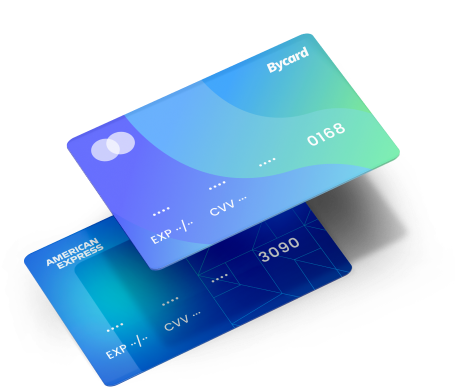
Step 2: Create Dedicated Virtual Cards
Assign one virtual card per category.
Using Bycard can simplify this step since everything is managed from a single dashboard.
Step 3: Set Spending Limits
Add caps where necessary:
- Daily or weekly ad limits
- Monthly subscription budgets
- Controlled team access
Step 4: Route Payments Consistently
Avoid mixing expenses across cards.
Consistency, especially when managed through a system like Bycard, is what gives you clean, reliable data.
Step 5: Track Cashback and Reinvest
Track how much you’re getting back and reinvest it into growth areas.
Structured systems make this easier to maintain over time.
Common Mistakes to Avoid
Even with the right tools and structure in place, a few common mistakes can still reduce how effective your system is:
- Using too many cards without structure
Creating multiple virtual cards without a clear purpose can quickly become confusing. Even when using a platform like Bycard, it’s important to align each card with a specific category or function so your system stays organized and easy to manage. - Ignoring small expenses
Small recurring charges often go unnoticed, but they add up over time. Virtual cards make these transactions more visible, but you still need to review them consistently to avoid unnecessary spending. - Not connecting spend to results
Tracking spending alone isn’t enough. The real value comes from comparing your expenses to outcomes, like revenue, conversions, or growth, so you can make better, more informed decisions.
Conclusion
Efficiency in eCommerce doesn’t always come from major changes. More often, it comes from improving how money moves through your business on a daily basis. Virtual cards help you create structure and maintain control over different expenses, while cashback gives you small but consistent returns on spending you’re already doing.
Tools like Bycard make it easier to manage both without adding extra complexity. When these elements work together, you gain better visibility, reduce unnecessary costs, and make more intentional decisions, ultimately getting more value from the same budget over time.

CATEGORIES
Wise or Revolut? Comparing the Best Multi-Currency Card

Wise Alternatives That Make Payment Faster and Currency Conversion Simple

Wire Transfer vs Bank Transfer for Better & Swift Business Payments

Why Travel Rewards Credit Cards are Highly Important
Why the Ramp Card Might Be the Best Business Card

Why Sales and Discounts Make You Overspend
