
 Log in
Single Use Cards: Afterpay, PayPal and Secure One-Time Payments
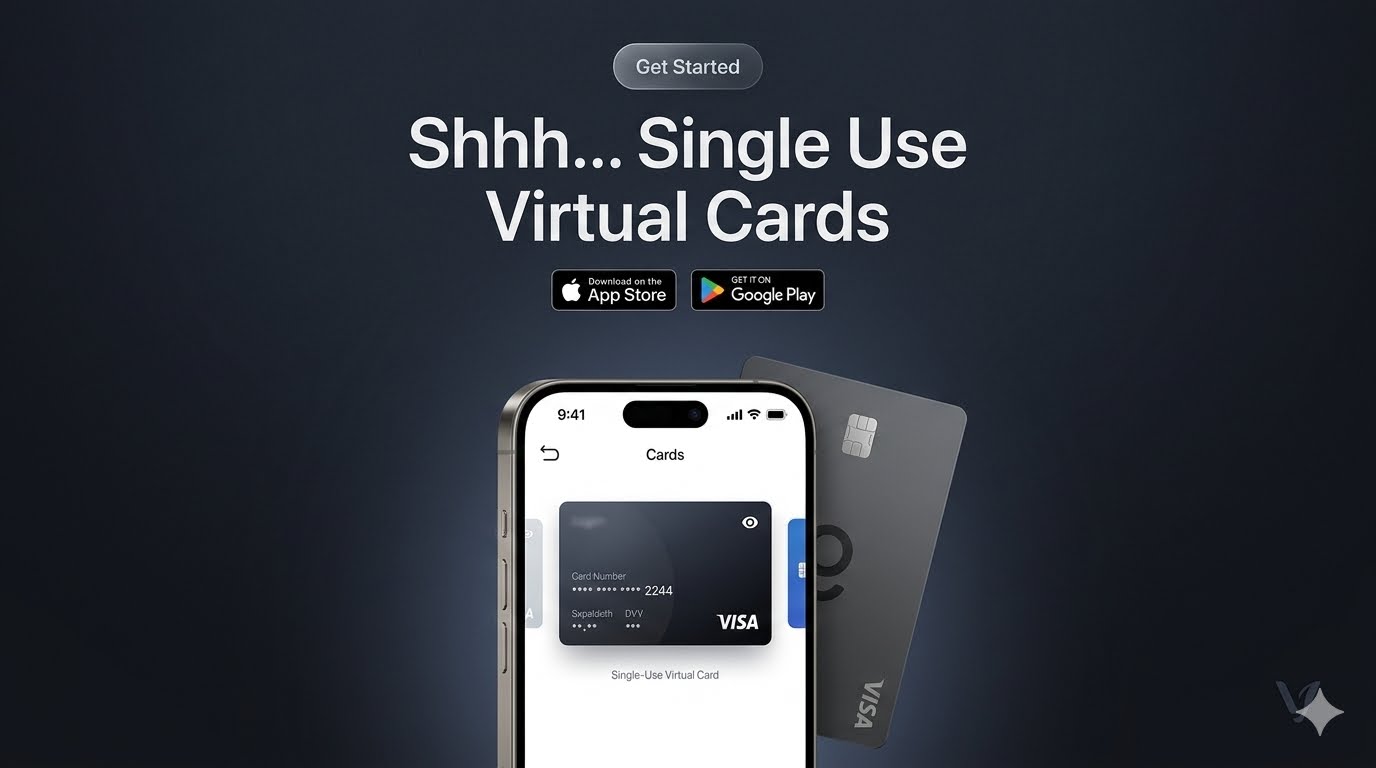
A single use card is a virtual payment card designed for one transaction. It can reduce exposure of your primary card details while giving shoppers and businesses tighter control over a specific payment.
For consumers, single use cards can provide an additional layer between a merchant and their underlying payment account. For businesses, they can be used to isolate expenses by purchase, supplier, employee, campaign, or budget. Consequently, the best single use card solution should balance security, merchant acceptance, transaction success rates, spending controls, refund handling, and ease of management.
In this article
- Single Use Cards: Afterpay, PayPal and Secure One-Time Payments
- What is an Afterpay Single use card?
- Single use credit card – Is a single use credit card a real credit card?
- How to create a single use card on afterpay
- Paypal single use card – How does a PayPal single-use card work?
- Single Use Cards and Transaction Success Rates – Why transaction success rates matter
- Business Case Studies: Where Single Use Cards Add Value
- Bycard: A Flexible Alternative for Controlled Virtual Payments
- How to Choose the Right Single Use Card
What is an Afterpay Single use card?
An afterpay single use card is generated for an approved purchase and is tied to the amount entered for that transaction. Afterpay currently provides single-use payment functionality for eligible purchases, including Amazon purchases through its app. The purchase amount should account for taxes and shipping, and unused amounts can be returned.
What happens if the payment fails?
First, check that the single-use card amount covers the complete order. Afterpay notes that orders can be declined when the final order total exceeds the card amount. A new card may then need to be generated.
NOTE
This is an important distinction: single use cards improve payment control, but they do not guarantee transaction approval. Merchant rules, authorization, fraud controls and the available payment amount can still affect success.
Single use credit card – Is a single use credit card a real credit card?
A single use credit card is generally a virtual card number created for a specific payment rather than a traditional physical credit card. Depending on the provider, it may be connected to credit, a payment account, or another funding source.
Single-use vs reusable cards
| Card type | Best for | Main advantage |
| Single-use | One-time purchases | Limits reuse of card details |
| Multi-use virtual card | Multiple purchases | Convenience |
| Recurring virtual card | Subscriptions | Controlled recurring billing |
Consequently, a single-use card can be particularly useful when you want to isolate a purchase from your primary payment credentials.
How to create a single use card on afterpay
Steps to create a single-use card on Afterpay
For eligible Afterpay purchases, the process generally involves:
- Add products to your cart and proceed to checkout.
- Select the Afterpay payment option where available.
- Enter the required purchase amount.
- Review the payment schedule and authorization terms.
- Confirm the purchase to generate the single-use payment card.
- Use the generated card details to complete checkout.
For Amazon, Afterpay’s current instructions say customers may need to manually copy the card number, expiration date, CVV and name into Amazon checkout.
An important limitation
Single-use cards are not automatically suitable for every transaction. Recurring charges, restricted merchants, authorization holds and an incorrect purchase amount can cause problems. Therefore, always check the provider’s current merchant and transaction restrictions.
Paypal single use card – How does a PayPal single-use card work?
A Paypal single use card is currently offered through PayPal’s Pay Monthly in-store experience for approved customers. PayPal says the virtual card is valid for one purchase and must be used within 24 hours of loan approval. It can be added to Apple Wallet or Google Wallet for eligible in-store transactions.
Why can a PayPal single-use card be declined?
PayPal identifies several possible causes, including:
- The card has already been used.
- The transaction exceeds the approved amount.
- The card has expired.
- The transaction is restricted.
Refunds also depend on the merchant’s return policy and how the refund affects the associated PayPal loan.
Single Use Cards and Transaction Success Rates – Why transaction success rates matter
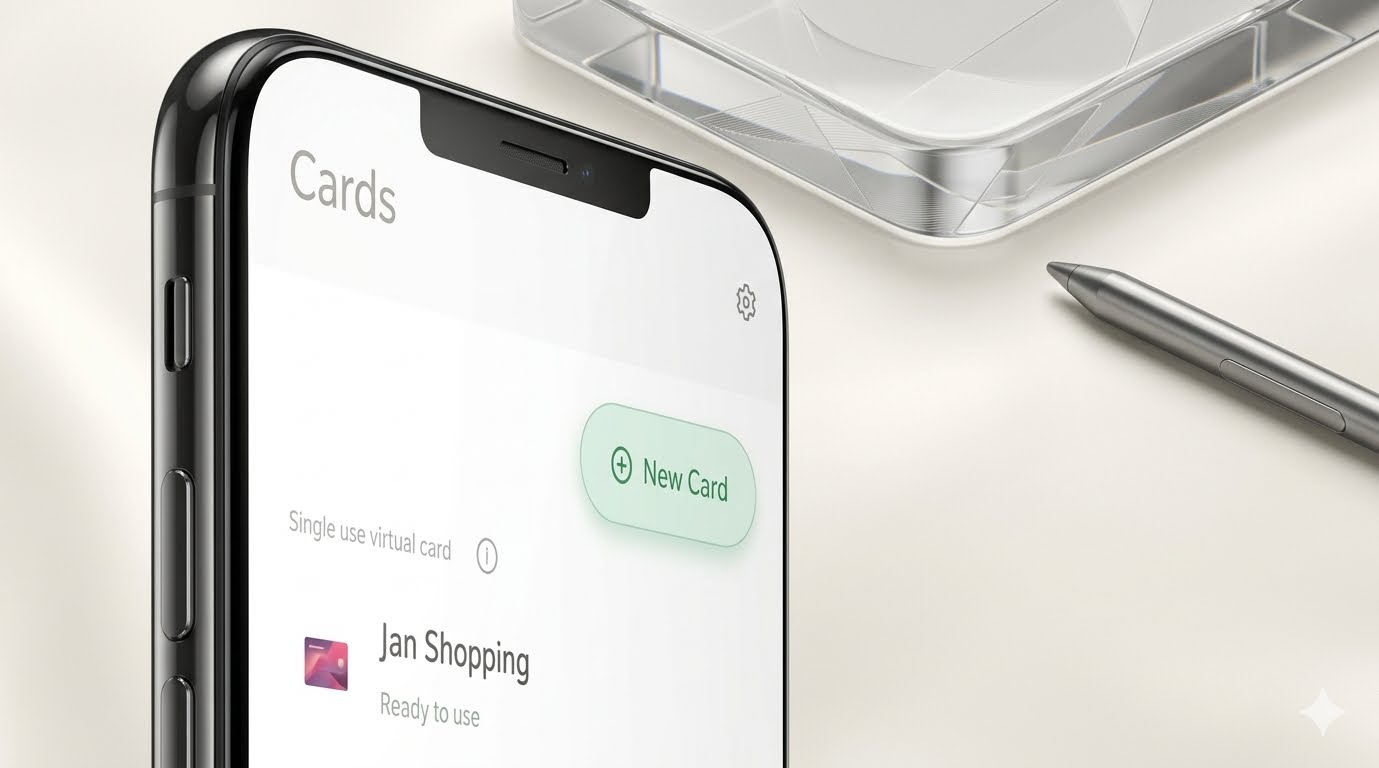
Security is only half of the payment equation. A card that prevents unauthorized reuse but repeatedly fails at checkout can still create operational problems.
Transaction success can be affected by:
- Merchant category restrictions
- Card issuer and BIN
- Billing information
- Available balance or approved amount
- Fraud controls
- Geographic restrictions
- 3-D Secure or authentication requirements
- Merchant authorization rules
For businesses, a failed payment can mean a delayed purchase, interrupted advertising campaign or additional reconciliation work
How Bycard approaches payment reliability
Bycard’s virtual-card offering emphasizes instant issuance, spending controls, multiple BINs, global payment support and card-level management. Its media-buying materials also emphasize payment reliability and reducing payment interruptions.
PRO TIP
Importantly, Bycard reports 98% uptime reported by users for its Adpos solution; this should not be interpreted as a universal 98% transaction-approval rate.

Perfect Card for running ads!
Business Case Studies: Where Single Use Cards Add Value
One card per transaction, vendor or campaign
For businesses, the value extends beyond hiding card details. A single-purpose virtual card can help isolate spending, establish a defined budget and make transactions easier to reconcile.
Bycard describes a marketing-firm example in which virtual cards were assigned to Meta, Google and TikTok spending, with reported settlement time falling from five days to one.
Media buying example
A marketing agency can assign separate virtual cards to campaigns or platforms. If one payment method encounters a problem, another card can be issued without exposing the business’s primary payment credentials.
Bycard also describes campaign-level cards, spending limits, transaction logs and instant replacement as tools for reducing disruption.
Why this matters
The business case is therefore straightforward: more payment isolation, clearer spending controls and better transaction visibility can reduce the operational impact of payment failures and unauthorized spending.
Bycard: A Flexible Alternative for Controlled Virtual Payments
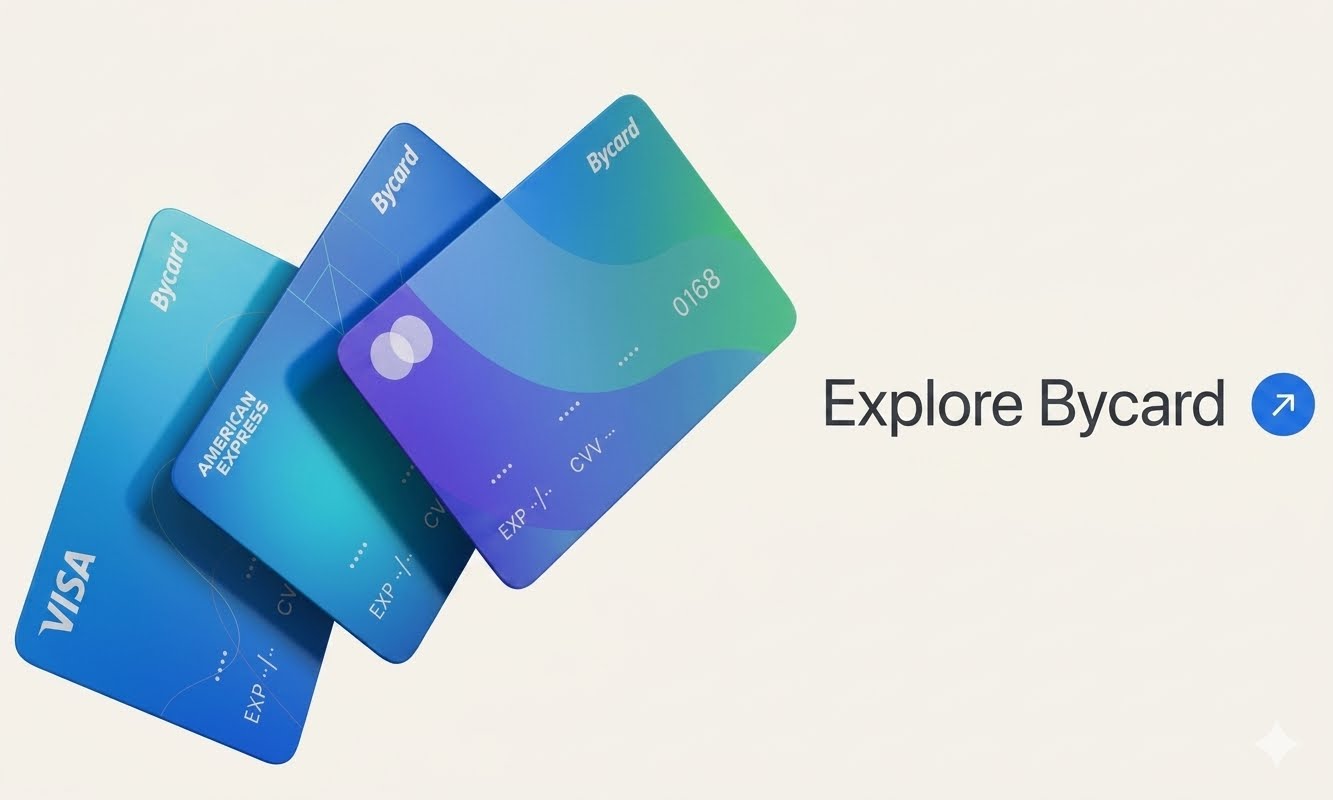
Bycard provides virtual Visa and Mastercard cards with instant issuance, spending controls, multiple BINs and multi-currency support. Its platform also includes expense reporting, reconciliation and business spending tools.
When Bycard can make sense
Bycard is particularly relevant when you need to:
- Create virtual cards quickly
- Separate spending by campaign or business purpose
- Set card-level spending limits
- Monitor transactions
- Manage advertising payments
- Reconcile business expenses
- Reduce exposure of a primary payment card
Reduce exposure of a primary payment card
How to Choose the Right Single Use Card
Check these five factors
- Transaction compatibility — Does the merchant accept the card?
- Amount controls — Can you set the correct purchase amount?
- Expiration rules — How long does the generated card remain valid?
- Refund handling — What happens if the merchant reverses the transaction?
- Business controls — Can you track, limit and reconcile spending?
Look beyond security
A good single-use card should balance security, acceptance and payment reliability. That combination matters more than simply generating a disposable card number.
Conclusion
Single use cards provide a practical balance between payment security and spending control. Whether comparing an afterpay single use card, a single use credit card, or a paypal single use card, the most important factors are security, acceptance, transaction success and control. Bycard extends that concept into broader business and virtual-payment management.

CATEGORIES

轻松完成账单支付的 Google Ads 支付方式指南现已上线
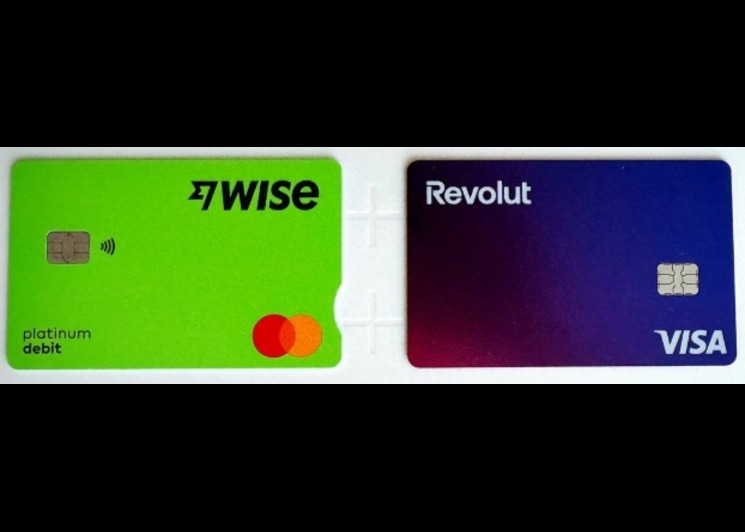
Wise vs Revolut? Comparing the Best Multi-Currency Card 2026
Wise Alternatives That Make Payment Faster and Currency Conversion Simple
Wire Transfer vs Bank Transfer – Swift Business Payments Now
Why Virtual Cards Matter in Digital Payments Now

Why Travel Rewards Credit Cards are Highly Important
