
 Log in
Is the Bilt Card 2.0 a Good Choice? A Detailed Review for Every Intending User
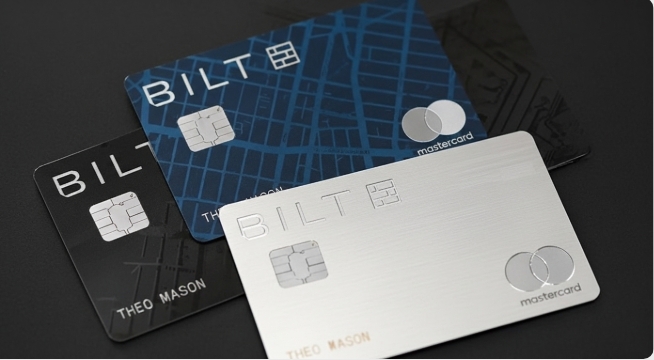
The Bilt Card is a rewards credit card designed around one major expense many people already have: housing. It allows users to earn points on rent payments, and now mortgage payments, without charging the processing fees that usually cancel out any rewards.
Unlike many traditional credit cards, the card was built specifically to integrate housing payments into a rewards system. Bilt Card 2.0 keeps that foundation but expands how users earn and unlock rewards.
- Is the Bilt Card 2.0 a Good Choice? A Detailed Review for Every Intending User
What the Bilt Card 2.0 Actually Is
The Bilt Card is a rewards credit card designed around one major expense many people already have: housing. It allows users to earn points on rent payments, and now mortgage payments, without charging the processing fees that usually cancel out any rewards.
Unlike many traditional credit cards, the Bilt Card was built specifically to integrate housing payments into a rewards system. Bilt Card 2.0 keeps that foundation but expands how users earn and unlock rewards.
Bilt Card 2.0: The Three Card Options
Instead of one single card, version 2.0 introduces three tiers:
Bilt Blue Card
- Annual fee: $0 – a true no-fee option for basic rewards and flexibility.
- Welcome bonus: Typically around $100 in Bilt Cash upon approval.
- Rewards:
- Earn up to 1X Bilt points on everyday purchases (once unlocked).
- Earn 4% back in Bilt Cash on everyday spending.
- Earn up to 1X Bilt points on everyday purchases (once unlocked).
- Best for: Beginners, casual spenders, and those who want no annual fee while still accessing rent/mortgage rewards.
Bilt Obsidian Card
- Annual fee: $95 per year.
- Welcome bonus: Approximately $200 in Bilt Cash on approval.
- Rewards:
- Choose a 3X points category (dining OR groceries up to $25,000/year).
- 2X points on travel.
- 1X points on all other everyday purchases once unlocked with Bilt Cash.
- 4% back in Bilt Cash on everyday spend.
- Choose a 3X points category (dining OR groceries up to $25,000/year).
- Benefits: Includes annual Bilt Travel Hotel credits (about $100).
- Best for: Spendters who earn most on dining/groceries and who want extra travel perks.
- Bilt Palladium Card – Premium card with higher annual fees and additional travel-focused benefits
Bilt Palladium Card
- Annual fee: $495 per year.
- Welcome bonus: Limited‑time offers sometimes include 50,000 Bilt points + Bilt Gold status plus $300 in Bilt Cash on account opening.
- Rewards:
- 2X points on everyday spend (excluding housing spend once unlocked).
- 4% back in Bilt Cash on everyday purchases.
- 2X points on everyday spend (excluding housing spend once unlocked).
- Benefits: Includes up to $600 in annual credits (like Bilt Travel Hotel credits and Bilt Cash), Priority Pass lounge access, and premium travel protections.
- Best for: High spenders, frequent travelers, and users who want maximum travel & lifestyle benefits.
Each card tier earns rewards differently, but all are tied into the same Bilt Rewards ecosystem.
How Rent and Mortgage Rewards Work on the Bilt Card
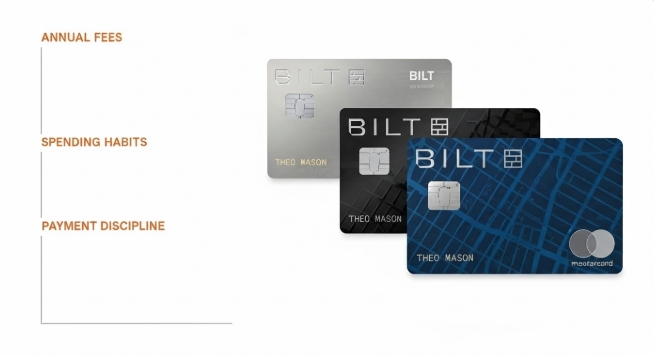
Housing payments remain the main reason people consider the Bilt Card.
With Bilt Card 2.0, rent and mortgage payments don’t automatically earn points by default. Instead, users earn Bilt Cash from everyday purchases, which can then be used to unlock rewards on housing payments.
This approach favors users who actively use the card for dining, travel, or daily expenses. For light users, the value may be lower compared to the original model, but for consistent spenders, it can still be effective.
Using Bilt Card Rewards in Real Life
Points earned on the Bilt Card are more flexible than many typical credit card rewards. According to official details and comparisons across sources:
- Points can be redeemed for travel bookings
- Transferred to airline and hotel partners
- Used for future rent or mortgage payments
- Applied for statement credits, Lyft rides, or other lifestyle rewards
- Put toward credit reporting to build your credit history with rent payments
This multi-channel redemption strategy means the Bilt Card isn’t just about paying rent; it’s positioned as a broader financial tool.
How Bycard Solves Everyday Payment Problems
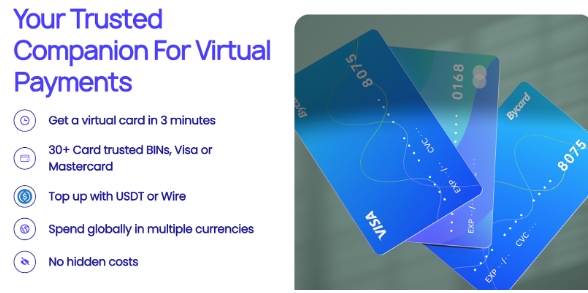
While the Bilt Card focuses on earning rewards through credit usage, not every payment need fits neatly into a traditional rewards card model. This is where platforms like Bycard come in.
Bycard takes a control-first approach to payments. Instead of relying on a single card for everything, users can create multiple virtual cards for different purposes.
With Bycard, users can:
- Generate instant virtual cards for subscriptions, bills, ads, or vendors
- Set spending limits on each card
- Track transactions in real time
- Lock or deactivate cards instantly
- Keep personal, business, and project expenses clearly separated
This structure is especially helpful for managing recurring online payments and reducing exposure to fraud.
Bycard vs the Bilt Card: Different Tools, Different Strengths
| Feature / Use Case | Bilt Card | Bycard |
| Primary purpose | Earn rewards on housing payments and everyday spending | Manage and control digital payments using virtual cards |
| Best for | Renters or homeowners paying rent or a mortgage regularly | Individuals and businesses managing multiple online payments |
| Payment structure | Traditional credit card with a single credit line | Multiple virtual cards with customizable limits |
| Rewards focus | Points earned on rent, mortgage, dining, travel, and daily spend | No rewards system; focus is on payment control and efficiency |
| Spending flexibility | One main card used across categories | Separate cards for subscriptions, vendors, ads, or projects |
| Budgeting & expense tracking | Standard credit card statements and app tracking | Card-level limits, real-time tracking, and clearer budgeting |
| Fraud prevention | Standard credit card protections | Enhanced control with instant card freeze and isolated card use |
| Typical use case | Paying rent and earning points toward travel or housing costs | Paying recurring bills, online services, ad spend, or business expenses |
Many users find these tools complement each other. The Bilt Card handles rent and everyday purchases that earn rewards, while Bycard manages recurring bills, subscriptions, advertising spend, or business payments that benefit from tighter controls.
Pros and Cons of the Bilt Card 2.0
Pros
- No transaction fees on rent or mortgage, still a rare benefit.
- Rewards on housing payments plus everyday spend, expands earning opportunities.
- Points can be transferred to travel partners or applied to future housing costs.
- New welcome bonuses on all three cards, which the old version didn’t have.
Cons
- Earning rent points now requires effort, you usually have to unlock them with Bilt Cash earned from everyday spending.
- More complexity than before, some users feel the rewards system is harder to optimize.
- Annual fees on two of the three new cards.
This balance between richer utility and added complexity is exactly what multiple reviewers highlight, the Bilt Card 2.0 is more powerful, but it demands more engagement to get the best value.
Is the Bilt Card 2.0 a Good Choice for You?
The answer depends on how you manage your money.
The card makes sense if you:
- Pay rent or a mortgage consistently
- Want to earn rewards on unavoidable expenses
- Are comfortable using a credit card responsibly
Bycard may be a better fit if you:
- Need multiple payment cards for different purposes
- Want clearer spending control and budgeting
- Manage frequent online or business payments
Conclusion
The Bilt Card 2.0 is more flexible than the original, but it also requires more engagement to unlock its value. For disciplined users who pay housing costs monthly, the card can still deliver steady, long-term rewards.
Bycard, on the other hand, focuses on payment organization and security rather than rewards. Used together, or separately depending on your needs, both tools can play a role in building a more structured and intentional payment setup.

CATEGORIES
Wise or Revolut? Comparing the Best Multi-Currency Card

Wise Alternatives That Make Payment Faster and Currency Conversion Simple

Wire Transfer vs Bank Transfer for Better & Swift Business Payments

Why Travel Rewards Credit Cards are Highly Important
Why the Ramp Card Might Be the Best Business Card

Why Sales and Discounts Make You Overspend
