
 Log in
Top 5 Trends in Digital Payments in 2026
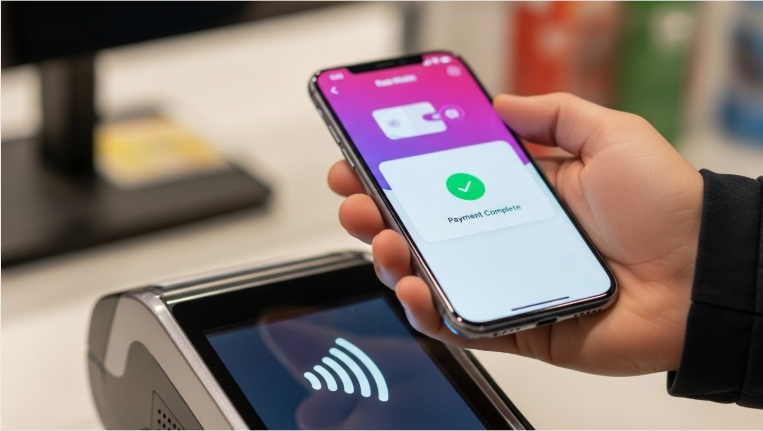
In 2026, trends in digital payments are reshaping how money flows across everyday life. Paying for things is becoming easier, faster, and almost invisible, and that’s because the world of money movement is changing rapidly. From shopping online and sending funds abroad to managing budgets and running marketing campaigns, new payment technologies are making transactions smoother, more secure, and more flexible. Understanding these trends helps businesses, marketers, and consumers stay ahead, optimize processes, and make smarter financial decisions in a landscape that’s evolving faster than ever.
- Top 5 Trends in Digital Payments in 2026
- 1. AI and Agent‑Driven Commerce Are Changing the Way We Buy
- 2. Rails and Tokenization Are Becoming Standard
- 3. Payment Choice Expands: Wallets, BNPL, Crypto & More
- 4. Identity, Security, and Regulations Are Shaping Trust
- 5. Embedded Finance, Orchestration & Practical Integration
- How Bycard Fits into Today’s Payment Landscape
1. AI and Agent‑Driven Commerce Are Changing the Way We Buy
Ever wondered if your digital assistant could actually complete a payment for you based on your preferences? That’s the idea behind agent‑driven commerce, one of the top trends in digital payments in 2026. Rather than just suggesting products, intelligent systems can act on behalf of the user, including payment and checkout, based on rules you set.
These intelligent flows also power smarter fraud detection. AI helps analyze behavior in real time, reducing false declines and keeping your checkout smooth and secure.
What this means for you:
- Faster checkouts with fewer typed fields.
- Smarter fraud prevention that doesn’t slow you down.
- Personalised payment experiences that anticipate your needs.
This shift impacts businesses and platforms across the board, including how solutions like Bycard integrate intelligent spend control and transaction tracking into everyday payment journeys.
2. Rails and Tokenization Are Becoming Standard
Speed matters. Nobody likes waiting days for money to move. That’s why real‑time settlement and tokenization are core aspects of the trends in digital payments right now.
Tokenization replaces sensitive card or account numbers with secure digital identifiers, reducing fraud risk and enabling consistent payment identity across channels. Meanwhile, real‑time rails, like instant bank‑to‑bank payments in many countries, settle transactions in seconds.
How this shows up in practice:
- Merchants receive funds faster, improving cash flow.
- Customers see instant confirmation.
- Developers can build smoother checkout flows.
Platforms like Bycard issue virtual cards instantly, backed with multi‑BIN support and 3D Secure flows to improve acceptance and reduce authentication friction across regions and currencies.
3. Payment Choice Expands: Wallets, BNPL, Crypto & More
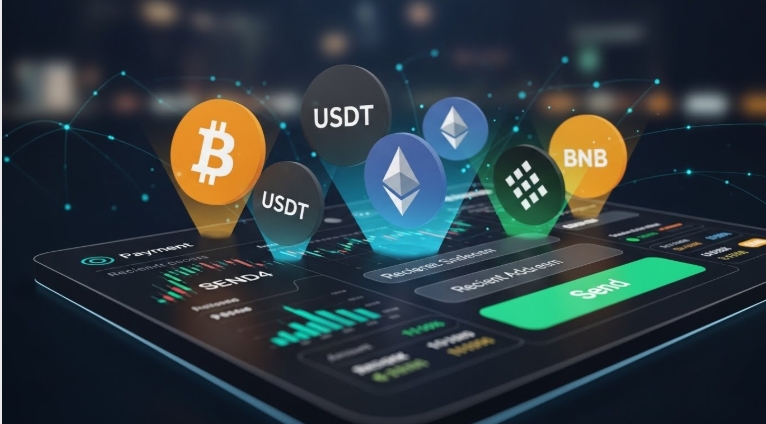
A big theme in the trends in digital payments for 2026 is choice. Customers want to pay how they prefer, not just with cards.
Multiple Methods for Different Needs
- Digital wallets and alternative pay methods continue to eat into traditional card volume.
- BNPL (Buy Now, Pay Later) has matured into broader use cases beyond retail.
- Stablecoins and crypto‑funded payments are gaining traction for certain international and treasury flows.
- QR codes, A2A payments, and bulk pay tools offer flexible digital payment entry points.
Why this matters for you:
More choices usually mean higher conversions and better coverage for global audiences. Tools like Bycard’s virtual cards support multi‑currency spend, funding via bank transfer or crypto like USDT, and can be used across e‑commerce and advertising platforms all without traditional card constraints.
4. Identity, Security, and Regulations Are Shaping Trust
Fast payments aren’t worth much without trust. That’s why another clear trend in digital payments in 2026 is stronger identity and security measures alongside evolving regulation.
Global frameworks require providers to verify users, screen transactions for fraud, and protect personal data. These demands are reflected in how modern payment tools enforce compliance and risk management.
Security in the real world:
- Tokenization reduces exposure of card and account details.
- Multi‑BIN strategy lowers authentication friction while improving acceptance across regions.
- Per‑card spend limits and granulated controls help spot anomalies faster.
Bycard’s platform embraces these security dynamics with customizable spend limits, instant card lock/unlock features, and powerful dashboard tracking, all aimed at helping your business balance trust with ease of use.
5. Embedded Finance, Orchestration & Practical Integration
Payment flows are no longer isolated steps, they are woven directly into apps, marketing tools, and everyday workflows. Two big themes stand out here in the trends in digital payments for 2026:
Embedded Finance
Payments are becoming part of the fabric of digital experiences. Checkout isn’t a separate page, it’s a part of the journey.
Payment Orchestration
Rather than relying on one gateway, businesses are using orchestration platforms that intelligently route payments, optimize costs, and reduce downtime.
Bycard’s Payment Integrations
Bycard extends this thinking to media buyers and marketers with dedicated virtual cards for ad campaigns, each card can be linked to specific platforms like Facebook, Google, TikTok, or LinkedIn to track ad spend precisely and isolate risk.
Meanwhile, features like bill pay, receipt management, and expense reporting help businesses transform complex workflows into unified, digital processes. This meets the growing demand for payment solutions that do more than collect money, they help you manage money intelligently.
How Bycard Fits into Today’s Payment Landscape
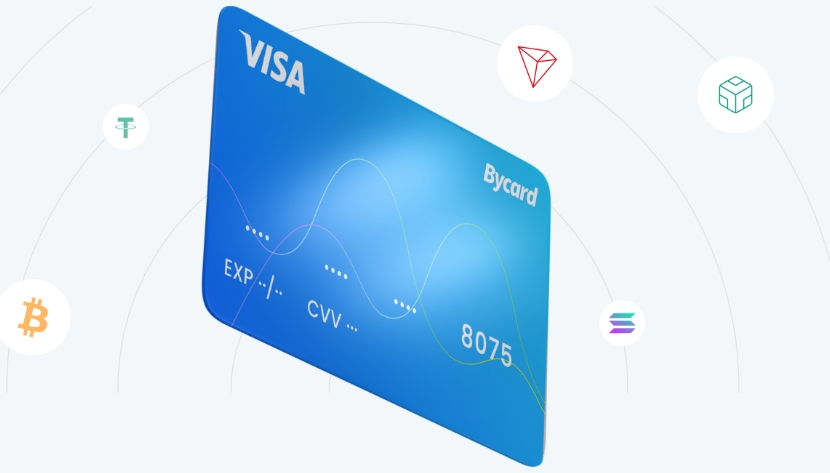
Want to see how all these trends play out in a real solution? Bycard offers a digital payment ecosystem built around virtual cards, spend control, and practical finance workflows.
- Instant Virtual Card Issuance
Generate virtual Visa or Mastercard cards in minutes for online spend, ads, bills, and subscriptions, without waiting for physical cards.
- Security First
Advanced features like per‑card spend limits, instant lock/unlock, and multiple BIN support help reduce fraud exposure and increase payment acceptance globally.
- Multi‑Currency & Crypto Support
Spend in multiple currencies and fund cards using bank transfer or crypto (e.g., USDT). This flexibility is especially useful for cross‑border transactions and global campaigns.
- Campaign‑Focused Spend Control
Ad teams and agencies can issue unique virtual cards per campaign, with real‑time dashboards and spending limits that make it easier to track budgets and reconcile expenses.
- Practical Finance Tools
With features like bill pay, receipt tracking, budget management, and expense reports, Bycard supports broader finance workflows beyond simple transactions.
Bycard’s solutions reflect many of the trends in digital payments we’ve covered, from enhanced security and multi‑rail flexibility to richer spend visibility and embedded finance capabilities.

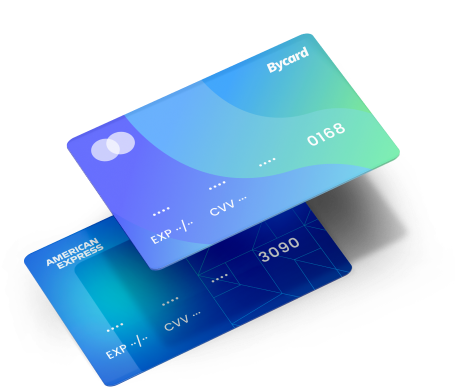
Perfect Card for running ads!
Conclusion
Digital payments in 2026 are more than tapping a card or scanning a QR code, they are embedded, real‑time, secure, and highly flexible. Whether you’re managing budgets, running marketing campaigns, or building digital platforms, staying aware of these trends in digital payments helps you be ready for what’s next.
Solutions like Bycard show how these trends can come together in practical tools you can use today, from virtual cards linked to global platforms to detailed expense analytics.

CATEGORIES
Wise or Revolut? Comparing the Best Multi-Currency Card
Wise Alternatives That Make Payment Faster and Currency Conversion Simple
Wire Transfer vs Bank Transfer for Better & Swift Business Payments

Why Travel Rewards Credit Cards are Highly Important
Why the Ramp Card Might Be the Best Business Card

Why Sales and Discounts Make You Overspend
