
 Log in
Bycard Virtual Card: A Preferred Payment System for AI Subscriptions
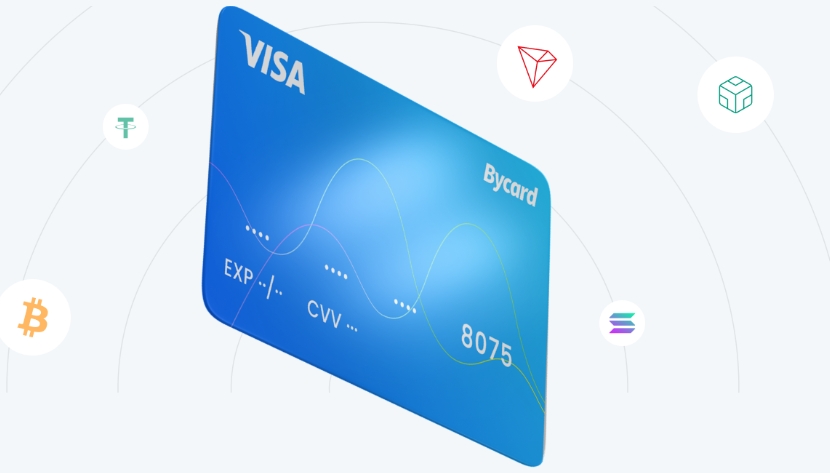
As artificial intelligence (AI) tools become essential for businesses and creators, many professionals face new challenges in managing payments for these services. Monthly bills, recurring international charges, multiple platforms, and subscription renewals can complicate cash flow and financial oversight. Enter Bycard virtual card, a digital payment method designed to make subscription billing, security, and expense tracking simpler and more controlled.
Bycard’s virtual card solution isn’t just another payment method. It is built to handle online-first payments, recurring charges, and cross-border transactions, all while giving you deeper visibility into every penny spent on AI tools. Whether you’re a freelancer, a startup, or a finance team at a growing company, the Bycard virtual card brings structure and clarity to how you pay for subscriptions.
- Bycard Virtual Card: A Preferred Payment System for AI Subscriptions
- Why Virtual Cards Matter for AI Subscriptions
- Bycard Virtual Cards and Their Role in AI Subscription Payments
- Virtual Cards vs Traditional Cards for AI Tools
- How Bycard Improve Cost Control for AI Subscriptions
- Security Benefits of Using Virtual Cards for AI Platforms
- Virtual Cards for Managing Multiple AI Tools at Scale
- Why Bycard Virtual Cards Are Practical for International AI Payments
- BIN Trust and Acceptance for AI Subscriptions
- Payment Reliability as Productivity Infrastructure
- Choosing Virtual Cards as a Long‑Term Payment Strategy
Why Virtual Cards Matter for AI Subscriptions
AI subscriptions are different from traditional one‑off purchases. They are recurring, often billed monthly in foreign currencies, and frequently tied to platforms based outside a user’s home country. This combination creates challenges with traditional debit and credit cards.
Virtual cards solve many of these problems by offering:
- Controlled spending limits for recurring AI subscriptions
- Reduced exposure of primary card details
- Faster setup compared to physical cards
- Better compatibility with international SaaS and AI platforms
For freelancers, startups, and businesses managing multiple tools, virtual cards offer structure and predictability where regular cards often fall short.
Bycard Virtual Cards and Their Role in AI Subscription Payments
Bycard is designed with online‑first payments in mind. Its virtual cards are built to support digital services, especially SaaS and AI subscriptions that require reliable international payments.
With a Bycard virtual card, users can:
- Pay for AI subscriptions without using a primary bank card
- Assign one virtual card per tool for clearer expense tracking
- Pause or cancel a virtual card without affecting other payments
This makes Bycard particularly useful for teams and individuals subscribing to multiple AI platforms at once.
Virtual Cards vs Traditional Cards for AI Tools
When comparing virtual cards to traditional cards for AI subscriptions, the differences are practical rather than theoretical.
Traditional cards:
- Are tied directly to a bank account
- Expose the same card details across multiple platforms
- Can be harder to control when subscriptions auto‑renew
Virtual cards:
- Can be created specifically for AI subscriptions
- Allow limits to be set per tool
- Can be frozen instantly if billing issues occur
Bycard’s approach to virtual cards aligns with how AI tools are billed,recurring, online, and often global.
How Bycard Improve Cost Control for AI Subscriptions
AI costs can add up quickly. A content team might use multiple writing tools, image generators, analytics platforms, and automation software at the same time. Without structure, subscription costs become difficult to track.
Bycard virtual cards support better cost control by:
- Allowing separate cards for each AI subscription
- Making it easier to see which tool is charging what amount
- Reducing surprise charges from forgotten renewals
This is especially valuable for startups and agencies managing AI tools across multiple projects.
Security Benefits of Using Virtual Cards for AI Platforms
Security is a major reason many users switch to virtual cards for AI subscriptions.
Instead of sharing one card across multiple AI platforms, users can issue a dedicated Bycard virtual card for each service. If a platform is compromised or no longer needed, that card can be disabled without affecting other subscriptions.
Key security advantages include:
- Limited exposure of sensitive card details
- Quick deactivation without replacing a physical card
- Reduced risk from data breaches on third‑party platforms
For businesses handling sensitive data through AI tools, this extra layer of control matters.
Virtual Cards for Managing Multiple AI Tools at Scale
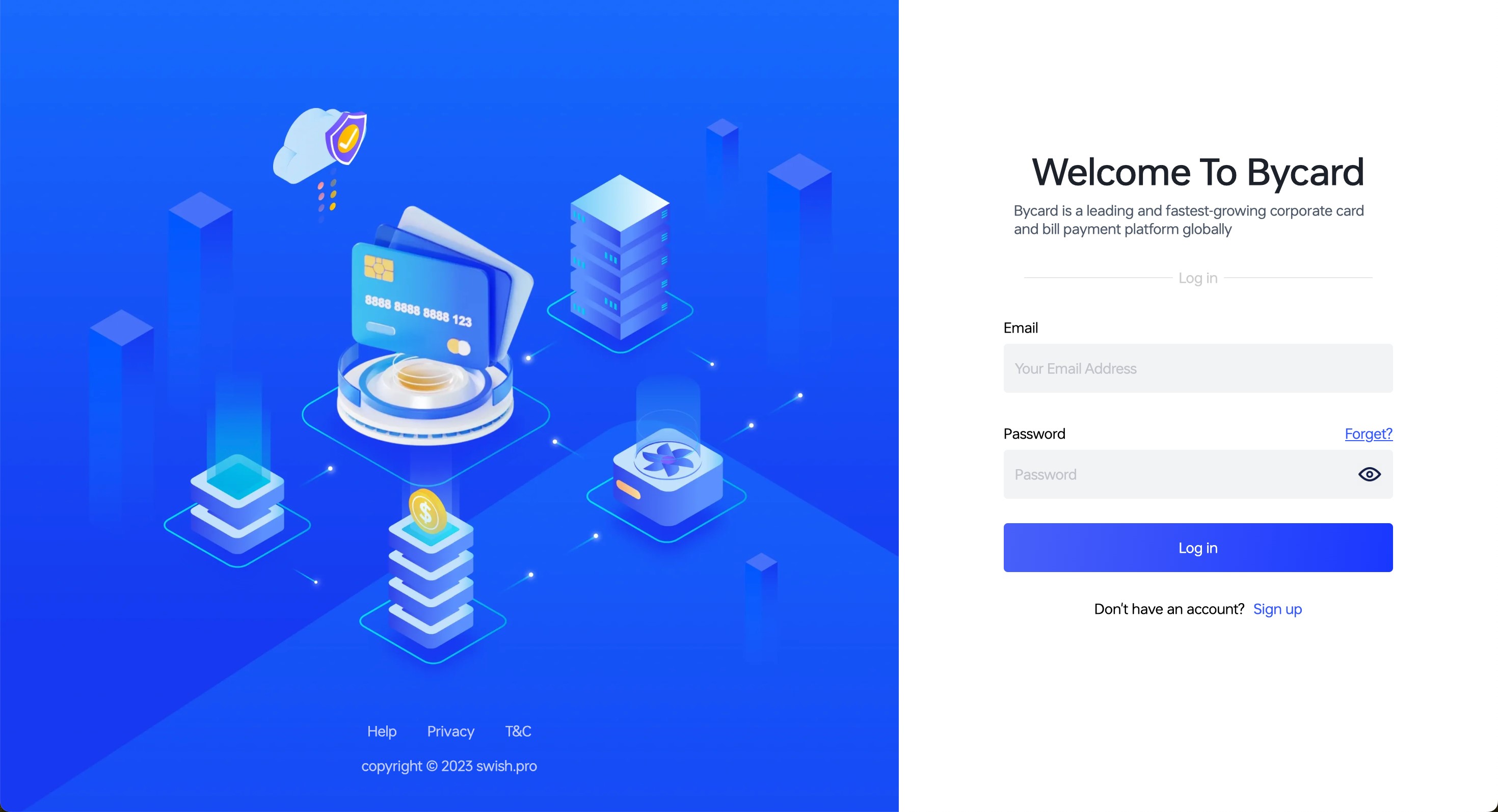
As AI adoption grows, so does the number of subscriptions per user or company. Designers, marketers, developers, and analysts often rely on different platforms simultaneously.
Bycard virtual cards make scaling easier by:
- Supporting multiple active virtual cards at once
- Simplifying reconciliation for finance teams
- Making AI expenses easier to audit and review
Instead of one card handling everything, virtual cards allow payments to be organized around tools, teams, or projects.
Why Bycard Virtual Cards Are Practical for International AI Payments
Many popular AI platforms bill in USD or other foreign currencies. Traditional cards may fail, attract extra fees, or trigger security blocks.
Bycard virtual cards are built to handle international online payments, making them more reliable for global AI subscriptions. This reduces failed transactions and service interruptions that can slow down work.
For users paying for AI tools across borders, this reliability is a major advantage.
How to Create a Bycard Virtual Card (Step by Step)
Creating a Bycard virtual card is designed to be fast and straightforward. Here’s how it works:
- Sign up or log in to your Bycard account
- Complete the required verification process
- Fund your Bycard wallet
- Navigate to the Virtual Cards section on the dashboard
- Click Create Virtual Card
- Set a spending limit and assign a purpose (e.g. AI subscription)
- Generate the card and copy the card details
- Use the virtual card to pay for your AI subscription
BIN Trust and Acceptance for AI Subscriptions
One overlooked but critical factor in virtual card performance is BIN trust and acceptance. BINs (Bank Identification Numbers) determine how merchants and payment gateways classify a card. Many AI platforms quietly block or restrict low‑trust, poorly rated, or unsupported prepaid BINs, which leads to declined transactions even when funds are available.
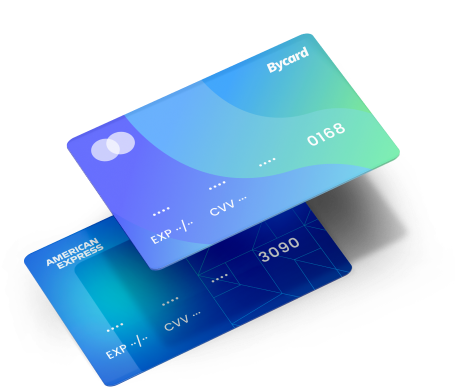
Bycard addresses this by issuing virtual cards backed by trusted Visa and Mastercard BINs, improving acceptance rates across major AI and SaaS platforms. This reduces common errors such as “card not supported” or repeated authorization failures that interrupt active subscriptions.
For users paying for AI tools globally, BIN quality directly affects payment success. Bycard’s multi‑BIN infrastructure helps ensure smoother onboarding, fewer declines, and more reliable recurring billing.

Perfect Card for running ads!
Payment Reliability as Productivity Infrastructure
Payment reliability is often treated as a background concern, but for AI‑driven workflows, it directly affects productivity. Failed subscription payments can lock users out of essential tools, delay projects, or disrupt automated processes that rely on continuous AI access.
Bycard virtual cards reduce these disruptions by offering:
- Stable international payment routing
- Trusted BINs with higher authorization success rates
- Faster resolution when cards need to be paused or replaced
When AI tools remain accessible without billing interruptions, teams spend less time troubleshooting payments and more time delivering results. In this sense, virtual cards become part of productivity infrastructure, not just a financial utility.
Choosing Virtual Cards as a Long‑Term Payment Strategy
AI subscriptions are not going away. As tools evolve, billing models will continue to favor recurring online payments. Choosing virtual cards is less about convenience and more about long‑term financial control.
Bycard positions its virtual cards as a practical solution for this shift, not just for AI subscriptions today, but for the wider SaaS ecosystem that continues to grow around them.
Conclusion
For individuals and businesses paying for AI tools regularly, virtual cards offer clarity, control, and security that traditional cards struggle to match.
Bycard’s focus on virtual cards makes it a strong option for managing AI subscriptions in a structured, predictable way. As AI tools become a fixed part of digital workflows, having the right payment system in place becomes just as important as choosing the tools themselves.

CATEGORIES
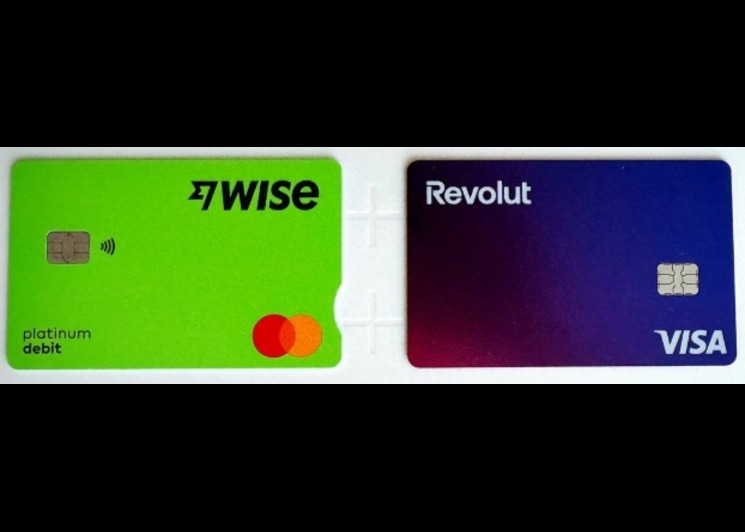
Wise or Revolut? Comparing the Best Multi-Currency Card

Wise Alternatives That Make Payment Faster and Currency Conversion Simple

Wire Transfer vs Bank Transfer for Better & Swift Business Payments

Why Travel Rewards Credit Cards are Highly Important
Why the Ramp Card Might Be the Best Business Card
Why Privacy Card Is Changing Online Payment and Security
