
 Log in
How Credit Card Companies Will Respond to Bilt 2.0
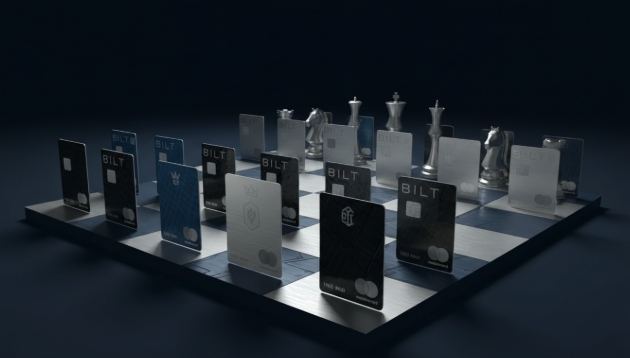
Bilt 2.0 just changed everything, here’s how Chase and Amex will fight back.
The announcement of Bilt 2.0 has sent shockwaves through the credit card industry, and card strategists are now facing a critical question: Should you jump on Bilt’s upgraded offering immediately, or will the major issuers respond with competitive enhancements that make waiting the smarter play? For those planning their wallet lineup over the next 12-24 months, understanding the competitive dynamics at play isn’t just helpful,it’s essential to maximizing long-term value.
The stakes are unusually high this time. Bilt’s original value proposition already disrupted the rent payment space, but the 2.0 enhancements represent a direct assault on the premium travel card category that Chase, American Express, and Capital One have dominated for years. As we analyze the likely responses from these industry giants, one thing becomes clear: the next 18 months will reshape the premium card landscape more dramatically than any period since the Chase Sapphire Reserve launch in 2016.
Who Feels the Heat Most?
Capital One: Fighting on Home Turf
Capital One faces the most immediate pressure from Bilt 2.0, and the reasons are structural. The Venture X, launched with significant fanfare at a $395 annual fee, occupies almost identical positioning to what Bilt 2.0 now offers. Both cards target affluent millennials and Gen Z consumers who value flexibility, premium travel benefits, and lifestyle perks beyond traditional airline loyalty.
What makes this particularly threatening for Capital One is that Bilt’s enhanced transfer partner roster now matches, and in some categories exceeds, what Venture X offers. When you add Bilt’s unique rent payment functionality (still generating 1x points on rent without fees on Bilt 2.0), Capital One suddenly looks like it’s offering less value at a comparable price point.
The Venture X’s $300 annual travel credit and Priority Pass access are no longer differentiators; they’re table stakes that Bilt now matches. Capital One will need to respond, and quickly, or risk watching their flagship premium card become a secondary option for strategic consumers.
American Express: The Dining Wars Escalate
American Express faces a different kind of threat. Bilt 2.0’s enhanced dining multiplier (rumored to be 5x on dining) directly challenges the Amex Gold’s core value proposition. The Gold has long dominated the dining category with its 4x points at restaurants, paired with 4x at U.S. supermarkets. It’s been the go-to card for foodies and everyday spend optimizers alike.
Bilt’s entry into competitive dining rewards forces Amex into an uncomfortable position. Do they enhance the Gold’s already-generous dining multiplier to 5x or 6x, risking margin compression on one of their most popular cards? Or do they differentiate through transfer partner value, Membership Rewards enhancements, or expanded dining credits?
The Platinum card faces less direct pressure but isn’t immune. If Bilt 2.0 succeeds in establishing itself as a premium all-rounder, it could siphon off consumers who might have otherwise started their Amex journey with the Platinum. Amex’s moat has always been its ecosystem and service quality, but younger consumers increasingly prioritize point earning rates and transfer flexibility over concierge services they rarely use.
Chase: The Sapphire Fortress Shows Cracks
Chase’s Sapphire Reserve and Sapphire Preferred have been remarkably stable products, with Chase showing little inclination to match every competitor’s enhancement. The company’s strategy has been to maintain a premium but predictable offering, betting that their Ultimate Rewards ecosystem and broad acceptance would be enough.
Bilt 2.0 tests that assumption. The Sapphire Reserve, at $550 annually, offers 3x on dining and travel, solid, but no longer exceptional. The Preferred at $95 provides 3x on dining, 2x on travel, but lacks the premium perks that Bilt now bundles at a competitive price.
Chase’s vulnerability isn’t about any single feature, it’s about value perception. When consumers compare the total package, Chase needs to ensure the Sapphire brand still feels like the premium choice. That likely means enhancements are coming, even if Chase moves more slowly and deliberately than Capital One or Amex.
The Coming Enhancement Wave (6-18 Month Predictions)
Chase’s Measured Response Strategy
Expect Chase to respond strategically rather than reactively. Based on historical patterns, here’s the likely playbook:
Sapphire Reserve enhancements (12-18 month timeline):
- Dining multiplier increase to 5x (matching Bilt’s rumored rate)
- New streaming or fitness credit ($15-20/month) to add tangible monthly value
- Enhanced cell phone protection or travel insurance benefits
- Possible limited-time transfer bonuses to key partners (Hyatt, United)
Sapphire Preferred positioning:
Chase will likely keep the Preferred as-is for now, using it as the entry point while pushing existing customers toward the Reserve through targeted upgrade offers with statement credits or bonus points.
The wild card is whether Chase launches an entirely new product. They have the infrastructure and customer base to introduce a “Sapphire Elite” or category-specific card (Chase Sapphire Dining?) to directly counter Bilt’s specific strengths. Don’t expect this in the next six months, but 2024-2025 could see Chase expand the Sapphire family.
American Express: Ecosystem Defense
Amex’s response will leverage their greatest strength: the Membership Rewards ecosystem. Rather than simply matching Bilt’s earning rates, expect Amex to add value through:
Gold Card enhancements (6-12 months):
- Increased dining credit from $10/month to $15-20/month
- Expanded “dining” definition to include delivery services and meal kits
- New transfer partner additions, particularly in Asia-Pacific region
- Enhanced Uber Cash or new rideshare partnership
Platinum Card adjustments:
- Better retention offers (expect 60k-80k point offers to become standard)
- New lifestyle credits in categories Bilt doesn’t cover well
- Potential decrease in annual fee or restructuring to create a “Platinum Lite” tier
Membership Rewards program enhancements:
This is where Amex has the most flexibility. Expect:
- Limited-time transfer bonuses (25-40% bonuses) to become more frequent
- New transfer partners announced specifically to counter Bilt’s additions
- Enhanced redemption options for non-transfer uses (better cash-out ratios, expanded “Pay with Points” merchant network)
Capital One’s Urgent Pivot
Capital One has the most to lose and the shortest timeline to respond. Venture X enhancements should appear within 6-9 months:
Immediate priorities:
- Anniversary bonus increase (from 10,000 miles to 15,000-20,000)
- New category bonuses (likely 5x dining, 3x streaming)
- Enhanced hotel status or new hotel transfer partner
- Improved transfer ratios during promotional periods
Medium-term strategy:
Capital One may also reconsider their transfer partner roster. Adding a premium airline partner (Singapore Airlines, Cathay Pacific) would help differentiate from Bilt. They could also introduce a new Venture tier above the X, though this seems less likely given market positioning.
The Dark Horse: Citi’s Opportunity
While not mentioned in the initial pressure analysis, Citi’s Strata Premier (formerly Premier) occupies an awkward middle ground. Bilt 2.0 makes Citi’s offering look dated. However, Citi has shown willingness to aggressively compete in recent years. Don’t be surprised if Citi uses this competitive moment to completely refresh their ThankYou Rewards ecosystem, potentially emerging as a winner by moving faster than the big three.
Current Elevated Offers—Coincidence or Defense?

In the past six months, we’ve seen unusual activity in welcome bonus offers across premium cards:
- Chase Sapphire Preferred: 80,000 points (elevated from standard 60,000)
- Amex Gold: 90,000 points with increased spend requirements
- Capital One Venture X: 100,000 miles plus recent introduction of additional credits
- Citi Strata Premier: 70,000 points with waived annual fee first year
Reading the Tea Leaves
Are these elevated offers merely seasonal marketing, or do they represent defensive positioning ahead of Bilt 2.0’s impact? The evidence suggests the latter.
Historical precedent: When Chase launched the Sapphire Reserve in 2016, competitors responded with elevated offers before rolling out product enhancements. Amex increased Platinum welcome bonuses, Citi enhanced Prestige benefits, and Capital One began developing what would become the Venture X.
The current elevated offer environment mirrors that 2016-2017 period. Issuers are using welcome bonuses to lock in customers before those customers can be poached by Bilt’s attractive new package. It’s cheaper to offer a one-time bonus than to permanently enhance earning rates or benefits.
Strategic Implications for Card Planners
This creates a genuine dilemma for portfolio strategists:
The case for acting now:
- Current elevated offers may represent the best value before product enhancements
- Lock in welcome bonuses now, then potentially enjoy future benefit improvements
- Diversification, holding both Bilt and a competing card provides flexibility
The case for waiting:
- Product enhancements could make the underlying card more valuable long-term
- Welcome bonuses may remain elevated or even increase if competition intensifies
- Avoiding buyer’s remorse if a major issuer launches something significantly better
The hybrid approach makes the most sense for sophisticated strategists: Apply for Bilt 2.0 if it fits your current needs and spending patterns. Simultaneously, stay ready with a Chase or Amex application for when they announce enhancements. Most serious card users can handle multiple new cards across different issuers within a 12-month period without credit score concerns.
What to Watch For
Specific signals that responses are imminent:
1. Sudden changes to retention offers – When existing cardholders start receiving unusually generous retention bonuses, it signals issuers are worried about defection
2. Transfer partner announcements – New airline or hotel partnerships typically precede broader product refreshes
3. Terms and conditions updates – Issuers often update legal language 30-60 days before benefit changes
4. Leaks from industry insiders – The credit card enthusiast community usually catches wind of major changes weeks before official announcements
5. Executive statements – Listen for mentions of “competitive landscape” or “value enhancements” in earnings calls from JPMorgan, Amex, or Capital One
The Verdict: A New Arms Race Begins
Bilt 2.0 doesn’t exist in isolation, it’s a catalyst for the most significant premium card competition we’ve seen in years. For card strategists, this environment presents both opportunity and complexity.
High probability predictions:
- At least two major issuers will announce significant enhancements within 12 months
- Dining category bonuses will see widespread increases (5x becoming the new standard for premium cards)
- Transfer partner rosters will expand across all major programs
- Annual credits will become more flexible and generous
What’s unlikely:
- A race to the bottom on annual fees (premium positioning requires premium pricing)
- Wholesale copying of Bilt’s rent payment feature (too operationally complex for most issuers)
- Massive earning rate increases beyond dining/travel (3x on all purchases would destroy profitability)
The 12-24 month portfolio strategy:
For those planning ahead, consider this framework:
1. Secure your position now: If Bilt 2.0 genuinely fits your spending pattern and you value rent payment functionality, apply. Don’t wait for hypothetical future improvements.
2. Maintain flexibility: Keep at least one card slot available for potential launches or major refreshes from Chase, Amex, or Capital One.
3. Monitor quarterly: Set calendar reminders to check for announcements every 90 days. The competitive response will unfold in stages.
4. Optimize, don’t maximize: Chasing every new offer creates complexity. Focus on 2-3 premium cards that genuinely complement each other.
5. Think ecosystem, not card: The real value is in transfer partners and redemption options. A card’s worth is only as good as what you can do with the points.
Bilt 2.0 has fired the starting gun on a new competitive era. The issuers will respond, not because they want to, but because market dynamics demand it. For card strategists willing to pay attention and move thoughtfully, the next 18 months will offer exceptional opportunities to lock in long-term value as the industry reshapes itself around this new competitive reality.
The question isn’t whether Chase and Amex will fight back. The question is how aggressive they’ll need to be, and how patient you’re willing to be to find out.
Conclusion
Bilt 2.0 has triggered a competitive reset across the premium card space. Chase, American Express, Capital One, and Citi aren’t likely to sit still. Elevated welcome offers are the first defensive move, meaningful earning boosts, richer credits, and transfer partner expansions will likely follow within the next 6–18 months.
For card strategists, this is a rare window. If Bilt 2.0 fits your current spending, especially rent, it’s rational to move now. But don’t overcommit. Keep flexibility in your lineup for the inevitable counterpunch.
This isn’t about picking a winner. It’s about positioning yourself before the next wave of enhancements reshapes the premium landscape again.

CATEGORIES
Wise or Revolut? Comparing the Best Multi-Currency Card

Wise Alternatives That Make Payment Faster and Currency Conversion Simple

Wire Transfer vs Bank Transfer for Better & Swift Business Payments

Why Travel Rewards Credit Cards are Highly Important
Why the Ramp Card Might Be the Best Business Card

Why Sales and Discounts Make You Overspend
