
 Log in
Are Virtual cards Safe for Bill Payment, Crypto Exchanges and Digital Wallets
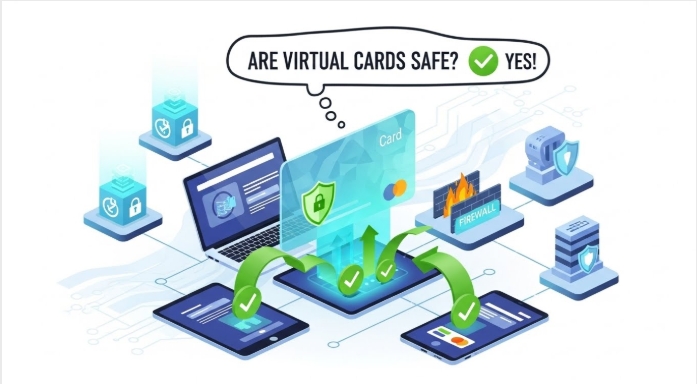
Are Virtual Cards Safe? Entering your card details online can feel risky, whether it’s for ad platforms, crypto exchanges, or subscription services. Virtual cards provide a layer of protection by keeping your main account secure, limiting exposure, and giving you control over spending. They work especially well for bill payments, crypto transactions, and digital wallets, and platforms like Bycard add features that close real-world security and operational gaps.
- Are Virtual cards Safe for Bill Payment, Crypto Exchanges and Digital Wallets
Why Virtual Cards Protect You and Why It Matters
Virtual cards aren’t just a “digital version of a card.” They are purpose-built to reduce risk and increase control for online payments. Here’s why they matter:
- Unique card numbers: Every virtual card has its own number, separate from your main bank account. If a merchant is breached or a charge is stolen, your primary funds remain protected. Bycard supports instant card issuance with multiple BINs (Visa/Mastercard), so you can create and rotate cards fast.
- Spending controls: Virtual cards let you set limits, lock/unlock cards, or restrict them to a merchant or campaign. Bycard highlights features like instant freezes and per-campaign controls, giving advertisers, subscription users, and crypto investors fine-tuned financial control.
- No physical card to steal: Without plastic, there’s nothing a thief can copy at a POS terminal. This is especially useful for online-first users who rarely use physical cards.
- Tokenization + device-level security: When paired with digital wallets, virtual cards get double-layer protection. Tokenization hides the card number from merchants, while device-level security (PINs, biometrics, encryption) keeps it safe even if your device is compromised.
- Operational transparency and auditability: Bycard’s platform adds a layer of practical control: track receipts, reconcile transactions, and manage budgets centrally. Safety isn’t just about preventing fraud; it’s about knowing where every card and transaction stands.
Why it matters:
- Reduces risk from large-scale merchant breaches.
- Gives users confidence to manage multiple subscriptions or ad campaigns without fear of leaks.
- Helps teams operationalize safety, turning virtual cards from a theoretical protection into a day-to-day tool.
Are Virtual cards safe for bill payments?
Recurring bills, streaming platforms, utilities, and subscriptions, are prime points where card fraud or unwanted charges happen. Virtual cards reduce these risks significantly.
Key reasons virtual cards are trusted for bills:
- Single-merchant locking: Cards can be locked to one vendor. Even if compromised, they can’t be used elsewhere.
- Unique card numbers: Each card has a fresh number, reducing exposure of your main account.
- Instant freeze or delete: Suspicious activity? Freeze or delete a virtual card instantly without affecting your main bank account.
- Practical tips: Use a unique card per subscription or assign a dedicated recurring card per vendor.
Bycard’s bill-pay and budget-management tools let you manage all recurring payments in a single dashboard, making rotation and reconciliation effortless.
A 2024 global payments study found that over 41% of online consumers prefer virtual cards for subscription billing, highlighting trust in their security and control.
Are Virtual cards safe for crypto exchanges?
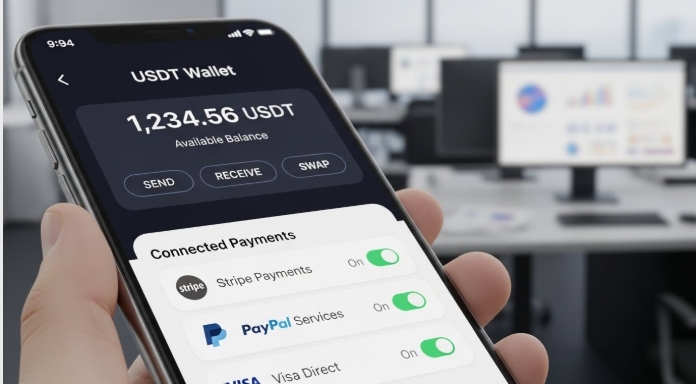
Crypto users are a prime target for fraud, making virtual cards a popular protective tool.
What virtual cards do for crypto buys:
- Hide your primary bank details from the exchange.
- Let you fund a single, limited card for one exchange or one purchase (so any compromise is limited).
What they don’t do:
- Eliminate account-level attacks (e.g., account takeover due to weak exchange security).
- Replace identity verification or KYC that exchanges require.
Fund a single-purpose virtual card per exchange, reconcile with Bycard’s tools, and store long-term crypto in secure wallets, not exchanges.
Chainalysis reported a 28% drop in crypto-related fraud attempts among users who switched to virtual cards for funding accounts.
Are Virtual cards safe for digital wallets?
Digital wallets like Apple Pay, Google Wallet, and PayPal already provide tokenization. Pairing them with a virtual card adds an additional layer of protection.
Why they work well together:
- Double obscurity: Virtual card hides your bank details; wallet tokenization hides the virtual card number.
- Device-level security: Biometrics, PINs, and device encryption add extra protection.
- Instant card replacement: Replace or delete cards without touching your main account.
Bycard virtual cards support multiple currencies and global acceptance, allowing wallet payments without exposing your financial information.
Where Bycard’s product details strengthen the safety case
- Instant card issuance: Create a card in minutes for campaigns, subscriptions, or vendors.
- Ad-platform-specific cards: Supports Facebook Ads, Google Ads, TikTok, Outbrain, and more; reduces cross-account fraud.
- Crypto conversion + USDT wallet: Convert crypto to fiat and track transactions centrally, minimizing errors and exposure.
- Budgeting, receipts, and reconciliation: Provides operational control, making safe payments easier to audit and manage.
How to Get Your Bycard Virtual Card
Getting a Bycard virtual card is fast and straightforward:
- Sign up or log in on Bycard website
- Navigate to the “Virtual Cards” section of your dashboard
- Choose the type of card you need, subscription, ad campaign, or multi-use
- Set spending limits, merchant restrictions, currency, and expiration
- Issue the card instantly for immediate online use
- Optionally, add it to your digital wallet for added security

Perfect Card for running ads!
Refunds, chargebacks and practical quirks
Are Virtual Cards Safe when it comes to refunds and everyday quirks? Most people assume virtual cards complicate things like chargebacks, physical verification, or subscriptions, but the reality is more practical than expected.
- Refunds: If a virtual card is expired or deleted, refunds normally map back through the issuing system to your account. You don’t lose refunds just because the number changed, but the timing depends on merchant processes. (Bycard’s receipts and reconciliation tools make tracking refunds easier.)
- Hardware cases: Hotels or car rentals may still require physical verification (not a safety flaw, a merchant policy). Use a physical card or notify the merchant if needed.
- Subscription compatibility: Some merchants may block single-use virtual cards, test a reusable, limited card if you plan to use it for recurring billing.
Conclusion
Are virtual cards safe? Yes, when used correctly they drastically reduce the risk of exposing your primary banking details, help you control subscriptions, and lower the attack surface for ad spend and crypto on-ramps. Bycard’s stack, instant virtual cards, ad-platform solutions, crypto conversion, and operational tools like receipts and reconciliation, addresses both the security and the day-to-day management gaps that most articles skip. If you run ads, manage subscriptions, or fund crypto from online platforms, issuing dedicated virtual cards through a platform like Bycard is one of the most pragmatic safety moves you can make.

CATEGORIES
Wise or Revolut? Comparing the Best Multi-Currency Card

Wise Alternatives That Make Payment Faster and Currency Conversion Simple
Wire Transfer vs Bank Transfer for Better & Swift Business Payments

Why Travel Rewards Credit Cards are Highly Important
Why the Ramp Card Might Be the Best Business Card
Why Sales and Discounts Make You Overspend
