
 Log in
Fraud Patterns Virtual Cards Block That Physical Cards Cannot
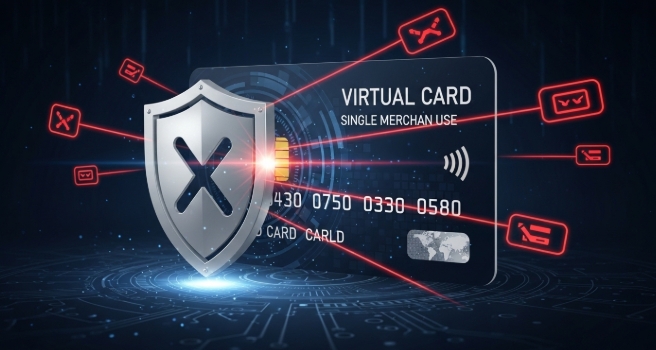
Fraud has changed. It’s no longer about stolen wallets, it’s digital, fast, and often invisible until you see the aftermath. Physical cards were designed for a world of plastic and swipes, but the threats we face today demand a very different tool.
That’s where virtual cards come in, especially solutions like Bycard, which are built for modern digital risk, not analog assumptions. In this article, we’ll explore exactly which fraud patterns Virtual Cards block that physical cards cannot, and how Bycard’s features, controls, and workflows make a real-world difference for businesses and individuals alike.
- Fraud Patterns Virtual Cards Block That Physical Cards Cannot
- Why Physical Cards Still Struggle With Fraud
- How Virtual Cards Work Differently
- Fraud Pattern #1: Merchant Database Breaches
- Fraud Pattern #2: Subscription Renewal Abuse
- Fraud Pattern #3: Cross-Border Fraud Attempts
- Fraud Pattern #4: Card Testing Attacks
- Fraud Pattern #5: Internal Misuse and Shared Access
- Fraud Pattern #6: Slow Fraud Response
- Fraud Pattern #7: Phishing and Social Engineering Scams
- Regulatory & Compliance Angle: PCI DSS Scope Reduction
- Why Bycard Stands Out in Practical Use
- Physical Cards vs Virtual Cards ( Bycard)
Why Physical Cards Still Struggle With Fraud
Physical cards rely on a single, long-lived card number. Once that number is compromised, through a data breach, phishing scam, or malware, attackers can reuse it across merchants and platforms. According to fraud analytics, reused card details account for the majority of card-not-present fraud worldwide.
In an increasingly online-first economy, this is a real structural weakness, not just bad luck.
Virtual Cards solve this by design. They are not simply digital versions of physical plastic, they are distinct, per-purpose payment identities that can be controlled, limited, and destroyed instantly.
How Virtual Cards Work Differently
Understanding what makes Virtual Cards unique helps explain why they block fraud patterns physical cards cannot.
Unlike a reusable physical number, virtual card let you:
- Issue unique card numbers per vendor or campaign.
- Apply spending caps and expiry dates.
- Limit them to specific merchant categories.
- Freeze or deactivate them instantly if anything looks off.
This combination of features is foundational, and something physical cards simply were not designed to offer.
Fraud Pattern #1: Merchant Database Breaches
Physical cards: If a merchant is breached, stolen card details can be reused everywhere.
Virtual Cards: A merchant-specific card exposed in a breach is useless elsewhere, and can be instantly retired.
With Bycard, you can generate a unique virtual card for each vendor or platform, lock it to that merchant’s category, and cap its spend. If that merchant is compromised or misused, you deactivate just that card, your core funds remain safe.
Fraud Pattern #2: Subscription Renewal Abuse
Subscription services often lure users with free trials that quietly turn into recurring charges. This “subscription fraud” happens when users forget ongoing payments, or when third parties misuse stored card details.
- Physical cards: Recurring charges continue until a card is cancelled.
- Virtual Cards: You set expiry or limits, so cards automatically fail after the intended period.
Bycard’s Dashboard lets you assign a virtual card per subscription with a clear end date and spending cap, eliminating surprise renewals, and the stress of chasing refunds.
Fraud Pattern #3: Cross-Border Fraud Attempts
Once physical card details are exposed online, fraudsters from anywhere can try unauthorized charges.
- Physical cards: Often enabled for global use by default.
- Virtual Cards: Can be restricted by country, merchant code, and usage window.
Bycard supports global spending in multiple currencies and lets you manage where and how cards are used, giving you more control over cross-border risk.
Fraud Pattern #4: Card Testing Attacks
Fraud bots often make tiny charges first to check whether card details are live, a tactic called “card testing.”
- Physical cards: A reusable number gives bots many opportunities to test.
- Virtual Cards: Low limits and single-use numbers make testing ineffective.
With Bycard, you can set hard caps on every virtual card so even if attackers try small charges, they hit limits immediately and get blocked, before real loss happens.
Fraud Pattern #5: Internal Misuse and Shared Access
Often, fraud isn’t external, it’s accidental or intentional misuse by team members.
- Physical cards: Shared details mean shared risk and poor transaction accountability.
- Virtual Cards: You issue separate cards per user or project with clear limits.
Bycard’s multi-user support and role-based issuance mean every person or department can have their own card, with spending rules tied to real business purposes. Finance teams see clean tags and logs for easier reconciliation.
Fraud Pattern #6: Slow Fraud Response
Reacting slowly to fraud increases losses.
- Physical cards: Card cancellation requires a bank call, new card issuance, and updating everywhere it was used.
- Virtual Cards: Immediate freeze or deactivation with no impact on other cards.
Bycard lets you manage fraud response in seconds from a centralized dashboard, freeze, replace, and resume legitimate operations without disruption.

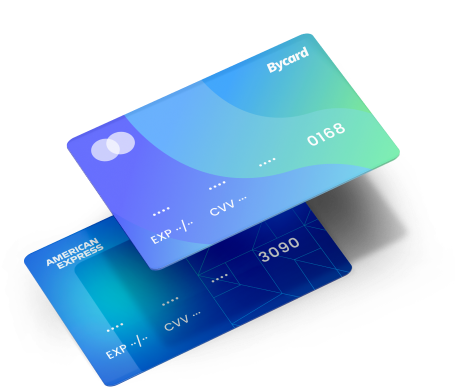
Perfect Card for running ads!
Fraud Pattern #7: Phishing and Social Engineering Scams
Phishing emails and spoofed invoices remain common vectors for fraud, attackers trick users into sharing sensitive details.
- Physical cards: Once exposed, card data becomes reusable.
- Virtual Cards: Exposed virtual card details are useless once the card is closed.
Bycard’s real-time transaction tracking and instant deactivation features give teams the upper hand against these tricks. You can issue one-time cards for suspicious-looking payment requests and delete them the moment a pattern seems risky.
Regulatory & Compliance Angle: PCI DSS Scope Reduction
Beyond fraud, compliance matters, especially with standards like PCI DSS (Payment Card Industry Data Security Standard).
Physical cards require strict storage and monitoring of cardholder data across systems, increasing audit costs and operational complexity.
Virtual Cards, particularly with providers like Bycard, reduce the amount of sensitive data you hold or process:
- Primary account information stays protected.
- Merchant-specific virtual numbers limit exposure.
- Fewer systems need to be in PCI scope.
This can lead to significant compliance cost savings and reduced audit effort, a side benefit many competitors don’t articulate clearly in their content.
Why Bycard Stands Out in Practical Use
- Bycard’s offering isn’t just theoretical, it’s built around real usability:
- Instant virtual card creation: Ready in minutes, not days.
- Safe transactions & compliance: Built-in fraud protections and PCI compliance.
- Smart spending controls: Caps, expiry dates, and merchant locks.
- Global acceptance: Works across borders and platforms.
- Crypto payment support: Fund cards via USDT or wire.
- Budget and expense tracking: Real-time visibility into spend and reconciliation tools.
These features make Bycard a strong choice not just for fraud prevention, but for day-to-day financial control, spend governance, and operational efficiency.
Physical Cards vs Virtual Cards ( Bycard)
| Risk or Need | Physical Cards | Virtual Cards (Bycard) |
| Merchant breach exposure | High | Contained |
| Subscription control | Weak | Strong |
| Card testing defense | Low | High |
| Team spending control | Limited | Clear & separate |
| Cross-border fraud risk | Broad | Restrictable |
| PCI DSS exposure | High | Smaller footprint |
| Fraud response speed | Slow | Instant |
| Audit & reconciliation ease | Moderate | Better |
Conclusion
Fraud isn’t going away, it’s evolving. Physical cards were never built for the intricate, automated risks of online commerce and subscription ecosystems. Virtual Cards, especially when integrated with a platform like Bycard, offer a practical architecture for blocking fraud patterns physical cards simply cannot.
Whether you’re a finance professional, a business owner, or someone managing multiple tools and subscriptions, Bycard Virtual Cards give you control, visibility, and peace of mind, all in a modern, flexible payment system.

CATEGORIES
Wise or Revolut? Comparing the Best Multi-Currency Card

Wise Alternatives That Make Payment Faster and Currency Conversion Simple
Wire Transfer vs Bank Transfer for Better & Swift Business Payments

Why Travel Rewards Credit Cards are Highly Important
Why the Ramp Card Might Be the Best Business Card
Why Privacy Card Is Changing Online Payment and Security
