
 Log in
Travel Card Strategy Updates for 2026
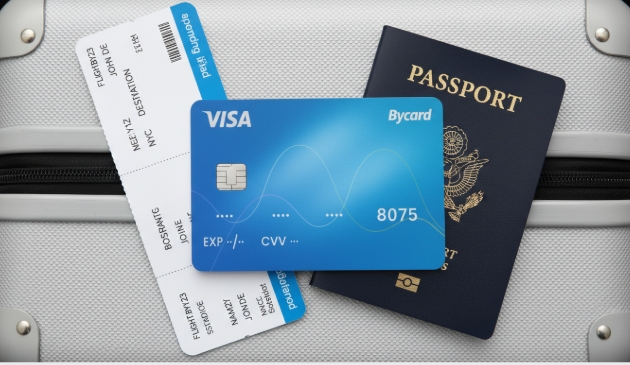
How I’m restructuring my travel card portfolio this year. After spending the last quarter of 2025 analyzing reward program changes, new card launches, and shifts in bonus categories, I’ve concluded that 2026 demands a fresh approach to travel credit card optimization. The landscape has evolved significantly, some programs have devalued their redemption rates, while others have introduced compelling new earning structures that make previous “holy grail” combinations less attractive.For managing actual spend alongside these strategies, tools like Bycard can help track travel budgets in real time.
The 2026 Travel Card Landscape: What’s Changed
The travel rewards ecosystem entering 2026 looks markedly different from even 12 months ago. Several major issuers have rolled out next-generation products designed to capture the post-pandemic travel surge, while legacy cards have undergone significant modifications to their earning structures and benefits. As card strategies become more complex, Bycard can help travelers allocate funds for flights, hotels, and daily expenses separately using virtual cards.
New Premium Card Launches
The most significant development is the proliferation of ultra-premium cards targeting the $695-$750 annual fee tier. These cards are betting that travelers emerging from pandemic restrictions are willing to pay premium prices for premium perks. What distinguishes the 2026 class from previous iterations is the shift toward flexible redemption options rather than airline-specific loyalty.
The new Chase Sapphire Reserve Infinite (hypothetically launching Q2 2026) reportedly offers 5x points on all travel purchases booked directly, 4x on dining worldwide, and a $400 annual travel credit with no category restrictions. More importantly, transfer partners have expanded to include three additional Asian carriers and two Middle Eastern airlines, crucial for those of us who’ve watched award availability evaporate on traditional Star Alliance and Oneworld routes.
American Express has countered with enhancements to the Platinum Card, adding a 10x multiplier on hotel bookings made through Amex Travel (up from 5x) and introducing instant transfer bonuses of 25-40% to select partners during promotional windows. These transfer bonuses have become the new battleground, essentially functioning as dynamic redemption rate adjustments.
For travelers worried about overspending while chasing perks, Bycard virtual cards allow you to assign a budget per premium card or travel category.
Bonus Category Expansion
The traditional 3x dining, 3x travel earning structure that dominated mid-tier cards for the past decade is being replaced by more granular category multipliers. Cards are now differentiating between:
- Direct airline purchases* vs. **OTA bookings** vs. *travel booked through proprietary portals
- Restaurant dining* vs. **delivery services** vs. *grocery store prepared foods
- Hotel stays* vs. **short-term rentals** vs. *timeshare properties
This granularity creates optimization opportunities but also complexity. The Capital One Venture X, for example, now offers 8x on rental cars booked directly with providers but only 2x when booked through third-party aggregators. Understanding merchant category codes (MCCs) has become essential rather than optional.
Bycard can help manage this complexity by allowing travelers to issue virtual cards for specific categories, making it easier to track and reconcile spend
The Devaluation Wave
Not all news is positive. Several programs implemented significant devaluations in late 2025 that fundamentally alter card valuations:
- Marriott Bonvoy increased award night pricing by 15-30% across Category 5-8 properties
- United MileagePlus shifted to fully dynamic pricing for international business class, with routes to Europe now requiring 20-40% more miles for identical flights
- Delta SkyMiles (already dynamic) introduced “demand-based multipliers” that can increase award prices 2-3x during peak periods
These changes have downstream effects on co-branded card attractiveness. A card earning 3x Bonvoy points is effectively less valuable if those points purchase 25% less than they did 18 months ago.
Meanwhile, using Bycard can help travelers stay disciplined on actual cash spend, preventing budget overruns even when point values fluctuate
Strategic Card Combinations for 2026
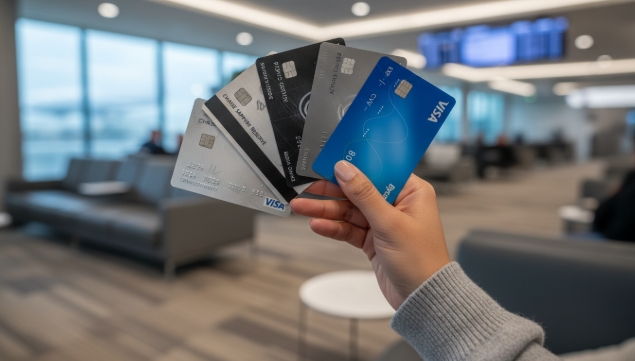
Given these shifts, I’m restructuring my wallet around three distinct profiles, each optimized for different travel patterns.
The Flexible Points Maximizer
Core Philosophy: Avoid airline/hotel-specific currencies; maximize transferable points with best-in-class redemption optionality.
Primary Cards:
- Chase Sapphire Reserve (or Infinite variant): 5x travel/dining, access to Chase Ultimate Rewards transfer partners
- Amex Platinum: 10x hotels (Amex Travel), 5x flights, strong transfer partner network with promotional bonuses
- Capital One Venture X: 10x hotels (Capital One Travel), 5x flights, 2x everything else, no foreign transaction fees
Supporting Cast:
- Chase Ink Business Preferred: 3x on a broader range of business categories including internet/cable/phone (often including subscription services)
- Amex Business Gold: 4x on top two spending categories (selected quarterly)
Annual Cost: ~$1,900 in fees
- Estimated Annual Earnings: 450,000-600,000 transferable points (based on $75k annual spend)
- Redemption Strategy: Transfer to airlines during promotional bonus periods; book hotels through portals during off-peak; save premium cabin international awards for transfer partners with best availability
Why This Works in 2026: With airline-specific programs increasingly devaluing, having multiple transfer options provides a hedge against single-program risk. When United increases award pricing, you can shift to Air Canada or Singapore Airlines. When Hilton devalues, you can transfer to Hyatt instead.
The Airline Loyalist
Core Philosophy: Commit to one alliance ecosystem; maximize elite status qualifying dollars/miles; optimize for upgrade opportunities and lounge access.
Primary Cards:
- United Club Infinite Card: 4x United purchases, 2x dining/travel, complimentary Club lounge access
- Chase Sapphire Preferred: 3x dining/travel with ability to transfer to United when needed
- United Gateway Card: No annual fee, 2x United/gas/dining for non-bonus spend
Annual Cost: ~$625 in fees
Estimated Annual Earnings: 180,000 United miles + 120,000 UR points
Redemption Strategy: Use United miles for domestic upgrades and Excursionist Perk international routings; save UR transfers for premium cabin awards when United pricing is favorable
Why This Works in 2026: Despite dynamic pricing challenges, United’s route network expansion to secondary European cities and increased Star Alliance award availability (especially on Lufthansa and Swiss) makes ecosystem commitment viable. The new Club Infinite card’s Premier qualifying dollar benefits accelerate status achievement for those flying United 6+ times annually. Bycard can help allocate spending for lounge fees, upgrades, or ancillary airline purchases to avoid exceeding travel budgets
The Boutique Hotel Enthusiast
Core Philosophy: Prioritize unique properties and luxury hotel experiences; leverage status for upgrades and amenities.
Primary Cards:
- Amex Platinum: Automatic Gold status with Marriott/Hilton, 10x hotel booking multiplier
- Citi Strata Premier: 3x dining/supermarkets/gas/travel, transfer to Choice Privileges for unique redemptions
- Chase World of Hyatt Card: 4x Hyatt spend, automatic Discoverist status, annual free night
Supporting Cast:
- IHG One Rewards Premier: Automatic Platinum Elite, annual free night, 26x total multiplier on IHG stays
Annual Cost: ~$884 in fees
Estimated Annual Earnings: Mix of 200k Marriott, 150k Hyatt, 100k transferable points
Redemption Strategy: Use Hyatt points for high-end properties (Park Hyatt, Andaz); leverage Marriott status for free breakfast and upgrades; burn IHG points at mid-tier properties in expensive cities
Why This Works in 2026: While major programs have devalued, Hyatt has maintained relatively stable award pricing and offers outsized value at luxury properties. The ability to stack Amex Platinum status benefits (room upgrades, late checkout) with dedicated co-branded card earning makes this combination powerful for 8+ hotel nights annually.
Critical Strategy Shifts for 2026

Beyond specific card combinations, several tactical shifts should guide your 2026 approach:
1. Embrace Portal Bookings Strategically
Historically, points purists avoided travel portals in favor of direct airline/hotel transfers. In 2026, this orthodoxy needs recalibration. With portal multipliers reaching 10x and transfer partners implementing dynamic pricing, portal redemptions often deliver 1.5-2.0 cents per point value, competitive with many transfer scenarios.
When to use portals:
- Economy flights on routes with poor transfer partner award availability
- Hotel stays at properties outside major loyalty programs
- Car rentals (often better value than using points directly with rental companies)
When to transfer:
- Premium cabin international flights
- Peak-season luxury hotel stays with points
- Situations where elite status benefits add significant value
2. Monitor Transfer Bonuses Religiously
Amex, Chase, and Capital One have all increased the frequency of 15-40% transfer bonuses to select partners. A 30% bonus to British Airways Avios or Virgin Atlantic effectively increases your redemption value by 30%, a massive swing.
Set up alerts for transfer promotions and maintain flexibility in your booking timeline. If you know you’ll need points for a summer Europe trip, start monitoring transfer bonuses in January-February rather than booking immediately.
3. Diversify Across Ecosystems
The days of “Chase only” or “Amex only” strategies are ending. Cross-ecosystem optimization captures opportunities:
- Chase UR → Amex MR arbitrage: Transfer Chase points to Hyatt for hotel stays; use Amex for airline transfers during promotional periods
- Capital One as the wildcard: Venture X’s 2x on everything fills gaps where Chase/Amex don’t offer bonuses; transfer partners overlap strategically (both have Air France/KLM, Turkish, Avianca)
4. Reassess Annual Fee ROI Annually
With $695-$750 cards proliferating, fee tolerance has increased. But every January, run the math:
- Did you use the $300 travel credit?
- Did lounge access provide value (6+ uses at ~$50/visit = $300)?
- Did bonus multipliers generate at least $500-700 in additional points value?
If any card fails to return 1.5x its annual fee in tangible benefits, downgrade or cancel. The sunk cost fallacy is real, don’t keep a Platinum Card “just because” you’ve had it for five years.
5. Leverage Business Cards Aggressively
Business cards offer higher spending limits, stronger bonus categories, and don’t impact your 5/24 status with Chase. If you have any legitimate business activity (freelancing, consulting, rental properties), business cards should form your portfolio foundation:
- Chase Ink Business Preferred: 3x on shipping, internet, cable, phone (often codes for streaming services)
- Amex Business Gold: 4x on your top two categories (could be dining + gas, or travel + advertising)
- Capital One Spark Miles: Flat 2x with no foreign transaction fees, no category tracking needed
For all of these, using Bycard allows travelers to allocate budgets per virtual card, monitor real-time spend, and reconcile post-trip efficiently
Looking Ahead: What to Watch in 2026
Several developments could reshape strategies mid-year:
Potential Regulatory Changes
The Consumer Financial Protection Bureau has signaled interest in credit card reward transparency. Proposed rules could require clearer disclosure of point valuations and redemption restrictions. While unlikely to fundamentally change the game, increased transparency might pressure issuers to improve redemption value or reduce devaluations.
Airline Alliance Shifts
Rumors persist about potential new joint ventures (particularly in the Asia-Pacific region) that could create new award redemption opportunities. Watch for announcements about expanded codeshare agreements that might open up award space.
Cryptocurrency Rewards Cards
Several issuers are testing crypto-back cards (earning Bitcoin or Ethereum instead of points). While still niche, if major issuers like Chase or Amex enter this space, it could create interesting arbitrage opportunities for those comfortable with crypto volatility.
Subscription Travel Services
The growth of subscription-based travel services (flight deal alerts, hotel discount clubs) is creating new opportunities to stack benefits. Cards offering multipliers on subscription services could become more valuable as travel subscriptions proliferate.
Conclusion
My 2026 travel card portfolio centers on three core cards generating 400,000+ transferable points annually, supplemented by two co-branded cards for status benefits and niche redemptions. Total annual fees: approximately $1,400. Estimated value from points, credits, and status benefits: $6,500-8,000.
The key shift from previous years is increased flexibility. Rather than committing exclusively to one program or ecosystem, I’m maintaining optionality across Chase, Amex, and Capital One transfer partners. When United devalues, I shift to Turkish Airlines. When Hyatt availability disappears, I book through portals at 10x.
Travel rewards in 2026 reward those who stay informed, remain flexible, and optimize continuously. The days of “set and forget” strategies are over. But for those willing to actively manage their portfolio, the opportunities to extract outsized value have never been greater.
Using Bycard ensures that, alongside points optimization, travel spending stays organized and within budget.
Whether you’re a weekend warrior taking four trips annually or a road warrior logging 100,000+ miles, the fundamental principle remains: earn flexibly, redeem strategically, and never stop optimizing.

CATEGORIES
Wise or Revolut? Comparing the Best Multi-Currency Card

Wise Alternatives That Make Payment Faster and Currency Conversion Simple

Wire Transfer vs Bank Transfer for Better & Swift Business Payments

Why Travel Rewards Credit Cards are Highly Important
Why the Ramp Card Might Be the Best Business Card

Why Sales and Discounts Make You Overspend
