
 Log in
6 Online Shopping Scam Tactics Used on Instagram and TikTok Shops
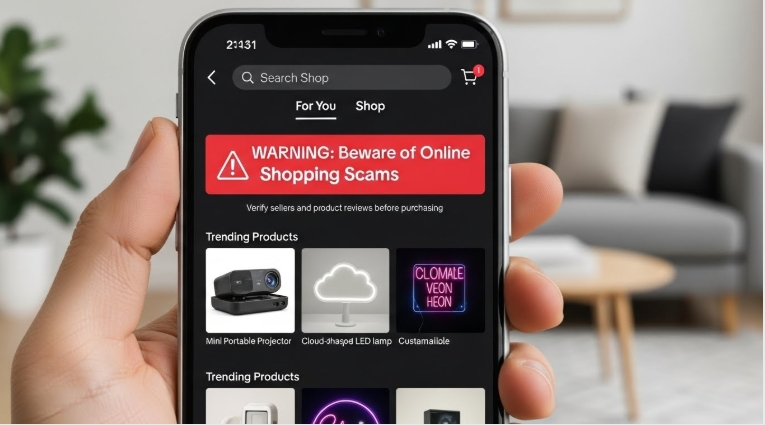
Online Shopping Scam tactics are becoming increasingly common as social media shopping, especially through Instagram and TikTok Shops, becomes part of everyday life for millions of people. With just a few taps, you can find trending fashion, gadgets, beauty items, and more. But this convenience comes with risk: sophisticated scams are designed to take your money, your data, or both. Tools like Bycard can help protect your payments, giving you virtual cards, spending controls, and real-time tracking to shop safely.
Reports from fraud watch networks and consumer organizations show that Online Shopping Scam incidents have risen sharply, particularly around social media ads and influencer-style posts. Nearly 36% of U.S. adults say they’ve bought something online that either never arrived or was counterfeit and wasn’t refunded, highlighting how widespread these scams have become.
- 6 Online Shopping Scam Tactics Used on Instagram and TikTok Shops
- How Online Shopping Scam Tactics Exploit Social Commerce
- The Financial and Emotional Impact of Online Shopping Scams
- Ways to Avoid Online Shopping Scams
- Why Virtual Cards and Enhanced Security Matter
- Bycard: Safer Payments for Social Shopping
- Steps for Safer Social Shopping
- What to Do If You’ve Been Scammed
How Online Shopping Scam Tactics Exploit Social Commerce
1. Fake Shops and Impersonation
Scammers often create Instagram or TikTok accounts that mimic legitimate brands. They closely copy logos, language, and visual identity to trick users into thinking they’re dealing with an authentic seller. Once you begin the checkout process, these scams often lead you to unsafe external payment links that open the door to fraud or personal data theft.
This type of Online Shopping Scam is effective because it exploits the trust users place in visually appealing and professionally designed profiles.
2. Too‑Good‑to‑Be‑True” Pricing
This is one of the most effective Online Shopping Scam hooks. Scammers list high‑demand items at huge discounts, sometimes 70%‑80% off retail price. Legitimate retailers rarely discount this deeply without clear brand communication.
These deals often come through:
- viral TikTok videos,
- Instagram ads, or
- direct messages on social platforms.
After payment, victims either receive nothing or a poorly made knockoff.
With some scams, users are redirected from Instagram or TikTok to what looks like a real checkout page, but it isn’t. These fake pages can collect:
3. Phishing and Malicious Redirects
- Payment card numbers
- Billing information
- Email and login credentials
This is a core part of many Online Shopping Scam setups because once scammers have this data, they can use it for unauthorized purchases or sell it on dark web markets.
4. Non‑Delivery or Counterfeit Goods
Even when a scammer gets past your defenses and you think you’ve made a valid purchase, you may experience:
- No delivery, ever
- Fake tracking numbers that never update
- Goods that look nothing like what was shown
According to consumer protection studies, the majority of victims of Online Shopping Scam incidents report never receiving the goods they paid for. This is particularly prevalent with overseas sellers advertising trendy items on social platforms.
5. Unusual Payment Requests
Beware when a seller asks you to:
- pay through peer‑to‑peer apps (e.g., Zelle, Venmo),
- send money via gift card codes, or
- complete a bank transfer outside verified checkout.
These methods often lack buyer protection, making refunds nearly impossible if you get scammed.
6. Inventory Clearance & Subscription Traps
Scammers sometimes promote “inventory liquidation” or “going‑out‑of‑business” sales to create false scarcity. These are Online Shopping Scam tactics meant to make you act without thinking.
Additionally, fake “free trials” for beauty products or supplements may actually enroll you in costly monthly subscriptions you didn’t authorize.
The Financial and Emotional Impact of Online Shopping Scams
An Online Shopping Scam isn’t just about running out of money. It can lead to:
- Unauthorized transactions on your card
- Account takeover if login information is stolen
- Stress and embarrassment from being misled
Consumer behavior research also shows that people who fall victim to a scam are less likely to trust online shopping again, even when engaging with reputable sellers, which harms confidence in digital commerce.
Ways to Avoid Online Shopping Scams
Here are concrete strategies to reduce your chances of becoming part of an Online Shopping Scam on social platforms:
1. Check Seller Credibility
Look for:
- Verified store badges
- Consistent branding
- Legitimate reviews with real photos
If a new account suddenly appears with heavy promotions but no history, be cautious.
2. Stay Inside the Platform’s Checkout
Avoid clicking external payment links and complete purchases within Instagram or TikTok Shops. Apps often offer buyer protections for in‑platform transactions.
3. Use Secure Payment Methods
Use credit cards or virtual cards, not direct bank transfers, so you have dispute rights and protection if something goes wrong.
4. Watch for Red Flags in Ads
Urgent language like “Only 2 left!” or “Limited time only” combined with steep discounts is a common trigger tactic in many Online Shopping Scam schemes.
Why Virtual Cards and Enhanced Security Matter
Virtual cards like those offered by platforms such as Bycard are a powerful weapon in defending against Online Shopping Scam risks.
What Virtual Cards Do
A virtual card gives you a temporary or single‑use number, separate from your main bank account. This means:
- Your real card number remains private
- If a scammer obtains the virtual details, they cannot access your primary account
- You can set spending limits or merchant restrictions
This adds a strong layer of defense when shopping online especially on platforms where you may be unsure of seller legitimacy. Virtual cards also provide real‑time monitoring and instant cancellation if anything suspicious occurs.
Bycard: Safer Payments for Social Shopping
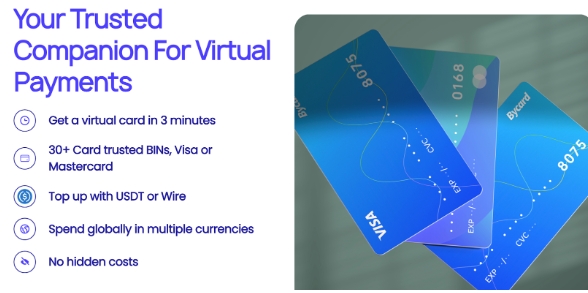
Bycard helps reduce exposure to Online Shopping Scam risks on Instagram and TikTok Shops with features designed for secure online payments:
- Spending Controls: Set limits on transactions to prevent fraudsters from draining your account.
- Global Acceptance & Multi-Currency Support: Shop safely from local or international sellers without exposing your main account.
- Virtual Credit Cards: Generate one-time or merchant-specific cards separate from your main account, keeping funds safe if a scam occurs.
- Bill Pay & Tracking: Centralize subscriptions and vendor payments, helping flag suspicious charges quickly.
- Protects Against Online Shopping Scams:
- Keeps your primary money source hidden
- Allows disposable cards for one-off purchases
- Enables quick cancellation if anything looks suspicious
- Provides real-time tracking for immediate visibility
- Keeps your primary money source hidden
This layer of control makes Bycard especially valuable against scams relying on fraudulent payments or stolen data.
Steps for Safer Social Shopping
Here’s a simple, practical checklist you can follow:
- Before you click “Buy”: inspect the seller’s profile and reviews.
- Checkout inside the app: avoid external links.
- Pay with a virtual card: generate a new card for each purchase.
- Track transactions in real time: so you spot unauthorized activity immediately.
Using this approach reduces your odds of falling victim to the many Online Shopping Scam strategies used on Instagram and TikTok Shops.
What to Do If You’ve Been Scammed
- Contact your bank or credit card company immediately to dispute the charge.
- Freeze or cancel the compromised card if payment info was shared on a suspicious site.
- Report the scam to the platform (Instagram or TikTok), your local fraud bureau, and national authorities like the FTC or BBB Scam Tracker.
- Gather screenshots and communications to support your case.
Swift action improves your chances of recovering money and prevents further misuse of your data.
Conclusion
Social commerce is convenient and powerful but not without risk. Scammers constantly adapt Online Shopping Scam techniques to exploit trust and urgency. The more you understand how these frauds work and how tools like Bycard can protect you, the more confidently you can shop online.
Always stay curious, cautious, and proactive. A little extra attention at checkout and the right payment tools go a long way in securing your online shopping journey.

CATEGORIES
Wise or Revolut? Comparing the Best Multi-Currency Card

Wise Alternatives That Make Payment Faster and Currency Conversion Simple
Wire Transfer vs Bank Transfer for Better & Swift Business Payments

Why Travel Rewards Credit Cards are Highly Important

Why the Ramp Card Might Be the Best Business Card

Why Sales and Discounts Make You Overspend
