
 Log in
Meta Ads Updates 2026: How to Run High‑Performing Ads on a Small Budget

Running ads on Facebook, Instagram, and the broader Meta ecosystem in 2026 looks different than it did just a few years ago. Between privacy shifts, AI‑driven automation, billing challenges, and evolving placements, small‑budget advertisers need strategies built for the new reality.
Recent Meta Ads Updates are changing how campaigns perform, especially when every dollar counts. The platforms now emphasize broader signals, automation, and reliable payments, creating both opportunities and challenges for advertisers with limited resources.
Key Meta Ads Updates for 2026 can provide practical guidance, including how tools like Bycard help manage ad spend and prevent payment-related interruptions.
- Meta Ads Updates 2026: How to Run High‑Performing Ads on a Small Budget
- What’s Changing with Meta Ads in 2026
- Meta Ads Updates on Attribution and Reporting
- Managing Budgets with Meta Ads Performance Changes
- Meta Ads Targeting Updates for Small Budgets
- Creative Signals and AI Enhancements
- Ad Spend & Billing Updates in Meta Ads 2026
- Managing Meta Ads Payments with Bycard
- Managing Ad Spend Effectively with Meta Ads Updates (and Bycard)
What’s Changing with Meta Ads in 2026
Meta’s advertising ecosystem is evolving rapidly. The latest Meta Ads Updates focus on simplicity powered by automation, privacy‑first measurement, and new placements across its apps.
Instead of hundreds of targeting options and micro‑tweaks, Meta now prioritizes:
- Algorithm‑led audience optimization
- Broader targeting signals over narrow interest stacks
- AI‑enhanced creative evaluation
- Clearer, click‑focused reporting
These shifts mean advertisers, especially those on smaller budgets, need to adapt both strategy and execution.
Meta Ads Updates on Attribution and Reporting
One of the major changes in 2026 is around attribution windows. Meta is moving toward a 7‑day click‑only attribution model. This affects how performance is reported and optimized in Meta Ads Manager.
For small budgets, relying on view‑through conversions, where someone saw but didn’t click an ad, is no longer dependable. Click‑ focused optimization means:
- You should push for early engagement
- Track performance over meaningful time periods
- Avoid judging campaigns too quickly
These reporting‑related Meta Ads Updates influence bidding and optimization strategies, particularly when every result counts.
Managing Budgets with Meta Ads Performance Changes
Meta now rewards focused campaigns with stable learning signals. Spreading money thin across many ad sets can confuse the system and reduce performance.
Practical guidance with small budgets:
- Use fewer campaigns with clear, singular goals.
- Let the algorithm optimize internally rather than fighting it.
- Avoid frequent edits that reset the learning phase.
Recent Meta Ads Updates have made campaign consolidation more effective, especially for budgets below typical daily minimums recommended in past years.
Meta Ads Targeting Updates for Small Budgets
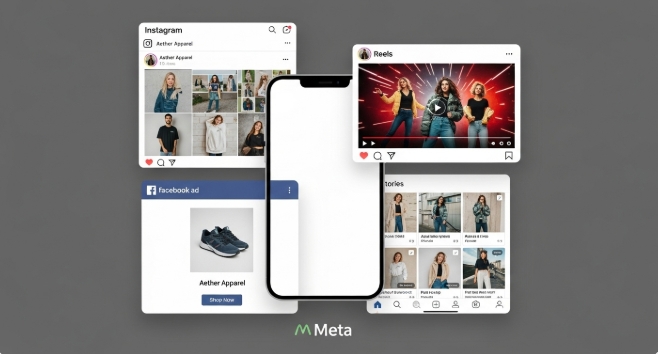
Several Meta Ads Updates have deprecated some granular interest options. Meta now encourages broader audience targeting, which paradoxically often performs better, because the algorithm has more opportunities to find likely converters.
For small budgets:
- Prioritize broad audiences (e.g., location, age, gender) over detailed stack targeting.
- Leverage Meta’s AI‑assisted audience expansion.
This helps ensure campaigns don’t “run out of signal” before they’ve learned useful.
Creative Signals and AI Enhancements
Creative quality continues to be one of the most impactful performance drivers under today’s Meta Ads Updates. Meta evaluates ads on:
- How quickly they capture attention
- Relevance to users
- Engagement patterns
AI tools are now embedded in Meta Ads workflows, letting advertisers generate variations and adapt creatives dynamically. This is especially useful when budgets are tight: instead of manually producing dozens of individual assets, you let the system create and test variations automatically.

Perfect Card for running ads!
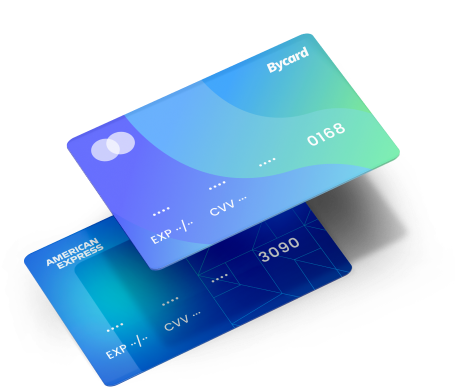
Ad Spend & Billing Updates in Meta Ads 2026
Meta Ads require reliable payment methods. Payment failures or blocked transactions can pause campaigns, reduce delivery, or hurt learning phases, all of which disproportionately damage performance on small budgets.
Meta accepts credit cards (Visa, Mastercard, American Express) and other options like PayPal in many markets. If a card is declined, campaigns often stop until the payment method is fixed.
This is where a tool like Bycard becomes directly relevant to advertisers.
Managing Meta Ads Payments with Bycard
Bycard is a virtual credit card solution designed to make payment management easier for media buying and digital advertising. It offers benefits that align closely with the needs of small‑budget advertisers running Meta Ads:
• Reliable Payments for Meta Ad Spend
Bycard virtual cards are instantly issued and designed to be used for advertising spend across platforms, including Meta Ads, Google Ads, TikTok, Bing, Snapchat, and more. With reliable billing, campaigns can run without interruption due to payment failures.
• Card‑Per‑Campaign Spend Control
One of the biggest problems advertisers face is payment rejection (especially with strict fraud systems). With Bycard, you can create separate virtual cards per campaign or platform, isolating spend and reducing risk. This matches best practices for small‑budget campaigns, where failed payments can cripple performance.
• Custom Spending Limits
With Bycard’s virtual cards, advertisers can set specific monthly or daily limits. This helps control budgets directly and ensures campaigns don’t burn through spend unexpectedly, a practical complement to Meta’s campaign caps and account spending limits.
• Quick Issuance and Backup Ready
If a card fails or is blocked, new virtual cards can be generated instantly. This eliminates downtime between payment disruptions and keeps campaigns running, a common pain point advertisers report with traditional payment methods.
• Centralized Spend Tracking
Bycard provides real‑time budgeting, expense reports, and reconciliation tools, making it easier to manage spend across Meta Ads and other channels without manual ledger entry. This makes campaign finance transparent and actionable.
• Security and Global Acceptance
Bycard’s virtual cards are secured with fraud protection and accepted globally. This means you can target audiences internationally without payment hurdles, a big advantage when Meta Ads placements span countries.
Managing Ad Spend Effectively with Meta Ads Updates (and Bycard)
Because Meta Ads Updates influence delivery, targeting, and optimization, managing costs is more important than ever. Here are practical ways to combine sound budgeting strategies with tools like Bycard:
- Use account spending limits and campaign caps to control budget exposure.
- Align master goals (like conversions) with Meta’s learning cycles.
- Track cost trends (CPC, CPA), not just absolute numbers.
- Split spending across virtual cards for clean reporting and safeguard campaigns from payment issues.
This holistic approach ensures that payment interruptions or billing issues don’t derail what could otherwise be high‑performing campaigns.
Conclusion
Running Meta Ads in 2026 is less about micromanaging and more about structured campaigns, smart budgets, and reliable payments. Top small-budget advertisers:
- Leverage AI and automation
- Let campaigns stabilize
- Use broad audiences
- Focus on strong creatives
- Secure payments with tools like Bycard
Meta Ads Updates set the rules, Bycard makes execution smooth and worry-free.

CATEGORIES
Wise or Revolut? Comparing the Best Multi-Currency Card

Wise Alternatives That Make Payment Faster and Currency Conversion Simple

Wire Transfer vs Bank Transfer for Better & Swift Business Payments

Why Travel Rewards Credit Cards are Highly Important
Why the Ramp Card Might Be the Best Business Card

Why Sales and Discounts Make You Overspend
