
 Log in
Understanding Split Payments and How It Works

Split payments make dividing costs between multiple people or sources much easier. Shared bills, group purchases, or project expenses can become confusing if it’s not clear who owes what.
In Split payments, a single payment can be divided automatically or manually among participants, improves transparency and reducing mistake while keeping financial tracking simple and organized.
- Understanding Split Payments and How It Works
- What Are Split Payments?
- How Split Payments Work in Everyday Life
- Split Payments in Business Transactions
- Benefits of Using Split Payments
- Different Types of Split Payments
- How Technology Makes Split Payments Easier
- How Tools Like Bycard Are Changing the Split Payment Landscape
- Common Challenges with Split Payments
- Practical Tips for Using Split Payments
- Split Payments for Group Expenses
What Are Split Payments?
Split payments refer to the process of dividing a single payment among multiple parties or sources. Instead of one person covering the full cost, the payment can be split evenly or proportionally based on the agreement. For example, if four friends order dinner for $200, each person can pay $50 directly through a split payment method, ensuring transparency and fairness.
In businesses, split payments are also widely used to distribute revenues or expenses among multiple departments, suppliers, or partners. This approach reduces manual reconciliation and minimizes the risk of human error.
How Split Payments Work in Everyday Life

In personal finance, split payments often appear in mobile banking apps, digital wallets, or peer-to-peer payment platforms. These tools allow users to:
- Pay only their share of a bill
- Track who has paid and who hasn’t
- Send reminders to participants for pending amounts
A practical example is subscription services. Many users subscribe to shared services like streaming platforms or software tools. With split payments, each member pays their share automatically, simplifying budgeting and reducing the chance of missed payments.
Split Payments in Business Transactions
For businesses, split payments can improve efficiency and cash flow management. Companies often split payments between:
- Vendors and suppliers
- Internal departments
- Multiple project budgets
For instance, a business paying $10,000 for marketing services may split the payment across creative, advertising, and consultancy departments, each receiving its share automatically. This ensures accurate accounting and reduces the likelihood of disputes.
Benefits of Using Split Payments
- Transparency: Every participant can see their share and verify transactions.
- Efficiency: Reduces manual calculations and simplifies bookkeeping.
- Flexibility: Users can split payments evenly or based on percentages.
- Better Budgeting: Both individuals and businesses can track spending per participant or department.
- Error Reduction: Automated split payments minimize human errors in shared expenses.
Different Types of Split Payments
Split payments come in several formats, depending on the use case:
- Peer-to-Peer Split Payments: Often used among friends or family to share bills or group purchases.
- Business-to-Business Split Payments: Divides payments among vendors or departments for large transactions.
- Card-Based Split Payments: Allows a single transaction to be charged to multiple cards, useful for shared personal or corporate expenses.
- Automated Digital Split Payments: Integrated into apps and platforms for recurring bills and subscriptions.
How Technology Makes Split Payments Easier
Modern digital tools and financial apps have simplified split payments. Features like virtual cards, real-time transaction tracking, and automated reminders make splitting bills easy. Data shows that businesses using digital split payment tools reduce reconciliation time by up to 40%, making it a practical solution for both individuals and companies.
How Tools Like Bycard Are Changing the Split Payment Landscape
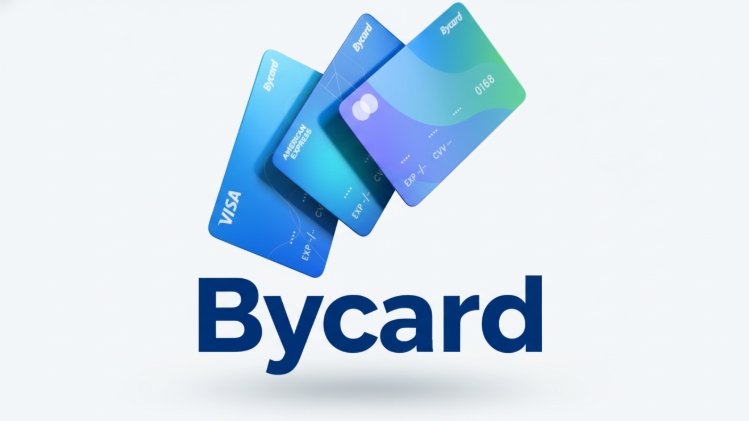
Key Features & How They Help
- Instant Virtual Cards: Create cards in minutes, allowing each participant or department to have a separate card for clear payment tracking.
- Multi-Currency & Crypto Top-Up: Spend globally without worrying about conversion issues; suitable for cross-border split payments.
- Spend Control & Budgeting Tools: Set limits, track transactions, and reconcile expenses automatically, reducing manual errors.
- Bill-Pay & Vendor Management: Schedule recurring bills and manage vendor payments, ideal for businesses and freelancers.
- Security & Compliance: Fraud protection, card lock/unlock options, and regulated infrastructure provide safe transactions.
Use Cases
- Group Expenses: Housemates, travel groups, or subscription sharing can use Bycard virtual cards for easy split payments.
- Businesses & Agencies: Split budgets across projects, campaigns, or departments without manual reconciliation.
- Global Freelancers: Handle payments in different currencies or crypto while tracking expenses transparently.
- Media Buyers: Use dedicated cards for ad campaigns on platforms like Facebook, Google, or TikTok, keeping finances organized.
Bycard illustrates how modern fintech solutions can address traditional split payment challenges, from tracking and reconciliation to security and cross-border complexity.

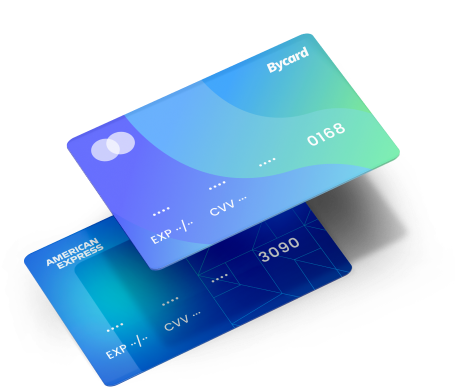
Best Card for splitting payments easily!
Common Challenges with Split Payments
While split payments offer convenience, there are challenges to consider:
- Delayed Payments: Some participants may delay paying their share.
- Platform Limitations: Not all banks or apps support flexible split payment features.
- Currency Conversions: International transactions may involve conversion fees.
- Fees and Cost Structure: Splitting payments can increase processing fees if multiple transactions are treated separately, impacting businesses and consumers.
- Technical and Operational Complexity: Platforms need proper infrastructure to manage multi-party payments without errors.
- Regulatory and Compliance Requirements: Cross-border splits may require adherence to tax, KYC, AML, or other local regulations.
Being aware of these challenges helps users plan and manage split payments more effectively.
Practical Tips for Using Split Payments
- Set Clear Agreements – Before splitting payments, agree on amounts and deadlines.
- Use Reliable Platforms – Choose apps that provide automated tracking, notifications, and secure payment processing.
- Monitor Transactions – Regularly check if all shares have been paid.
- Leverage Data – Businesses should integrate split payment tools with accounting systems for easier reconciliation.
- Communicate Transparently – Keep all participants informed to avoid confusion.
Split Payments for Group Expenses
One of the most common uses of split payments is sharing group expenses. For instance:
- Travel costs among friends
- Dining bills
- Household utilities shared among roommates
Digital solutions allow each participant to pay their share without the hassle of collecting cash or tracking IOUs manually.
Conclusion
Split payments are transforming the way individuals and businesses manage shared financial responsibilities. By understanding how split payments work, factoring in costs, technical and regulatory considerations, and leveraging modern tools like Bycard, users can save time, reduce errors, and maintain transparency in transactions. Whether it’s splitting a dinner bill, managing departmental budgets, or handling cross-border transactions, knowing how to use split payments effectively is becoming an essential financial skill.

CATEGORIES
Wise or Revolut? Comparing the Best Multi-Currency Card
Wise Alternatives That Make Payment Faster and Currency Conversion Simple

Wire Transfer vs Bank Transfer for Better & Swift Business Payments

Why Travel Rewards Credit Cards are Highly Important
Why the Ramp Card Might Be the Best Business Card

Why Sales and Discounts Make You Overspend
