
 Log in
Digital Payment Trends Every Freelancer Must Pay Attention to in 2026

Freelancers today don’t just trade skills, they manage complex digital payments across borders, platforms, and currencies. In 2026, successful freelancers must understand how payment systems and tools are evolving to keep funds secure, flexible, and under their control. From new payment rails to virtual cards, AI-driven automation, and spend management tools, these digital payment trends are reshaping how independent professionals earn, spend, and manage money.
- Digital Payment Trends Every Freelancer Must Pay Attention to in 2026
- Why Digital Payment Trends Matter for Freelancers
- Instant Payments and Cash Flow Control
- Virtual Cards Becoming Core Tools
- Cross-Border Payments and Multi-Currency Support
- Embedded Finance and Contactless Payments
- Security, Fraud Protection, and Digital Identity
- Automation, AI, and Accounting Integration
- Stablecoins and Digital Asset Payments
- Bycard: A Freelancer‑Centric Payment Platform
Why Digital Payment Trends Matter for Freelancers
Freelancers work with clients across geographies, platforms, and currencies, and that amplifies payment complexities. Understanding digital payment trends helps freelancers reduce fees, speed up receivables, manage recurring expenses, and keep financial records clean for budgeting and taxes.
In a world where money moves instantly and threats are always evolving, ignoring payment trends can mean lost earnings, unexpected fees, and unnecessary security risks. Staying informed is no longer optional, it’s essential for efficiency and financial control.
Instant Payments and Cash Flow Control
One of the most impactful digital payment trends for freelancers is the shift to real‑time and instant payment mechanisms. Traditional bank transfers can take multiple days to clear, especially for cross‑border transactions. Instant and near‑instant payments improve freelancers’ cash flow, allowing them to cover monthly commitments, bill clients faster, and reinvest in tools or services without delay.
Moreover, modern solutions are integrating digital wallets, so freelancers can receive and spend money seamlessly on both business and personal needs without depending on physical banking infrastructure. With Bycard, freelancers can use instant virtual cards and multi-currency wallets for fast, secure payments, locally or globally.
Virtual Cards Becoming Core Tools
A standout development in digital payment trends is the rise of virtual cards, especially for freelancers who juggle multiple services, subscriptions, ad campaigns, and invoices. Unlike physical cards, virtual cards are created instantly in digital form, with customizable controls that help you manage spend and risk.
Key Advantages of Virtual Cards
- Custom Spending Limits: Set exact limits per card or merchant, crucial for freelancers managing project budgets or recurring subscriptions.
- Merchant‑Locked Cards: Assign a card to a single vendor or platform (e.g., Adobe, Zoom, hosting services) and prevent misuse elsewhere.
- Instant Freeze/Terminate: The ability to freeze or delete a card immediately reduces fraud and financial risk.
- Better Reconciliation: Each card can be tied to a project or campaign, simplifying bookkeeping and tax preparation.
Bycard enables freelancers to create virtual cards instantly, assign them to projects, and monitor spending in real time. This aligns perfectly with 2026 trends toward security, flexibility, and precision financial management.
Cross-Border Payments and Multi-Currency Support
Freelancers often work with clients across borders. One critical digital payment trend is simplified cross-border payments with lower fees and faster settlements.
Emerging global initiatives, like the BIS Agora Project, are modernizing cross-border settlement infrastructure, reducing the need for intermediaries. Open Banking and account-to-account (A2A) payments also allow direct transfers with fewer fees.
Multi-currency support and global acceptance through Visa and Mastercard networks let freelancers invoice clients and receive payments worldwide with minimal friction, reflecting the trend toward borderless money movement.
Embedded Finance and Contactless Payments
Embedded finance allows payments to occur inside apps, marketplaces, and freelance platforms, reducing friction at checkout. Combined with contactless payments and biometrics, this trend lets freelancers pay or receive funds almost invisibly.
Freelancers using Bycard can integrate payments into tools and platforms they already use, aligning with this 2026 trend toward seamless, embedded financial experiences.
Security, Fraud Protection, and Digital Identity
Security continues to be a defining digital payment trend. Tokenization, multi-factor authentication, biometric verification, and project-specific virtual cards protect freelancers’ funds.
Regulatory trends in the EU and US are clarifying compliance requirements for digital payments, reducing uncertainty. Strong digital identity verification is becoming a standard requirement for secure online transactions.
Automation, AI, and Accounting Integration
Automation and AI are redefining digital payment trends. Platforms now automate reconciliation, detect fraud, predict risk, and categorize expenses.
Benefits for freelancers include:
- Reduced manual bookkeeping.
- Real-time fraud monitoring.
- AI-driven recommendations for budgeting and payments.
Bycard’s dashboard integrates expense tracking, subscription management, and reporting, saving freelancers hours of administrative work and aligning with AI-enabled trends.
Stablecoins and Digital Asset Payments
Stablecoins and tokenized currencies are increasingly part of digital payment trends for freelancers. Platforms like Visa and Klarna are integrating stablecoin settlements to reduce FX fees and accelerate cross-border payments.
Freelancers may benefit by:
- Receiving payments in stablecoins to avoid high currency conversion costs.
- Paying international vendors faster with minimal fees.
- Reducing volatility risk by using USD- or euro-backed stablecoins.
While Bycard currently offers multi-currency support, monitoring stablecoin adoption can help freelancers plan for future payment options.

Perfect Card for running ads!
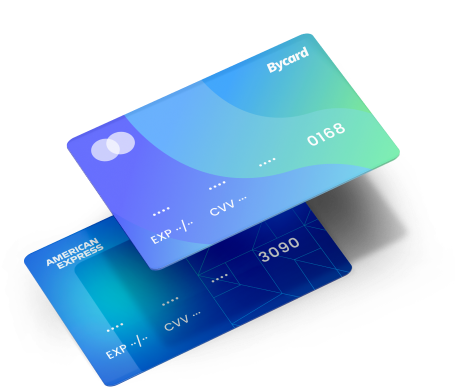
Bycard: A Freelancer‑Centric Payment Platform
What Bycard Offers Freelancers
1. Instant Virtual Card Issuance
Freelancers can generate virtual cards in minutes, eliminating long waits and physical delivery hassles associated with traditional cards. Each card works instantly for online vendors, ad platforms, and subscriptions.
2. Spend Management & Budgeting
Bycard gives you tools to set and track budgets in real time, helping with daily financial decisions and monthly planning. This is essential as freelancers juggle irregular income and variable expenses.
3. Multi‑Currency Support & Global Acceptance
Whether you’re invoicing clients in euros, dollars, or pounds, Bycard supports multiple currencies and global acceptance through Visa and Mastercard networks, a clear reflection of today’s digital payment trends toward borderless money movement.
Conclusion
Freelancers in 2026 face a rapidly evolving payments landscape. From instant payouts and virtual cards to cross-border transfers and automated expense management, digital payment trends are reshaping how independent professionals earn, spend, and manage money.
By staying informed and adopting tools that align with these trends, freelancers can save time, reduce costs, and protect their earnings. Platforms like Bycard make it simple to navigate this new world, offering secure virtual cards, multi-currency support, subscription management, and automation, all in one dashboard.

CATEGORIES
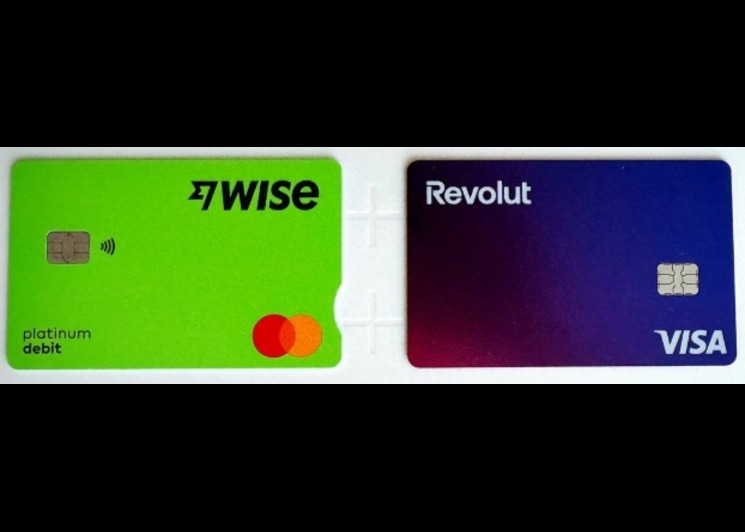
Wise or Revolut? Comparing the Best Multi-Currency Card
Wise Alternatives That Make Payment Faster and Currency Conversion Simple
Wire Transfer vs Bank Transfer for Better & Swift Business Payments

Why Travel Rewards Credit Cards are Highly Important
Why the Ramp Card Might Be the Best Business Card
Why Sales and Discounts Make You Overspend
