
 Log in
Travel Card Portfolio Restructuring: A Complete Wallet Overhaul Strategy

I’m completely changing my travel card strategy, here’s why.
The travel rewards landscape has fundamentally shifted over the past few years. Card issuers have slashed benefits, introduced dynamic award pricing, devalued transfer ratios, and eliminated longstanding perks that made certain cards no-brainers. Meanwhile, new players have entered the market with compelling value propositions that challenge the old hierarchy. If you’re building a travel card portfolio from scratch in 2026, or reconsidering cards you’ve held for years, the optimal setup looks dramatically different than it did even two years ago.
This complete wallet restructuring addresses the current reality: we need maximum flexibility, diversified earning potential across all spending categories, and access to multiple transfer partner ecosystems to navigate an increasingly complex redemption landscape.
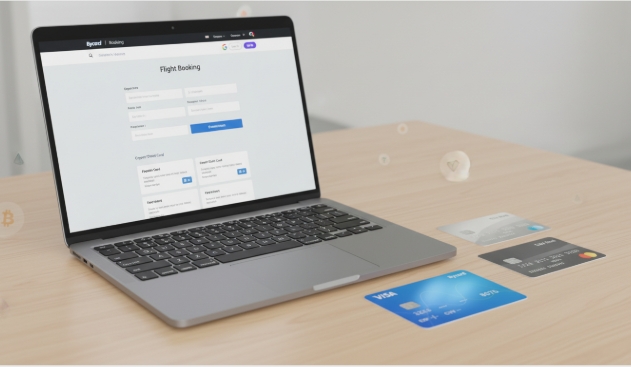
And just as importantly, we need payment flexibility. Points are powerful, but they don’t solve everything, especially when dealing with international bookings, foreign currency transactions, subscription payments, or travel purchases where you’d rather preserve liquidity. That’s where modern payment platforms like Bycard add a practical layer to an optimized wallet.
Here’s the framework I’m implementing and why each component matters.
Core Foundation Cards – Building Your Base Earning Infrastructure
Every optimized travel card portfolio needs anchor cards that deliver strong returns across broad spending categories while providing meaningful travel protections and benefits. These aren’t specialized tools, they’re your everyday drivers that form the earning foundation.
Chase Sapphire Reserve: The Premium Anchor
Despite its $550 annual fee, the Sapphire Reserve remains a cornerstone card for serious points collectors. The 3x earning on dining and travel creates a powerful base multiplier for two of the highest-spend categories for most households. But the real value extends beyond the earning rate.
The $300 annual travel credit effectively reduces the fee to $250, while the Priority Pass lounge access, comprehensive travel insurance coverage, and cellphone protection create a benefits package that genuinely delivers value trip after trip. The card’s integration with the Chase Ultimate Rewards ecosystem, arguably the most valuable transferable points currency, makes it indispensable for anyone serious about premium cabin travel.
Key consideration for 2026: Chase has maintained stable transfer ratios while competitors have devalued, making Ultimate Rewards points increasingly precious. The 1.5x portal redemption rate through Pay Yourself Back for travel purchases provides a valuable floor value of 4.5 cents per dollar on dining and travel spending.
Capital One Venture X: The Challenger That Matters
The Venture X disrupted the premium card market by delivering Reserve-level benefits at an effective annual fee of just $5 after accounting for the $300 travel credit and 10,000 anniversary bonus points. The card’s 2x earning on all purchases makes it a strong contender for your default spend card, while 5x on hotels and rental cars booked through Capital One Travel adds category depth.
What makes the Venture X essential in 2026 is Capital One’s unique transfer partner roster. Exclusive partnerships with Air France-KLM Flying Blue and Turkish Airlines Miles&Smiles provide redemption opportunities you simply cannot access through Chase or American Express. This diversification becomes critical when searching for award availability on specific routes or during peak travel periods.
The card’s Priority Pass Select membership, Plaza Premium lounge access, and TSA PreCheck/Global Entry credits duplicate some Reserve benefits, but the partner diversity justifies carrying both cards for serious travelers.
Citi Double Cash or Citi Rewards+: The Non-Bonus Sweeper
Despite the appeal of transferable points currencies, you need a catch-all card for spending categories that don’t trigger bonuses on your specialized cards. The Citi Double Cash delivers a straightforward 2% back on everything, 1% when you buy, 1% when you pay, with no annual fee and no mental bandwidth required.
For those deeper into the Citi ecosystem, the Citi Rewards+ card offers a compelling alternative with its 10% points rebate on the first 100,000 points redeemed per year and automatic rounding of all purchases to the nearest 10 points. These features can generate meaningful additional value for active points users.
The strategic value: These Citi ThankYou points can transfer to 19 partners including Virgin Atlantic, Singapore Airlines, and Turkish Airlines, turning mundane non-bonus purchases into potential premium cabin redemptions.
Specialized Category Optimization – Multiplying Your Earning Power
Once your foundation is established, specialized cards dramatically amplify earning rates in high-spend categories. The goal is creating earning multipliers that turn everyday spending into premium travel experiences.
Diversifying points protects against devaluations. Diversifying payment rails protects execution. Integrating Bycard adds global transaction flexibility without disrupting your primary rewards structure.
American Express Gold: The Dining and Grocery Powerhouse
The 4x earning at restaurants worldwide and 4x at U.S. supermarkets (up to $25,000 annually) makes the Amex Gold the category king for two of the highest-spend areas for most households. With $120 in Uber Cash credits and $120 in dining credits with partners like GrubHub and The Cheesecake Factory, the effective annual fee drops to just $10.
The Membership Rewards ecosystem provides access to 21 transfer partners including premium sweet spots with Virgin Atlantic (for Delta and ANA flights), Avianca LifeMiles (for Star Alliance awards), and Air France-KLM Flying Blue. This partner diversity complements Chase and Capital One, creating true redemption flexibility.
2026 optimization note: Stack the Gold with the Chase Sapphire Reserve. Use Gold for dining and groceries (4x Membership Rewards), Reserve for other travel (3x Ultimate Rewards), and Venture X for everything else (2x miles). This creates a powerful three-currency earning engine.
For international travelers or digital entrepreneurs booking flights, hotels, or subscriptions across currencies, pairing this strategy with Bycard can help manage cross-border transactions efficiently, especially in cases where you want a separate spending line outside your traditional credit limits.
Chase Freedom Unlimited or Freedom Flex: Extending Ultimate Rewards
For those invested in the Chase ecosystem, these no-annual-fee cards extend Ultimate Rewards earning to additional categories. The Freedom Unlimited offers 1.5x on all purchases plus 3x on dining and drugstores, while the Freedom Flex provides rotating 5x bonus categories that often include grocery stores, gas stations, PayPal, and Amazon.
The strategic brilliance: Points earned on these cards transfer to your Sapphire Reserve, allowing you to accumulate Ultimate Rewards at accelerated rates without paying multiple annual fees. This makes them essential portfolio pieces for Chase loyalists.
U.S. Bank Altitude Reserve: The Mobile Wallet Specialist
This often-overlooked card delivers 3x points on mobile wallet purchases, which includes Apple Pay, Google Pay, Samsung Pay, and PayPal. Since mobile wallet acceptance has become nearly universal, this effectively creates a 3x earning rate on almost any purchase, with points worth 1.5 cents each when redeemed through the Real-Time Rewards platform.
The $325 annual fee is offset by a $325 travel credit, making this a no-brainer addition for anyone comfortable using mobile payments. The Priority Pass Select membership adds further value, though the primary appeal is the earning rate flexibility. Rewards cards maximize return, but platforms like Bycard can complement that setup by enabling secure global payments, especially for online travel bookings, SaaS tools, visa fees, or international reservations that don’t always process smoothly on traditional cards.
Specific Category Considerations
Depending on your spending patterns, consider these category specialists:
- Gas and EV charging: Costco Anywhere Visa (4% on gas up to $7,000 annually) or Abound by Marriott Bonvoy (5x at gas stations)
- Streaming services: U.S. Bank Altitude Go (4x on dining and streaming)
- Wholesale clubs: Costco Anywhere Visa (2% at Costco) or Capital One Savor (3% at supermarkets including wholesale clubs)
The key is auditing your annual spending to identify categories where you can capture outsized bonuses without carrying cards you’ll rarely use.
Transfer Partner Strategy and Redemption Framework

Earning points efficiently matters little if you can’t extract premium value during redemption. Building a diversified transfer partner portfolio protects against devaluations and maximizes award availability.
But redemption isn’t the only lever in 2026. Smart travelers also maintain payment redundancy. Award space disappears. Transfers can be irreversible. Some hotels and airlines don’t accept split payments. Having a flexible payment option like Bycard ensures you’re never stuck when points don’t line up with availability.
The Multi-Currency Imperative
No single points currency provides optimal redemptions in all situations. Chase Ultimate Rewards excels for United, Southwest, and Hyatt transfers. American Express Membership Rewards offers superior value with Virgin Atlantic and ANA. Capital One provides exclusive access to Air France-KLM Flying Blue and Turkish Miles&Smiles. Citi ThankYou points unlock unique sweet spots with Singapore KrisFlyer and Virgin Atlantic.
By maintaining balances across all four ecosystems, you gain negotiating power. When searching for award space, you can evaluate redemption costs across multiple programs and choose the most efficient option for that specific flight or hotel stay.
At the same time, maintaining a parallel payment solution like Bycard adds real-world flexibility. Points strategies are powerful, but when a deal requires immediate payment, when a merchant doesn’t code as expected, or when you want to preserve points for higher-value redemptions, having a modern, globally usable payment card in your portfolio completes the ecosystem.
Key Transfer Partners for 2026
Certain transfer partners consistently deliver outsized value:
Virgin Atlantic Flying Blue: Transfers from Amex, Chase, Capital One, and Citi make this accessible from all major ecosystems. Outstanding value for transatlantic business class on Delta and Air France-KLM, plus excellent rates for ANA first and business class from the U.S. to Japan.
Hyatt World of Hyatt: Exclusive Chase transfer partner offering exceptional redemption rates at luxury properties worldwide. Point values regularly exceed 2 cents per point, with category 1-4 properties providing budget-friendly options.
Singapore KrisFlyer: Accessible through Chase, Amex, and Citi, KrisFlyer offers some of the world’s best premium cabin products with relatively reasonable award pricing on Singapore Airlines’ own flights.
Air France-KLM Flying Blue: Monthly Promo Rewards reduce award costs by 25-50% on select routes, creating spectacular redemption opportunities for those monitoring the program. Accessible through Amex, Chase, Capital One, and Citi.
Southwest Rapid Rewards: Unique among airline programs for offering no blackout dates and revenue-based redemptions that include all available seats. Chase transfer capability makes this accessible for domestic U.S. travel.
The Cash-Out Safety Net
While transfer partners offer the highest theoretical value, redemption complexity and award availability challenges mean you need cash-equivalent backup options:
- Chase Ultimate Rewards: 1.5 cents per point through the travel portal with Sapphire Reserve; 1.25 cents with Preferred
- Capital One: 1 cent per mile statement credit; variable rates through the travel portal
- Amex Membership Rewards: 1 cent per point through the Schwab Platinum (if you hold that card)
- Citi ThankYou: 1 cent per point statement credit
These floor values ensure your points never become worthless, even if you can’t find suitable award availability.
Floor values provide redemption security. Payment flexibility provides booking security. Bycard strengthens the latter, particularly for international travel and online transactions.
Dynamic Award Pricing Reality
Most loyalty programs have abandoned fixed award charts in favor of dynamic pricing that fluctuates based on demand. This makes transfer partner sweet spots increasingly valuable, programs that maintain reasonable, predictable pricing stand out in a sea of revenue-based redemptions.
Focus accumulation on programs with remaining sweet spots: Avianca LifeMiles for Star Alliance awards, Air France-KLM Flying Blue (particularly Promo Rewards), Turkish Miles&Smiles for Star Alliance business class, and Virgin Atlantic for Delta and ANA partner awards.
Portfolio Implementation Timeline
Restructuring your card portfolio requires strategic timing to manage credit inquiries and annual fees:
Months 1-2: Establish foundation with one premium card (Sapphire Reserve or Venture X) to begin accumulating points in a primary ecosystem.
Months 3-4: Add the second premium card to diversify transfer partners and capture different bonus categories.
Months 5-6: Layer in American Express Gold for dining and grocery bonuses.
Months 7-12: Add specialized cards based on personal spending patterns, no-annual-fee cards like Freedom Unlimited or category-specific cards for gas, streaming, or other high-spend areas.
This pacing prevents excessive credit inquiries while building earning power progressively.
The 2026 Optimal Portfolio Framework
For most points enthusiasts rebuilding from scratch, the optimal wallet contains:
1. Two premium cards: Chase Sapphire Reserve + Capital One Venture X (or Amex Platinum for additional transfer options)
2. One dining/grocery specialist: American Express Gold
3. One or two category cards: Chase Freedom Unlimited/Flex, U.S. Bank Altitude Reserve, or category specialists
4. One non-bonus sweeper: Citi Double Cash or Citi Rewards+
This five-to-six-card setup captures enhanced earning across virtually all spending while maintaining transfer partner diversification across Chase, Amex, Capital One, and Citi ecosystems. The total annual fee outlay ranges from $875 to $1,200 depending on card selection, but effective fees after credits typically land between $300 and $500, a reasonable investment for serious travelers earning hundreds of thousands of points annually.
The travel rewards game has evolved from the simple days when a single premium card sufficed. Today’s optimal strategy requires intentional portfolio construction, category awareness, and transfer partner fluency. But for those willing to embrace the complexity, the rewards remain extraordinary: premium cabin flights, luxury hotel stays, and travel experiences that would cost tens of thousands of dollars when purchased outright.
The 2026 restructuring isn’t just about chasing points, it’s about building a sustainable system that adapts to the new normal of dynamic pricing, benefit cuts, and program devaluations while still extracting maximum value from every dollar spent.
Conclusion
The 2026 travel card strategy isn’t about carrying more cards, it’s about building a smarter system. Premium rewards cards drive earning power. Transfer partner diversification protects redemption value. Category optimization multiplies returns across everyday spend.
But a truly modern portfolio goes one step further. It pairs a points engine with payment infrastructure.
Chase, Amex, Capital One, and Citi optimize how you earn and transfer. Bycard strengthens how you execute, particularly for global, cross-border, and digital-first transactions where flexibility matters most.
In a landscape defined by dynamic pricing, tighter issuer controls, and unpredictable award space, resilience is the new advantage. The goal isn’t just to earn more points. It’s to build a wallet engineered for performance, protection, and execution in 2026 and beyond.

CATEGORIES
Wise or Revolut? Comparing the Best Multi-Currency Card

Wise Alternatives That Make Payment Faster and Currency Conversion Simple

Wire Transfer vs Bank Transfer for Better & Swift Business Payments

Why Travel Rewards Credit Cards are Highly Important
Why the Ramp Card Might Be the Best Business Card

Why Sales and Discounts Make You Overspend
