
 Log in
When Cryptocurrency Gets Frozen or Seized: Rules, Risks, and Reality
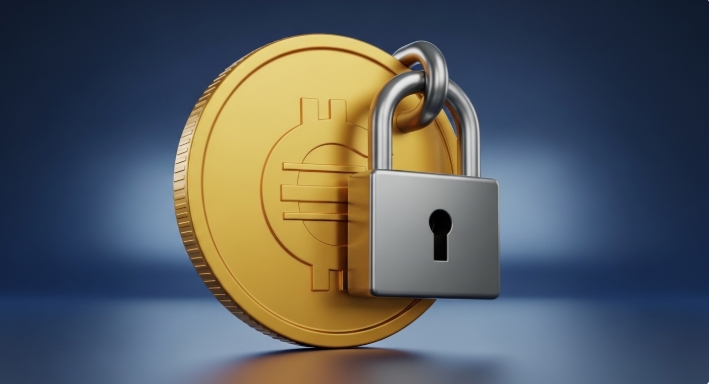
Cryptocurrency is often touted as financial freedom in code, digital assets you control, peer-to-peer transfers that cut out banks, and wallets secured by cryptography instead of branches or vaults. But in the real world, digital money doesn’t always stay completely untouchable. Funds can be frozen, seized, or rendered inaccessible for a variety of reasons: security breaches, legal actions, compliance systems, or exchange controls.
If you’re holding, spending, or planning to use cryptocurrency, whether for investment or payments, it’s essential to know how these rules actually play out, where risks come from, and what tools exist that help bridge traditional and digital finance.
- When Cryptocurrency Gets Frozen or Seized: Rules, Risks, and Reality
- What Does It Mean When Cryptocurrency Is Frozen?
- When Governments Can Legally Freeze or Seize Crypto
- How Does Cryptocurrency Freezing Actually Work?
- What Happens in Practice: Exchange vs Self-Custody
- A Practical Look at Use Cases: Spending Crypto with Virtual Cards
- Rules and Risks: What You Should Know
- Staying Safe and Informed With Cryptocurrency
- The Reality About Cryptocurrency and Control
What Does It Mean When Cryptocurrency Is Frozen?
“Frozen” cryptocurrency generally means you cannot move, withdraw, trade, or access your funds. But the mechanism behind the freeze depends on where and how your crypto is stored.
There are two main scenarios:
1. Funds Frozen on a Centralized Exchange
If your cryptocurrency is held on platforms like:
- Binance
- Coinbase
- Kraken
The exchange controls the private keys, not you.
This means they can:
- Restrict withdrawals
- Lock your account
- Freeze specific assets
- Comply with legal seizure orders
From a legal standpoint, your crypto on an exchange functions similarly to money in a bank account. If authorities issue a valid court order, the platform is required to comply.
2. Funds Frozen at the Token Level
Some digital assets, particularly stable-value tokens, have built-in controls.
For example:
- Tether (issuer of USDT)
- Circle (issuer of USDC)
These companies can blacklist wallet addresses. If your address is added to a blacklist, the tokens in that wallet become non-transferable.
This has happened in cases involving:
- Sanctions enforcement
- Hacks and stolen funds
- Law enforcement investigations
So even if you control your own wallet, certain tokens may still be frozen at the smart contract level.
When Governments Can Legally Freeze or Seize Crypto

Cryptocurrency doesn’t exist in a legal vacuum. While blockchains themselves are decentralized, many points of access are not.
Authorities can:
- Issue legal orders to exchanges to freeze or hand over assets,
- Investigate fraud or taxation issues and seize associated wallets,
- Confiscate physical devices (like hardware wallets) during criminal proceedings.
Law enforcement agencies have publicly reported seizing billions in cryptocurrency related to crimes like fraud, ransom, and sanctions violations. Because blockchain transactions are public, investigators can trace large, suspicious movements, even when wallet owners use pseudonyms.
How Does Cryptocurrency Freezing Actually Work?
Let’s separate myth from mechanics.
On Centralized Platforms
The process typically looks like this:
- Suspicious activity is flagged (AML monitoring).
- Compliance team reviews the account.
- Account is temporarily restricted.
- Authorities may request documentation.
- If legal orders exist, funds remain frozen.
Common triggers include:
- Large unexplained deposits
- Links to sanctioned wallets
- Mixing services involvement
- KYC inconsistencies
Even simple documentation delays can temporarily freeze withdrawals.
HOn Decentralized Networks
For decentralized cryptocurrencies like:
- Bitcoin
- Ethereum
There is no central authority that can freeze coins at the protocol level.
However:
- Exchanges can block access.
- Governments can target the individual.
- Validators can comply with sanctions filtering at infrastructure levels.
The network itself remains operational, but access points can be restricted.
What Happens in Practice: Exchange vs Self-Custody
On Exchanges
If a platform freezes your account:
- Your funds stay on the platform but can’t be withdrawn or traded.
- You generally need to work with compliance teams or legal representatives to resolve the issue.
- Freezes often happen during investigations, sanctions enforcement, or suspicion of illicit activity.
This kind of control exists because exchanges operate under financial regulations requiring them to detect and stop illegal flows, similar to banks.
In Your Own Wallet
Holding cryptocurrency in wallets where you control the private key means:
- No exchange can block transfers at the platform level.
- Your coins are not directly accessible by a third party.
However:
- If the specific token has built-in administrative freeze features, moves can still be restricted.
- Governments can compel individuals to surrender keys, whether through court orders or physical seizure.
So self-custody reduces certain risks but doesn’t remove them entirely.
A Practical Look at Use Cases: Spending Crypto with Virtual Cards

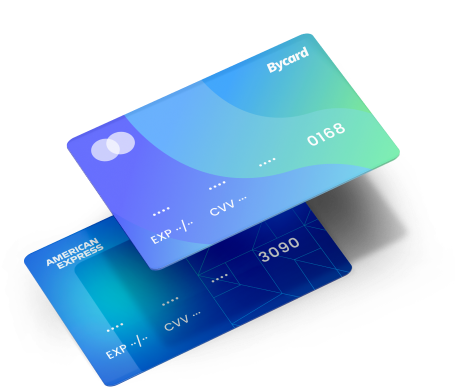
Alt text: bycard virtual card for crypto spending
One practical challenge many crypto holders face is spending digital assets in everyday scenarios. Most merchants still expect traditional payment formats, like Visa or Mastercard, rather than direct blockchain payments. This is where hybrid solutions like Bycard enter the picture.
How Bycard Connects Crypto to Real-World Payments
Bycard offers digital payment tools that let users convert cryptocurrency into fiat currency and spend it through virtual cards accepted globally by Visa and Mastercard networks, whether for online shopping, media buying, subscriptions, or vendor payments.
Here’s how it works in practice:
- Fund a Virtual Wallet: You can top up your digital wallet with supported cryptocurrencies such as USDT.
- Convert Crypto to Fiat: Conversion happens automatically when you make a payment, so you don’t have to manually sell your crypto on an exchange.
- Use Virtual Cards Globally: These cards can be used anywhere major card networks are accepted, allowing you to spend crypto without worrying about direct blockchain acceptance.
- Track and Manage Payments: Tools for transaction history, budgets, and receipts make it easier to manage both personal and business spend.
This setup doesn’t eliminate the fundamental properties of the blockchain, but it does make spending cryptocurrency more practical and accessible in everyday commerce.
Rules and Risks: What You Should Know
When Crypto Can Be Frozen
Here are leading causes of funds being locked or restricted:
- Sanctions enforcement: wallets linked to sanctioned entities may be blacklisted at a protocol or platform level.
- Fraud investigations: exchanges may freeze accounts under anti-money-laundering (AML) policies.
- Tax enforcement actions: irregularities in trading or large transfers can trigger compliance holds.
- Exchange insolvency: if a platform collapses, customers may lose access to assets for extended periods.
Risks Even With Tools Like Virtual Cards
While solutions such as Bycard make spending crypto easier, they are not immune to broader rules. For example:
- If your crypto is on an exchange before converting, it’s still subject to that exchange’s controls.
- Virtual card providers must comply with regional financial and anti-fraud regulations.
- Always monitor your spending and documentation, especially for tax and compliance reporting.
Staying Safe and Informed With Cryptocurrency
If there’s one theme running through everything we’ve discussed, it’s this: most freezing or seizure issues don’t happen randomly. They’re usually triggered by compliance checks, unclear transaction trails, or regulatory misunderstandings.
You can’t control every external factor, but you can control how prepared you are.
Here are practical, real-world habits that significantly reduce unpleasant surprises.
Keep Clear Records
When it comes to cryptocurrency, poor documentation is one of the biggest avoidable risks.
You should be able to clearly answer:
- Where did this crypto come from?
- When was it acquired?
- What was its value at the time?
- Where was it sent or converted?
- Was tax reported where required?
In practice, that means:
- Exporting exchange transaction histories regularly (don’t wait until an account is frozen).
- Recording wallet addresses you control.
- Tracking conversions from crypto to fiat, especially when using spending tools or virtual cards.
- Saving invoices or receipts for business-related crypto payments.
If you’re using a service that converts cryptocurrency into spendable balance, such as virtual card providers, keep a monthly statement archive. For example, when using a platform like Bycard to fund a virtual card with crypto and spend via Visa or Mastercard rails, maintaining transaction logs helps you reconcile:
- The crypto amount funded,
- The fiat conversion value,
- The final merchant charge.
This is especially important for tax reporting, audits, or responding to compliance inquiries.
Think of it like running a small business, even if you’re just managing personal funds.
Use Trustworthy Platforms (And Understand Their Rules)
Not all crypto platforms operate the same way.
Before storing or converting cryptocurrency on any service, check:
- Is the company transparent about compliance policies?
- Do they clearly explain how disputes or freezes are handled?
- Are KYC and identity requirements stated upfront?
- Is there accessible customer support?
Reputable exchanges and payment platforms publish terms outlining when accounts can be restricted. Read those sections. They matter more than marketing pages.
If you’re using crypto-to-card solutions, such as Bycard, understand:
- At what point crypto is converted to fiat,
- Whether funds sit in a custodial wallet before conversion,
- What documentation may be required for large transactions.
Freezes often happen not because someone did something illegal, but because the system detected an unusual pattern and the user couldn’t explain it quickly enough.
Transparency works both ways.
Separate Long-Term and Short-Term Holdings
Mixing everything in one place increases risk.
A practical structure many experienced users follow looks like this:
1. Long-Term Holdings
- Stored in self-custodied wallets.
- Used primarily for holding, not daily spending.
- Protected by secure backups and hardware storage where appropriate.
2. Operational or Spending Funds
- Kept on exchanges or crypto-to-card platforms.
- Used for trading, payments, subscriptions, or business expenses.
- Limited to amounts you actively need.
For example, if you regularly spend cryptocurrency through a virtual card, it may make sense to transfer only the amount required for the month rather than your entire holdings.
This way:
- A compliance review on a spending account doesn’t affect your long-term reserves.
- Exchange outages or temporary freezes don’t block all access to funds.
Risk management in crypto is less about eliminating risk and more about isolating it.
Know the Rules in Your Region (They Change Fast)
Cryptocurrency regulation is evolving quickly across the U.S., Europe, Asia, and Africa.
Depending on your jurisdiction:
- Crypto gains may be taxed as capital gains.
- Spending crypto could count as a taxable disposal.
- Platforms may be required to report user transactions to tax authorities.
- Certain tokens or wallets may be restricted due to sanctions laws.
This directly affects how freezes happen.
For example:
- If a platform must comply with anti-money-laundering regulations, large unexplained transfers may trigger automatic reviews.
- If sanctions lists are updated, certain wallet interactions may suddenly raise flags.
You don’t need to become a legal expert. But you should:
- Follow official financial regulator updates.
- Review tax authority guidance annually.
- Adjust your record-keeping habits as rules evolve.
The regulatory environment around cryptocurrency today is far more structured than it was five years ago, and that trend is continuing.
The Reality About Cryptocurrency and Control
There’s a strong ideal in the crypto world that your funds are untouchable. To an extent, that’s true, decentralized networks resist censorship. But how you use, store, or convert assets brings them into contact with the physical legal systems. Platforms that help bridge crypto with everyday payments, such as Bycard, make digital money practical, but they also operate under real-world rules and protections.
Understanding both the freedoms and limits of cryptocurrency prepares you to use it wisely, avoid unnecessary headaches, and navigate both blockchain technology and conventional finance with confidence.

Perfect Card for Transactions!
Conclusion
Cryptocurrency offers unprecedented financial flexibility, but it’s not completely untouchable. Whether you hold assets on an exchange, in a self-custodied wallet, or spend through platforms like Bycard, your digital funds interact with real-world rules and regulations.
Being informed about how freezes and seizures happen, keeping meticulous records, separating long-term and short-term holdings, and using compliant platforms significantly reduces the risk of losing access to your assets.
At the end of the day, successful crypto management isn’t just about owning digital coins, it’s about understanding the ecosystem, respecting compliance requirements, and using tools that make spending and storing your assets both practical and secure.

CATEGORIES
Wise or Revolut? Comparing the Best Multi-Currency Card

Wise Alternatives That Make Payment Faster and Currency Conversion Simple

Wire Transfer vs Bank Transfer for Better & Swift Business Payments

Why Travel Rewards Credit Cards are Highly Important
Why the Ramp Card Might Be the Best Business Card

Why Sales and Discounts Make You Overspend
