
 Log in
Using Crypto for Payments: How It Works and What to Expect
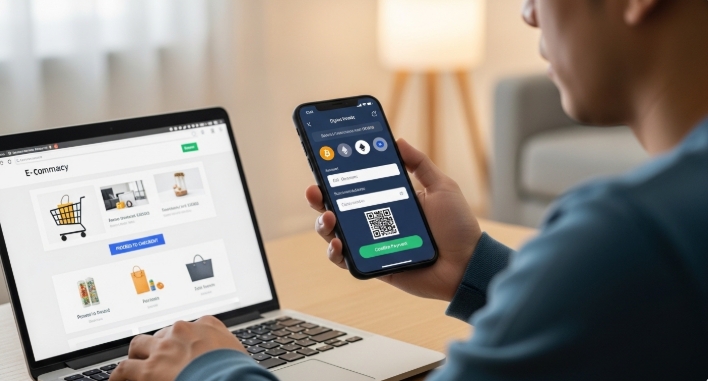
Crypto has moved beyond just being an investment people talk about online. More businesses, freelancers, and everyday users are starting to use it for actual payments, buying services, paying suppliers, and even handling cross-border transactions.
But using crypto for payments isn’t as straightforward as sending money through a bank app. There’s a system behind it, and understanding how it works will help you avoid mistakes, reduce costs, and use it more confidently.
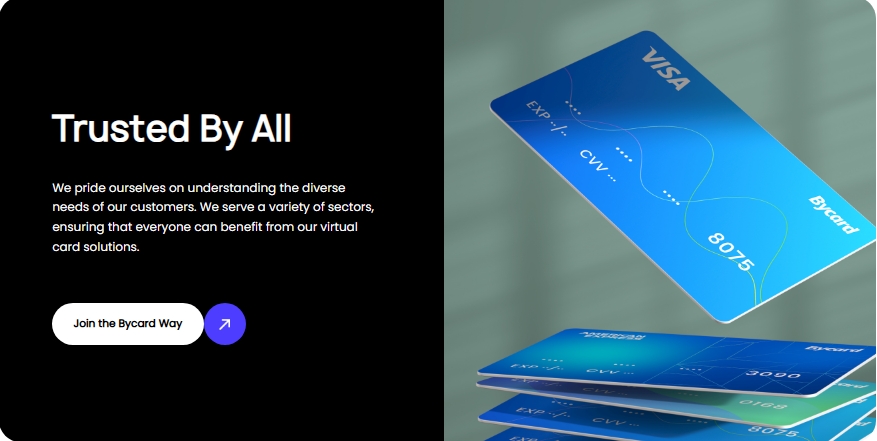
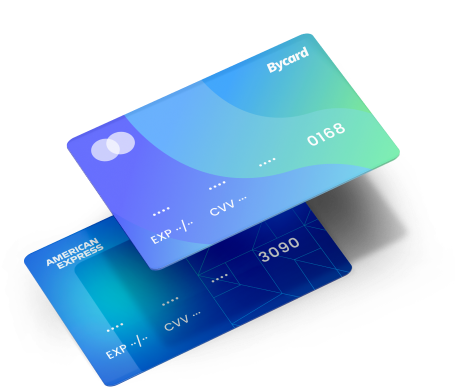
At the same time, tools like Bycard are making it easier to bridge the gap between crypto and everyday spending. Instead of figuring out complex wallet flows every time, users can manage crypto payments alongside structured spending tools, making the process feel closer to what people are already used to with traditional finance.
- Using Crypto for Payments: How It Works and What to Expect
What It Means to Use Crypto for Payments
At its core, paying with crypto simply means transferring digital assets from one wallet to another instead of using traditional banking channels.
Unlike card payments or bank transfers:
- There’s no central authority approving the transaction
- Payments are recorded on a public ledger (blockchain)
- Transactions can be near-instant or take a few minutes depending on the network
What makes this appealing is control. You’re not relying on a bank’s operating hours or worrying about cross-border restrictions.
How Crypto Payments Actually Work
1. Wallets Act as Your Payment Account
To send or receive crypto, you need a wallet. This can be:
- Mobile wallets (apps)
- Web wallets (browser-based)
- Hardware wallets (offline storage for higher security)
Each wallet has:
- A public address (like an account number)
- A private key (like your password, but far more sensitive)
Once someone has your wallet address, they can send you crypto. For users who don’t want to manage multiple wallets manually, platforms like Bycard simplify this by providing structured access to funds while still allowing interaction with crypto balances. This reduces the friction of switching between storage and spending tools.
2. Transactions Are Broadcast to the Network
When you send crypto:
- Your wallet creates a transaction request
- It’s broadcast to a network of computers (nodes)
- These nodes verify that you have enough balance
This step replaces what banks typically do behind the scenes. The verification process is what makes crypto trustless. Instead of relying on one institution, the network collectively agrees that a transaction is valid. This design reduces the chances of manipulation but can introduce delays if the network is congested.
3. Transactions Get Confirmed on the Blockchain
After verification:
- The transaction is grouped into a block
- Added to the blockchain
- Marked as confirmed
Depending on the network:
- Some payments confirm in seconds
- Others may take several minutes
Fees also vary based on how busy the network is. For users making frequent payments, these variations in speed and cost can affect planning. During peak periods, fees can rise significantly, which makes choosing the right network or timing transactions an important consideration.
4. The Receiver Gets the Funds
Once confirmed:
- The recipient sees the payment in their wallet
- Funds are available without needing a bank to “clear” anything
This is why crypto is often used for faster cross-border payments.
In practical terms, receiving funds is only one part of the process. The next step is using them efficiently. Bycard helps streamline this by allowing users to move from receiving crypto to actually spending it without unnecessary steps, especially in day-to-day transactions.
Types of Crypto Used for Payments

Not all cryptocurrencies are ideal for payments. Here’s how they differ in practical use:
Stablecoins
- Pegged to currencies like the US dollar
- Less price volatility
- Common for business transactions
Examples include USDT and USDC.
Stablecoins are often the preferred option for businesses because they make pricing predictable. If you invoice a client today, the value you receive tomorrow is likely to remain the same, unlike more volatile cryptocurrencies.
Bitcoin and Other Major Cryptos
- Widely accepted
- Can fluctuate in price
- Sometimes used for large transactions
While widely recognized, these assets are less practical for routine payments due to price swings. However, they are still used in scenarios where accessibility and global recognition matter more than stability.
Payment-Focused Tokens
- Built for speed and low fees
- Often used in specific ecosystems
Each option affects how predictable your payment value will be.
Where Crypto Payments Make Sense
Cross-Border Transactions
Sending money internationally through banks can take days and include multiple fees. Crypto reduces:
- Transfer time
- Intermediaries
- Currency conversion layers
Freelance and Remote Work
Many freelancers now accept crypto because:
- Payments arrive faster
- No dependency on local banking limitations
- Easier access for global clients
Online Businesses
Ecommerce stores and digital service providers use crypto to:
- Accept global payments
- Avoid chargebacks
- Reduce payment processing costs
For these use cases, managing incoming crypto alongside outgoing expenses can become complex. Bycard helps bring structure by allowing businesses to organize spending, separate operational costs, and maintain clearer visibility over how funds are used.
Costs You Should Expect
Crypto isn’t “free.” The costs just look different.
Transaction Fees
- Paid to the network, not a bank
- Can be low or high depending on congestion
Conversion Costs
If you convert crypto to cash:
- Exchanges charge a percentage
- Rates may vary slightly from market price
Volatility Risk
If you accept payment in a volatile crypto:
- Value can change before you convert it
This is why many businesses prefer stablecoins.
Risks and Limitations to Be Aware Of
Irreversible Transactions
Once you send crypto:
- You can’t reverse it
- Mistakes (like wrong addresses) can lead to permanent loss
Security Responsibility
You are fully responsible for:
- Keeping your private keys safe
- Avoiding phishing links or fake platforms
There’s no “reset password” option if keys are lost.
Regulatory Differences
Crypto rules vary by country. Some regions:
- Support it openly
- Restrict or regulate usage heavily
This affects how easily you can convert crypto to local currency.
Practical Tips for Using Crypto Payments
Start Small
Before using crypto for large payments:
- Test with small transactions
- Get comfortable with the process
Use Trusted Wallets and Platforms
Avoid unknown apps. Stick to:
- Well-reviewed wallets
- Established exchanges
Double-Check Wallet Addresses
Always verify:
- The full address
- The correct network (e.g., ERC-20 vs TRC-20)
One wrong character can send funds to the wrong place.

Perfect Card for running ads!
Separate Spending from Storage
If you’re using crypto regularly:
- Keep a “spending wallet” for transactions
- Store larger amounts in a more secure wallet
This reduces risk if one wallet is compromised.
Track Your Transactions
For personal or business use:
- Keep records of payments
- Monitor fees and conversion rates
This helps with budgeting and reporting.
What to Expect Going Forward
Crypto payments are still evolving. Adoption is growing, but there are still gaps:
- Not all businesses accept crypto
- User experience can be confusing for beginners
- Regulations are still catching up
At the same time:
- Payment tools are improving
- Stablecoins are becoming more common
- Integration with traditional finance is increasing
Conclusion
Using crypto for payments isn’t just about speed or avoiding banks. It’s about having more control over how money moves.
That said, it comes with responsibility. You need to understand how transactions work, stay alert to risks, and choose the right tools for your needs.
Solutions like Bycard make this transition more practical by helping users manage, spend, and organize crypto funds without unnecessary complexity. Instead of replacing traditional systems entirely, it allows you to use crypto in a way that fits into your existing financial habits.
If you approach it practically, testing, learning, and setting up proper safeguards, crypto can become a useful option alongside traditional payment methods, not necessarily a replacement but a strong alternative in the right situations.

CATEGORIES
Wise or Revolut? Comparing the Best Multi-Currency Card
Wise Alternatives That Make Payment Faster and Currency Conversion Simple
Wire Transfer vs Bank Transfer for Better & Swift Business Payments

Why Travel Rewards Credit Cards are Highly Important
Why the Ramp Card Might Be the Best Business Card

Why Sales and Discounts Make You Overspend
