
 Log in
Meta Moves to Launch Stablecoin Payments Across Its Platforms: What We Know So Far
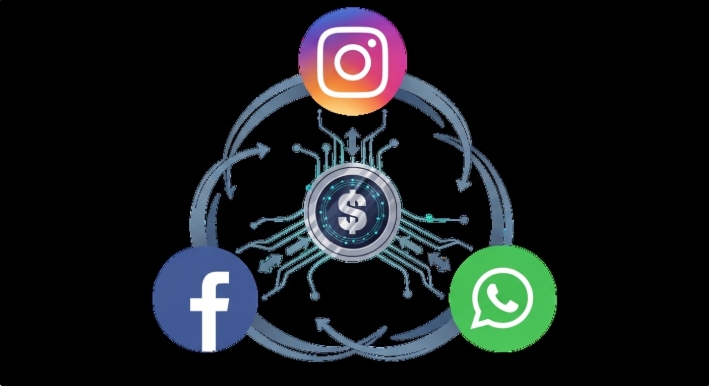
The conversation around digital payments is shifting again, and this time, Meta is back in the spotlight.
After stepping away from its earlier crypto ambitions, Meta Platforms is reportedly exploring stablecoin payments across its ecosystem. That includes platforms like Facebook, Instagram, and WhatsApp.If this rollout happens, it won’t just affect social payments. It could influence how digital dollars move across the internet, and how users eventually spend them. Platforms like Bycard, which already connect digital asset balances to global virtual card payments, show that the infrastructure to bridge stablecoin into everyday spending is already taking shape.
- Meta Moves to Launch Stablecoin Payments Across Its Platforms: What We Know So Far
- Why Meta Is Revisiting Stablecoin Payments
- How Blockchain-Based Dollar Payments Could Function Inside Meta Apps
- Digital Dollar Infrastructure and Where Bycard Fits
- Legal Considerations for Dollar-Pegged Digital Assets
- What Digital Dollar Integration Could Change for Users
- Risks and Execution Challenges
- Could Stablecoin Become Invisible?
Why Meta Is Revisiting Stablecoin Payments
Meta isn’t new to digital currency. In 2019, it introduced a blockchain-based project under the Diem Association (originally Libra). The idea was to build a global payment system embedded into its apps.
Regulatory resistance was immediate. Concerns around monetary control, consumer protection, and systemic risk ultimately led to the project’s shutdown.
So why revisit stablecoin now?
1. Cross-Border Payments Still Have Friction
International transfers remain expensive and slow. According to World Bank data, global remittance fees average between 5–7%, with settlement times ranging from hours to several days depending on corridors.
A digital dollar transfer, by contrast, can settle in minutes and cost significantly less, particularly when executed on efficient blockchain networks.
For a platform operating at Meta’s scale, shaving even small percentages off transaction costs can represent billions in efficiency gains.
2. Creator Monetization Needs Faster Settlement
Meta’s platforms host millions of creators earning through:
- Brand deals
- Affiliate links
- Subscriptions
- Marketplace sales
Yet payout systems often rely on traditional banks, creating delays and FX losses.
Digital asset payouts could enable near-instant global settlement.
But settlement is only part of the equation. Once creators receive stablecoin, they need ways to actually use it. This is where payment infrastructure providers like Bycard become relevant, converting digital balances into globally accepted virtual cards for subscriptions, ads, and business tools.
Without that bridge, digital dollar remains trapped inside wallets.
3. The Stablecoin Market Has Matured
In 2019, the ecosystem was still evolving. Today, it’s more robust.
Major issuers like Tether and Circle process billions in daily transaction volume. Institutional participation has increased. Regulatory frameworks, while still developing, are clearer in major economies.
The global digital asset market has at various times surpassed $150 billion in circulating supply. This is no longer an experimental niche, it is active financial infrastructure.
Meta isn’t building from scratch. It would be plugging into an already functioning layer.
How Blockchain-Based Dollar Payments Could Function Inside Meta Apps
If integrated thoughtfully, blockchain-based functionality could show up in subtle but powerful ways.
WhatsApp and Cross-Border Transfers
On WhatsApp, peer-to-peer payments already exist in select countries.
Stablecoin integration could allow:
- Instant dollar-equivalent transfers
- Lower remittance costs
- Real-time settlement across borders
For families sending money home, even a 2–3% reduction in fees can make a measurable difference over time.
Instagram Creator Payouts
On Instagram, creators often wait days for payments to clear.
Blockchain-Based payouts could:
- Reduce settlement delays
- Minimize FX conversion losses
- Enable seamless international brand partnerships
And once paid, creators could move those funds into usable spending tools through providers like Bycard, closing the gap between earning in digital dollar and spending in traditional commerce systems.
Facebook Marketplace Transactions
Facebook Marketplace processes millions of listings globally.
Embedding digital dollar into checkout flows could:
- Simplify buyer-seller payments
- Reduce chargeback disputes
- Lower processing fees
For sellers receiving stablecoin, integrated spending solutions would again become essential, whether that’s direct on-platform use or converting balances into virtual cards for supplier payments and ad spend.
Digital Dollar Infrastructure and Where Bycard Fits
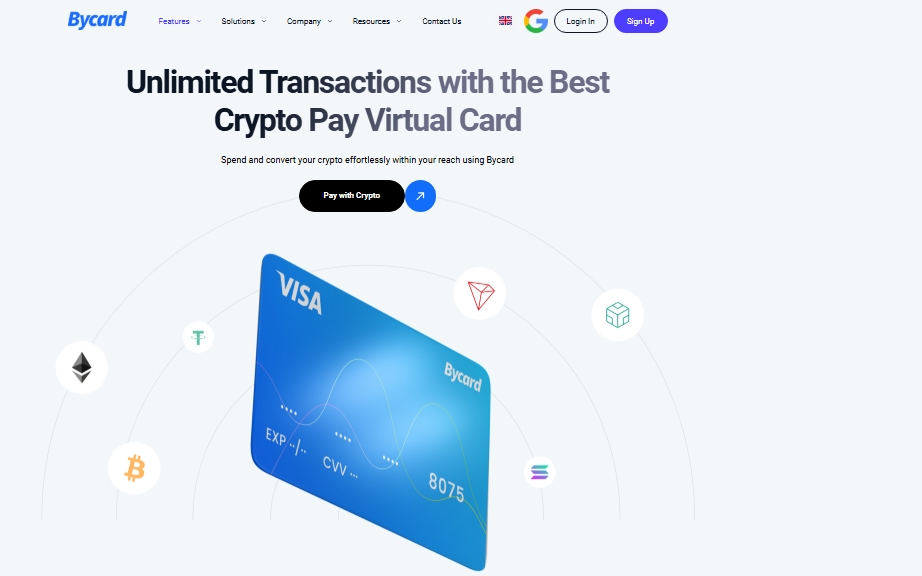
One critical question remains: once a user receives a digital dollar inside Meta’s ecosystem, how do they spend it in the real world?
This is where fintech platforms outside Meta’s ecosystem become relevant.
For example, Bycard provides virtual card infrastructure that connects digital assets to global spending networks. Instead of off-ramping through traditional banks, users can convert supported digital balances into usable card payments for subscriptions, online shopping, ad spend, and business tools.
In practical terms, here’s how this could connect:
- A creator receives digital dollar through Instagram.
- Instead of withdrawing to a local bank with high FX spreads, they convert and fund a virtual card.
- They use that card to pay for tools like hosting, ads, or software subscriptions.
This type of bridge is essential.
Stablecoin on its own is settlement infrastructure. Platforms like Bycard handle usability, turning digital balances into spendable value within global commerce networks.
For freelancers, remote workers, and online businesses, this closes the loop between earning and spending.
Legal Considerations for Dollar-Pegged Digital Assets
Regulatory scrutiny will be intense.
After the Diem chapter, Meta is unlikely to issue its own proprietary stablecoin. A more probable approach is partnering with licensed issuers.
Key areas regulators will examine:
- Reserve transparency
- Anti-money laundering compliance
- Consumer protection safeguards
- Data privacy separation between payments and social data
The U.S., EU, and several Asian markets are formalizing digital asset frameworks. Meta’s rollout strategy will likely follow the path of regulatory alignment rather than confrontation.
What Digital Dollar Integration Could Change for Users

Let’s make this practical.
Faster Settlement
Traditional bank payout: 1–3 business days
Digital Dollar payout: often within minutes
For freelancers relying on timely cash flow, this matters.
Lower Fees
Blockchain transfers often cost less than traditional wires, especially cross-border.
At scale, this reduces operational overhead for businesses.
Dollar Access in Volatile Economies
In regions experiencing currency instability, holding value in a dollar-pegged digital dollar can reduce exposure to rapid depreciation.
For many users globally, this is not speculation, it’s risk management.

Perfect Card for Transactions!
Risks and Execution Challenges
- Regulatory pushback
- Custody and wallet security
- Issuer transparency concerns
- User education barriers
Execution will determine whether this becomes seamless infrastructure or regulatory friction.
Could Stablecoin Become Invisible?
The most interesting scenario is one where users don’t even realize they’re using stablecoin.
They just see:
- Instant transfers
- Lower fees
- Fewer settlement delays
When payment infrastructure fades into the background, adoption accelerates.
Meta’s design strength lies in hiding complexity behind simple user experiences. If stablecoin is implemented this way, mainstream exposure could expand rapidly.
Conclusion
Meta’s renewed interest signals that stablecoin is steadily moving into mainstream payment infrastructure.
But adoption doesn’t stop at settlement. If digital dollars become embedded inside Facebook, Instagram, and WhatsApp, users will need practical ways to move from receiving digital dollars to actually using them. That’s where external infrastructure, including platforms like Bycard, becomes important, helping convert digital dollar balances into real-world purchasing power.
When people can earn digitally, access funds instantly, and spend globally without friction, the payment experience starts to feel seamless rather than experimental. If executed carefully, this could mark a structural shift in how stablecoin transitions from blockchain networks into everyday commerce.
And this time, the focus isn’t on launching a new currency. It’s on integrating stablecoin into platforms people already use daily, quietly reshaping how money moves online.

CATEGORIES
Wise or Revolut? Comparing the Best Multi-Currency Card
Wise Alternatives That Make Payment Faster and Currency Conversion Simple

Wire Transfer vs Bank Transfer for Better & Swift Business Payments

Why Travel Rewards Credit Cards are Highly Important
Why the Ramp Card Might Be the Best Business Card

Why Sales and Discounts Make You Overspend
