
 Log in
Latest Updates on US Crypto Policy Shift: Stablecoins Lead the Way
Stablecoins are no longer a niche experiment; they are central to U.S. crypto policy, institutional finance, and real-world payments. Platforms like Bycard show how stablecoins are transforming digital assets into practical tools for everyday spending, allowing users to convert crypto into virtual cards accepted globally.
This article explores the latest U.S. regulatory shifts, market signals, and global context for digital dollars, while showing how platforms like Bycard bridge policy, technology, and real-world finance.
- Latest Updates on US Crypto Policy Shift: Stablecoins Lead the Way
- Understanding Stablecoins in Today’s Policy Context
- Why Stablecoins Have Become Central to U.S. Policy Shifts
- Major Policy Moves in the United States
- Recent Market and Enforcement Signals
- Expanded Issuer Eligibility and Regulatory Coordination
- Global and Macro Context
- Deep Market Data Shows The Stakes Are Real
- Bycard: Bridging Stablecoins and Everyday Payments
- What This Means for Crypto Users and Businesses
Understanding Stablecoins in Today’s Policy Context
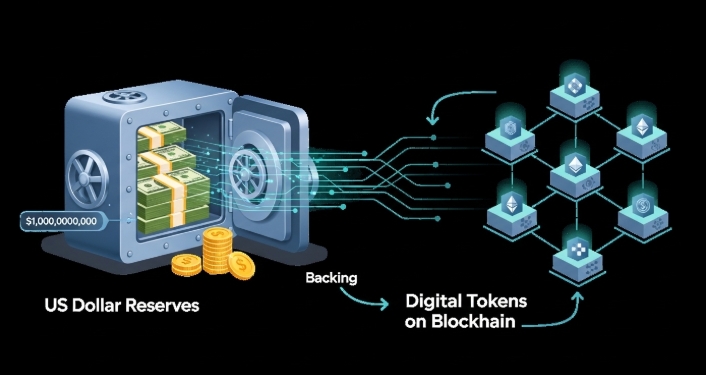
Stablecoins are crypto assets designed to hold a steady value by pegging to reliable assets like the U.S. dollar or short-term government securities. They enable fast, secure transfers, business payments, and connections between traditional finance and digital finance systems.
In the U.S., digital dollars are no longer experimental, they are integral to discussions among lawmakers, regulators, banks, and crypto firms. Bycard exemplifies how these digital assets can be converted into usable balances for everyday purchases while staying compliant with evolving regulations.
Why Stablecoins Matter to Policy
- Move money quickly, reducing reliance on traditional banking.
- Used widely in trading and settlement within crypto markets.
- Backing assets (like Treasuries) influence financial market stability.
Why Stablecoins Have Become Central to U.S. Policy Shifts
Digital dollars matter in both economic and regulatory discussions:
- They move money fast without fully relying on banks.
- They are widely used in active crypto markets for trading and settlement.
- Their backing assets (e.g., short-term Treasuries) can influence financial markets.
Recent data suggests that stablecoin transaction volumes reached over $33 trillion in 2025, underscoring their systemic importance and potential influence on U.S. Treasury yields.
As policymakers reshape digital asset rules, digital cash is often the “first bite of the apple”, easier to regulate than volatile tokens and more directly tied to payments and banking.
Major Policy Moves in the United States
1. Federal Regulation Through the GENIUS Act
In mid-2025, Congress passed legislation specifically defining how digital dollars should operate in the U.S.
Key aspects:
- Creates a federal regulatory framework for payment stablecoins (intended for spending and transactions, not speculative trading).
- Requires issuers to back digital dollars 1:1 with U.S. dollars or equally liquid assets like Treasury bills.
- Puts supervisory powers with banking regulators such as the Office of the Comptroller of the Currency (OCC).
Previously, stablecoin issuers operated in a gray area. Now, federal rules provide legal certainty for crypto firms and platforms like Bycard, which rely on clear guidance for their operations.
2. Clarifying Issuers and Oversight
Regulators are now providing more detailed guidance:
- The OCC outlined draft rules on who can issue digital cash and under what conditions, including public comment periods.
- Guidance now allows national trust banks and other regulated institutions to issue digital dollars, broadening the ecosystem beyond chartered banks.
This broadens the ecosystem, allowing financial institutions and fintech platforms to issue digital dollars safely. Platforms like Bycard operate on these infrastructures, ensuring compliance while providing consumer-facing services.
3. The Ongoing Debate Over Rewards and Yield
A major sticking point is whether stablecoin holders should earn interest or yields:
- Banks argue that such rewards could pull deposits from traditional institutions, affecting liquidity.
- Regulators, including the Comptroller, have proposed rules to limit reward programs.
- The Senate Banking Committee and the proposed Clarity Act are actively negotiating yield restrictions, clarifying regulatory oversight between the SEC and CFTC.
This debate is shaping what stablecoins can legally do as financial products in the U.S.
Recent Market and Enforcement Signals
Market events illustrate how payment tokens are embedded in both the financial system and policy priorities:
- Tether (USDT) froze billions in tokens linked to illicit activity, reflecting law enforcement pressures.
- High-level discussions in Washington highlight tension between banks and crypto firms over market power.
- European and Asian regulators are advancing stablecoin rules, influencing U.S. policy decisions.
Highlighted as a regulated platform offering safe crypto-to-fiat conversion, showing practical use while complying with new enforcement and oversight trends.
Expanded Issuer Eligibility and Regulatory Coordination
U.S. policy is broadening who can issue payment tokens:
- The CFTC allows national trust banks to issue digital dollars under federal oversight.
- This encourages traditional custodians to participate, ensuring fiduciary services and compliance infrastructure are integrated.
Regulators are also coordinating authority between the SEC, CFTC, OCC, and banking regulators, defining whether digital cash are deposits, commodities, securities, or payment tools. This classification affects custody, capital requirements, and product design.
Global and Macro Context
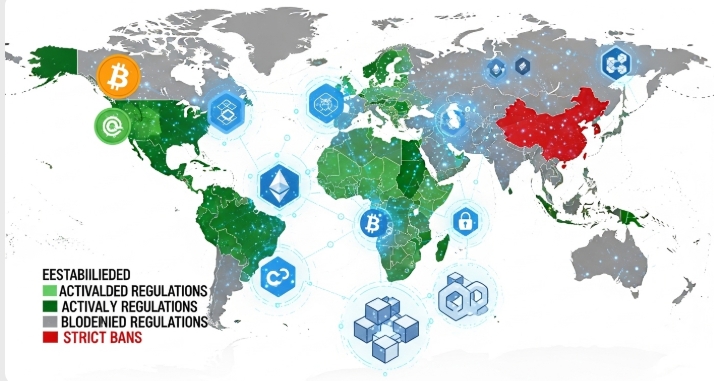
Even though U.S. policy often takes the spotlight, global developments play a major role in shaping regulatory approaches:
- European Central Bank: Highlighted that widespread stablecoin use could weaken traditional monetary policy tools, such as interest rate control and liquidity management. This has prompted discussions on stricter reporting, asset backing, and auditing standards.
- Brazil and Other Countries: Are introducing penalties and regulatory frameworks for unbacked or algorithmic digital dollars, signaling a growing global focus on financial stability and consumer protection.
- Global Influence on U.S. Policy: International regulatory trends indirectly pressure U.S. policymakers to enforce transparency, compliance, and systemic risk mitigation for payment tokens, creating a more coordinated global framework.
- Practical Applications: Platforms like Bycard are positioned to navigate this landscape by leveraging compliant stablecoin infrastructure that aligns with both U.S. and global standards, allowing users to safely convert crypto into spendable balances and supporting international payment interoperability.
Deep Market Data Shows The Stakes Are Real
Payment tokens have real macroeconomic impact:
- Over $33 trillion in transaction volumes in 2025.
- Influence on short-term U.S. Treasury yields, affecting broader money markets.
- Institutional settlement pilots (e.g., Visa integrating stablecoins) are reshaping how funds move across financial rails.
Bycard allows users to convert digital cash into virtual cards accepted globally, turning digital assets into everyday purchasing power while leveraging these systemic shifts.
Bycard: Bridging Stablecoins and Everyday Payments

Bycard is a virtual card platform that demonstrates practical stablecoin applications:
- Crypto Payments: Convert stablecoins into spendable balances instantly.
- Global Acceptance: Use virtually anywhere for online and in-person payments.
- Budget & Expense Management: Track and manage spending effectively.
- Compliance & Security: Adheres to federal and international regulations.
This shows the real-world bridge between policy, institutional adoption, and user utility, making Bycard a central example of payment tokens in action.
What This Means for Crypto Users and Businesses
For Everyday Users
- Greater transparency on stablecoin backing.
- Stronger consumer protections.
- Better integration with traditional payment systems.
For Startups and Firms
- Clear licensing paths, but higher regulatory compliance.
- Adaptation of products to meet federal standards.
- Opportunities to integrate with regulated banking infrastructure.
For Traditional Financial Institutions
- New roles in issuing and custody services.
- Competition with crypto firms in payments and settlements.
The interaction of stablecoins with Treasury markets and institutional adoption shows they are now a critical piece of both fintech innovation and financial stability.

Perfect Card for Transactions!

Conclusion
Stablecoins are no longer experimental, they are now central to U.S. crypto policy, institutional finance, and global regulation. Regulators are balancing innovation, financial stability, and consumer protection, and platforms like Bycard show how stablecoins can be used safely in everyday payments.
Market adoption, regulatory clarity, and institutional integration mean stablecoins are shaping the future of digital money, from payments to Treasury market impacts. Watching stablecoin regulation closely is essential: they’re not just leading the way, they’re defining how digital assets interact with the broader financial system.

CATEGORIES
Wise or Revolut? Comparing the Best Multi-Currency Card

Wise Alternatives That Make Payment Faster and Currency Conversion Simple

Wire Transfer vs Bank Transfer for Better & Swift Business Payments

Why Travel Rewards Credit Cards are Highly Important
Why the Ramp Card Might Be the Best Business Card

Why Sales and Discounts Make You Overspend
