
 Log in
Real Crypto Adoption vs Marketing Hype in 2026
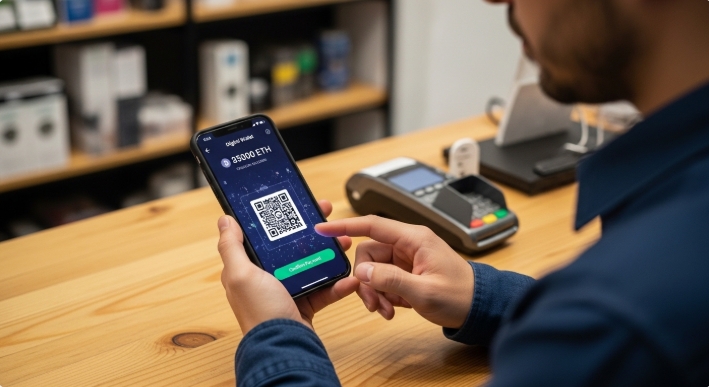
Not all adoption news is created equal. Here’s how to spot real progress from hype.
Every week brings fresh headlines about crypto “going mainstream.” A Fortune 500 company announces a blockchain partnership. A government adds Bitcoin to its treasury. Another exchange lists a token with ambitious utility promises. But for skeptical investors tired of empty promises, the question remains: which developments actually matter?
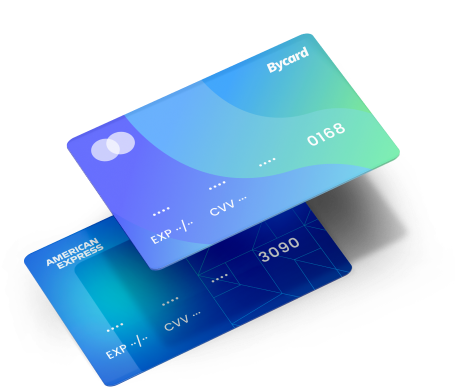
Part of the confusion comes from how adoption is measured. Some headlines focus on institutional investment or government reserves, while others highlight new infrastructure that allows people to actually use digital assets in everyday life. Payment bridges, global transaction networks, and crypto-linked payment cards, like those offered by Bycard, are increasingly designed to make digital assets usable in real-world commerce rather than just something held in a wallet.
In 2026, distinguishing signal from noise has never been more critical. The difference between genuine adoption milestones and marketing narratives can mean the difference between investing in the future and buying into vaporware.
Government Holdings ≠ Transactional Adoption
- Transaction volume for everyday purchases
- Remittance corridors where crypto reduces costs
- P2P transfers replacing traditional banking
- Commerce platforms settling in digital assets
A country holding 10,000 BTC in treasury bonds tells you politicians see crypto as an investment. Ten thousand daily Bitcoin transactions for goods and services tells you citizens see it as money. Only the latter transforms economic infrastructure.
Infrastructure Completion Matters More Than Partnership Announcements
The crypto space loves partnership announcements. “Major retailers to explore blockchain solutions.” “Tech giant partners with Layer-1 protocol.” These press releases generate buzz, but rarely specify deliverables, timelines, or actual product integration.
Meanwhile, the unglamorous work of building real infrastructure goes underreported:
- Payment processors that settle crypto transactions in seconds
- Liquidity pools deep enough for commercial-scale operations
- Wallet integration that actually works for non-technical users
- Customer support systems operating 24/7 to resolve real issues
When evaluating adoption claims, ask: Is there a working product? Can users complete transactions right now? Is there actual liquidity and support infrastructure?
Vaporware partnerships make headlines. Functional infrastructure makes adoption possible. The platforms quietly process thousands of daily transactions, convert crypto to local currency, provide instant settlement, maintain competitive rates, these represent real progress even when they lack flashy announcements.
Where Bycard Fits in Real Crypto Adoption

While much of the conversation around crypto focuses on markets and speculation, another key factor in adoption is how easily people can actually spend digital assets in everyday life.
Platforms like Bycard aim to bridge the gap between crypto ownership and real-world usability by providing tools that connect digital assets with global payment systems.
Some ways services like Bycard contribute to practical adoption include:
- Connecting crypto to everyday payments so users can spend digital assets through card networks accepted by online and international merchants.
- Reducing friction between wallets and traditional finance, removing the need for multiple conversions or bank transfers before spending funds.
- Supporting cross-border transactions, allowing users to pay for global services even when local banking access is limited.
- Making digital assets more practical, shifting them from something people only hold or trade into something they can use for real purchases.
When infrastructure like this becomes widely available, crypto moves beyond speculation and closer to becoming a functional part of everyday financial activity.

Perfect Card for running ads!
African Utility vs Western Speculation
Perhaps nowhere is the adoption vs hype divide more visible than in the geographic split between utility-driven and speculation-driven markets.
In Western markets, much of 2026’s “adoption” means:
- ETF trading by investors who never touch a wallet
- Speculative token launches with minimal utility
- Corporate treasury diversification (holding, not using)
- Retail trading on centralized exchanges
These activities have value, but they’re primarily financial speculation, crypto as an investment vehicle, not a utility.
Contrast this with adoption patterns emerging across Africa, where crypto solves immediate, practical problems:
- Currency instability: When local fiat loses 20-30% purchasing power annually, stablecoins become practical savings tools, not speculation.
- Remittance costs: Traditional cross-border transfers charge 8-12% fees and take days. Crypto-based solutions cut this to under 2% with near-instant settlement.
- Capital controls: When governments restrict foreign currency access, crypto provides an alternative for commerce and savings.
- Banking gaps: For populations without traditional bank access, crypto platforms offer financial services through just a smartphone.
Platforms like Xbankang process thousands of transactions daily, users converting gift cards and crypto to dollars for real expenses. This isn’t speculation; it’s people using digital assets as functional money for rent, groceries, and business operations. The infrastructure provides instant payouts, competitive rates, and round-the-clock support because real adoption requires real reliability.
This utility-first approach defines genuine adoption. When crypto solves problems better than alternatives, people use it regardless of price charts. When it’s primarily an investment vehicle, adoption claims ring hollow.
The Verdict: How to Identify Real Adoption

As you navigate 2026’s endless adoption announcements, apply this filter:
Real adoption indicators:
- Growing transaction counts (not just trading volume)
- Infrastructure serving actual user needs
- Solutions to concrete problems (remittances, inflation, access)
- Working products, not future promises
- Repeat usage patterns, not one-time stunts
Marketing hype indicators:
- Partnership announcements with no deliverables
- Government holdings without transactional use
- Speculative trading presented as mainstream acceptance
- Token launches emphasizing price over utility
- Vague timelines for “upcoming” integration
The future of crypto won’t be built on press releases. It will be built on infrastructure that works, platforms that solve real problems, and actual people using digital assets for commerce.
Focus on fundamentals. Measure adoption by utility, not headlines. And remember: the most important adoption milestones often happen quietly, one transaction at a time.
Conclusion
Crypto adoption in 2026 is no longer just about price charts or high-profile announcements. Real progress is happening where digital assets are integrated into everyday financial activity, payments, remittances, commerce, and cross-border transfers.
The difference between hype and reality often comes down to infrastructure. Governments holding digital assets or companies announcing partnerships may generate headlines, but real adoption occurs when people can easily move, spend, and rely on crypto for daily transactions.
As the ecosystem matures, platforms that bridge blockchain assets with practical payment systems will continue to play an important role. Whether through remittance services, payment processors, or crypto-linked cards like those offered by Bycard, the true measure of adoption will always be simple: Are people actually using it?

CATEGORIES
Wise or Revolut? Comparing the Best Multi-Currency Card
Wise Alternatives That Make Payment Faster and Currency Conversion Simple

Wire Transfer vs Bank Transfer for Better & Swift Business Payments

Why Travel Rewards Credit Cards are Highly Important

Why the Ramp Card Might Be the Best Business Card

Why Sales and Discounts Make You Overspend
