
 Log in
What Stablecoin Acceleration Means for Freelancers and Remote Workers

Freelancing used to mean freedom. Today, it also means navigating cross-border payments, platform fees, currency swings, and long settlement times.
That’s why conversations around Stablecoin usage are getting louder.
From New York to London, from Manila to Mexico City, freelancers and remote workers are exploring how Stablecoin rails are changing how they get paid, store value, and move money globally. This shift is not theoretical. It’s already happening in marketplaces, payroll tools, and cross-border contracts
- What Stablecoin Acceleration Means for Freelancers and Remote Workers
- Why Stablecoin Matters in the Gig Economy
- The Payment Problem Freelancers Know Too Well
- What Stablecoin Acceleration Really Means
- Why Freelancers Are Paying Attention
- How Stablecoin Is Already Being Used in Freelance Work
- Where Bycard Comes In: Bridging Fiat-backed tokens and Daily Finances
- The Data Behind Fiat-backed token Growth
- Practical Implications for Remote Workers
- Risks Freelancers Should Understand
- What Stable Digital Currency Acceleration Signals Long Term
- Should Freelancers Switch Today?
Why Stablecoin Matters in the Gig Economy
Freelancing is global by nature. You might work with a client in New York, invoice them from Germany, and get paid in euros, sometimes complicated and expensive when you go through banks.
Digital dollars helps remove several pain points:
- It holds a consistent value tied to a stable fiat currency (usually USD).
- Transactions settle quickly, often within minutes instead of days.
- You can send value across borders with very little cost compared to traditional bank wires.
Across major blockchains, Digital dollars volumes have grown rapidly as global settlement rails, increasingly used for payments and treasury management.
For freelancers, that means more efficient invoicing, fewer fees, and better control over when and how they access funds.
The Payment Problem Freelancers Know Too Well
If you work remotely for international clients, you’ve probably experienced at least one of these:
- 3–5 business day settlement delays
- High FX conversion fees
- Unexpected intermediary bank deductions
- Platform withdrawal charges
- Local currency volatility
Traditional cross-border systems were built for banks, not independent workers. A freelancer in Nigeria invoicing a client in the U.S. often loses money at multiple stages, before it even reaches their account.
This is where Stable digital currency infrastructure enters the conversation.
What Stablecoin Acceleration Really Means
When we talk about Stablecoin acceleration, we’re referring to three measurable shifts:
- Increased transaction volume
- Broader integration into financial platforms
- Growing regulatory clarity in major markets
According to public blockchain data from issuers like Tether and Circle, stablecoin settlement volumes have reached trillions of dollars annually in recent years. A large portion of that activity is cross-border.
For freelancers, this acceleration means one thing: infrastructure is maturing.
It’s no longer just crypto traders using Stable digital currency. It’s contractors, digital nomads, agencies, and remote-first startups.
Why Freelancers Are Paying Attention
1. Faster Settlement Times
A traditional SWIFT transfer may take several days. A digital dollars transaction on networks like Ethereum or Solana can settle in minutes.
For a freelancer managing cash flow monthly, that timing difference matters.
2. Reduced Intermediary Costs
Cross-border bank wires can cost anywhere from $15 to $50 per transaction, sometimes more with correspondent bank deductions.
With digital dollar transfers, fees are typically network-based rather than percentage-based. On certain chains, transaction costs can be less than a dollar.
Protection from Local Currency Volatility
Freelancers in emerging markets often convert foreign earnings into local currency immediately, sometimes out of necessity.
Holding earnings in dollar-pegged Digital dollars can offer temporary stability against local inflation or FX swings. This is particularly relevant in high-volatility economies.
How Stablecoin Is Already Being Used in Freelance Work
This isn’t speculative. Here are real use cases emerging globally.
Direct Client Payments
Some clients now pay contractors directly in digital dollars, especially in tech and Web3 industries. Instead of sending a bank wire, they transfer digital dollars to a wallet address.
Marketplace Withdrawals
Certain global platforms are experimenting with or integrating Stable digital currency withdrawal options. While not yet universal, the trend is clear: demand is rising.
Cross-Border Agency Payroll
Remote-first startups managing distributed teams use Fiat-backed tokens to streamline payroll in multiple countries without setting up local bank entities.
Where Bycard Comes In: Bridging Fiat-backed tokens and Daily Finances
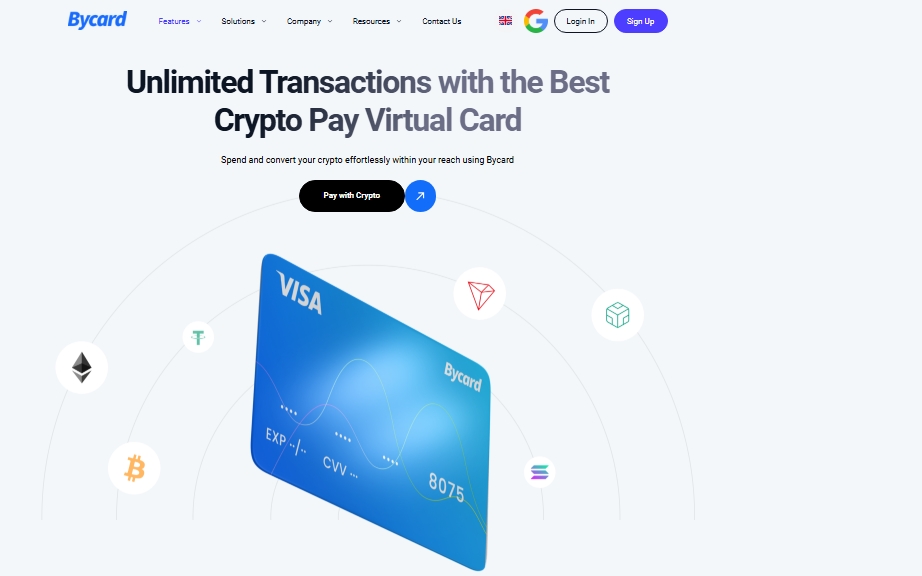
One big challenge for freelancers is converting digital value into everyday spending. That’s where Bycard enters the picture.
Bycard offers virtual card infrastructure that lets users convert stablecoins like USDT directly into card spending.
What Bycard Does for Freelancers
Here’s how Bycard supports remote workers in a Stablecoin-enabled ecosystem:
Instant Virtual Cards
Freelancers can generate virtual cards in minutes, no waiting for physical plastic or bank turnaround times. These cards can be used for:
- Online subscriptions
- Vendor payments
- Ad spend
- Travel and software purchases
Crypto to Fiat Conversion
Bycard lets you top up your wallet with Fiat-backed tokens like USDT and convert them instantly to fiat currency for spending. This makes digital dollars feel practical beyond crypto wallets.
Global Spending Power
Bycard’s virtual cards are accepted globally through major networks like Visa and Mastercard, so freelancers can spend anywhere without worrying about bank restrictions or currency conversion hassles.
Secure Spending Controls
Freelancers can manage:
- Custom spending limits
- Freeze or unblock cards instantly
- Track transactions in real time
This helps protect funds and keeps freelance finances organized.
The Data Behind Fiat-backed token Growth
The growth of digital dollars infrastructure is measurable:
- Stablecoin transaction volumes now rival or exceed major card networks in raw settlement value (though use cases differ).
- Dollar-backed Fiat-backed tokens represent the majority share of total supply.
- Emerging markets show some of the highest peer-to-peer digital dollars adoption rates.
Why does this matter for freelancers?
Because adoption tends to follow efficiency. When businesses find a faster, cheaper rail, they integrate it.
And freelancers are often the first to feel that shift.
Practical Implications for Remote Workers
Let’s move from theory to application.
Invoicing
Freelancers can now include a Stablecoin payment option alongside traditional bank details. This creates flexibility for international clients.
Treasury Strategy
Instead of converting 100% of earnings immediately, some remote workers split funds:
- Portion to local bank for expenses
- Portion held in Fiat-backed tokens for savings or reinvestment
Cross-Border Spending
Many fintech platforms now allow users to convert fiat-backed token balances into virtual cards or local currency when needed, creating a hybrid financial setup.
Risks Freelancers Should Understand
Acceleration does not mean zero risk.
Regulatory Uncertainty
Regulations differ across countries. What’s allowed in one jurisdiction may be restricted in another.
Counterparty Risk
Not all Stable digital currency are structured the same. Some are fully reserved; others use different backing mechanisms.
Freelancers commonly encounter products from issuers like Circle (issuer of USDC) and Tether (issuer of USDT). Each publishes reserve transparency reports, but due diligence still matters.
Wallet Security
Managing Fiat-backed tokens requires responsibility:
- Private key protection
- Avoiding phishing links
- Using reputable platforms
Payment freedom also means self-custody awareness.
What Stable Digital Currency Acceleration Signals Long Term
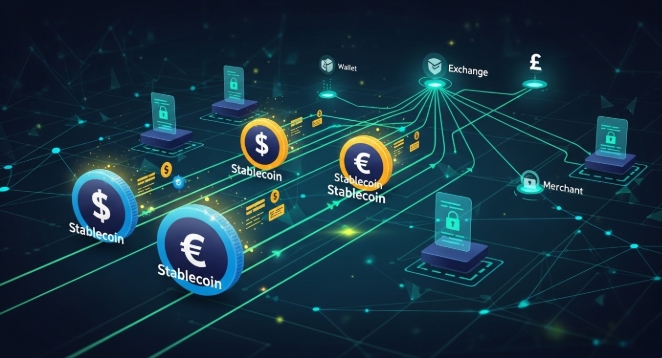
We’re seeing a broader shift: money becoming more programmable and borderless.
For freelancers, this suggests:
- More negotiation leverage over payment methods
- Faster access to global clients
- Fewer dependency layers on traditional correspondent banking
However, traditional banking will not disappear. Instead, we’re moving toward hybrid systems where Stable digital currency rails coexist with bank rails.
That hybrid model may define the next phase of remote work compensation.
Should Freelancers Switch Today?
Not necessarily all at once.
A practical approach could look like this:
- Start by understanding how stablecoin wallets work
- Test a small payment with a trusted client
- Compare fees and settlement times
- Evaluate local compliance requirements
This isn’t about replacing banks overnight. It’s about expanding options.
Conclusion
Stablecoin acceleration is not just a passing trend; it is creating new financial pathways for freelancers and remote workers who rely on predictable global value, faster settlement times, lower transaction fees, and practical ways to spend their income across borders. As platforms like Bycard convert digital assets into usable, everyday payment tools, that pathway becomes much easier to navigate.
Freelancers no longer have to see Fiat-backed tokens as something technical or niche. Instead, they can approach Digital dollars infrastructure as financial rails that allow them to get paid, hold value, and spend with fewer delays and fewer intermediaries. This blend of digital currency and real-world payment functionality is gradually reshaping how remote work income moves, and freelancers are among the first to experience its impact.

CATEGORIES
Wise or Revolut? Comparing the Best Multi-Currency Card
Wise Alternatives That Make Payment Faster and Currency Conversion Simple
Wire Transfer vs Bank Transfer for Better & Swift Business Payments

Why Travel Rewards Credit Cards are Highly Important
Why the Ramp Card Might Be the Best Business Card

Why Sales and Discounts Make You Overspend
