
 Log in
SAFU in Crypto Explained: What Is the Secure Asset Fund for Users?

Crypto exchanges move billions of dollars every day, and with that scale comes risk. Hacks, system failures, and unexpected losses aren’t just headlines, they directly affect users. This is where SAFU comes in.
SAFU, short for Secure Asset Fund for Users, is a protection mechanism created to help safeguard user funds when things go wrong. It’s not a buzzword or a marketing gimmick. In practice, the fund acts as an emergency reserve that exchanges can tap into to compensate users after security incidents. Beyond exchange safeguards, Bycard gives users more control over how they manage and spend digital assets securely.
If you’ve ever wondered what SAFU really is, how it works, and whether it actually protects your crypto, this breakdown walks you through it, clearly and honestly.
- SAFU in Crypto Explained: What Is the Secure Asset Fund for Users?
- What Does SAFU Mean in Crypto?
- Why Crypto Exchanges Created User Protection Funds
- How the Secure Asset Fund for Users Works in Practice
- How Exchange Protection Funds Compare to Traditional Insurance
- SAFU Transparency, Audits, and Proof: How Users Can Verify Claims
- Which Crypto Exchanges Use SAFU?
- How Bycard’s Secure Payment Features Complement SAFU-Style Protection
- What These Protection Funds Cover (and What They Don’t)
- How User Protection Funds Have Been Used After Security Breaches
- Are Exchange Protection Funds Enough on Their Own?
- How to Evaluate an Exchange’s SAFU Claim
What Does SAFU Mean in Crypto?
SAFU stands for Secure Asset Fund for Users. It refers to a pool of funds set aside by a crypto exchange specifically to protect users in the event of losses caused by security breaches, hacks, or internal system failures.
The idea behind the protection fund is straightforward. When an exchange earns revenue, usually from trading fees, a portion of that revenue is allocated to the reserve fund. Over time, this creates a financial buffer that can be used to reimburse users if assets are compromised.
In a space where transactions are irreversible, this protection model provides a fallback when platform security fails.
Why Crypto Exchanges Created User Protection Funds
The crypto industry didn’t start with strong user protection. Early exchanges operated with minimal safeguards, and when hacks happened, users often absorbed the losses entirely.
SAFU emerged as a response to:
- Repeated exchange hacks
- The absence of traditional insurance in crypto
- Growing pressure for exchanges to take responsibility
By introducing this mechanism, exchanges acknowledged a key reality: even strong security systems can fail, and users shouldn’t always be left to deal with the consequences alone.
How the Secure Asset Fund for Users Works in Practice
Understanding how the protection fund works helps separate real protection from marketing language.
A typical SAFU structure looks like this:
- A percentage of trading fees is set aside
- Funds are stored separately from operational wallets
- The protection fund reserve grows as trading volume increases
- In a qualifying security incident, reserve is used to reimburse users
Importantly, exchange-funded protection is not triggered by normal trading losses or poor investment decisions. It’s designed for platform-related failures.
How Exchange Protection Funds Compare to Traditional Insurance
Although the reserve is often described as insurance, the two are not the same.
SAFU:
- Is self-funded by the exchange
- Is governed by internal policies
- Does not involve third-party insurers
Traditional insurance:
- Is externally regulated
- Requires formal claims processes
- Has predefined coverage terms
The main advantage of this mechanism is speed. In past incidents, users were reimbursed faster than they would have been through traditional insurance routes. The tradeoff is reliance on the exchange’s transparency and financial discipline.
SAFU Transparency, Audits, and Proof: How Users Can Verify Claims
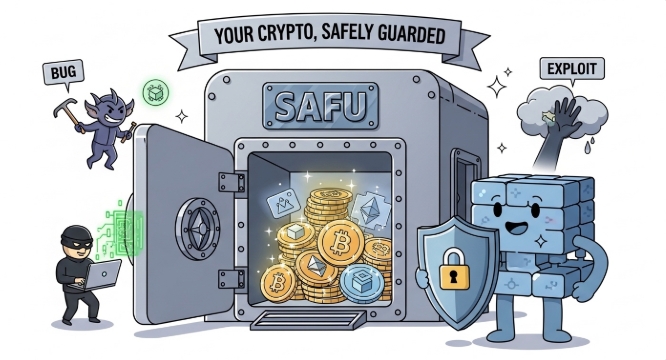
One of the biggest questions around exchange-funded protection isn’t whether it exists, it’s whether users can verify it. Because the reserve is managed internally by exchanges, transparency becomes the real trust test.
Some platforms publicly disclose the fund wallet addresses or include the fund in broader proof-of-reserves reports. This allows users to confirm that assets actually exist, rather than relying on statements alone. Others provide third-party audit summaries or historical evidence of the fund being used after incidents.
However, not all funds are fully auditable or visible on-chain. In many cases, users must assess credibility using indirect signals such as:
- Public documentation explaining how SAFU is funded
- Clear communication during security incidents
- Consistent reserve or proof-of-reserves reporting
Transparency isn’t about perfection, it’s about verifiability. A credible exchange-funded protection setup usually combines reserve visibility, cold storage practices, and a track record of honoring reimbursements.
If an exchange references SAFU without explaining audits, reserves, or past usage, users should be cautious. The protection fund works best when backed by proof, not just branding.
Which Crypto Exchanges Use SAFU?
Not every exchange uses the term SAFU, but many operate similar user protection funds under different names.
Some platforms publicly share the reserve balances or announce when the fund is activated. Others provide minimal detail, which makes transparency a key differentiator when evaluating exchanges.
When reviewing an exchange’s SAFU policy, look for:
- Clear explanations of how the fund is maintained
- Evidence of past reimbursements
- Ongoing security or reserve disclosures
A real exchange-funded protection program comes with documentation, not just promises.
How Bycard’s Secure Payment Features Complement SAFU-Style Protection
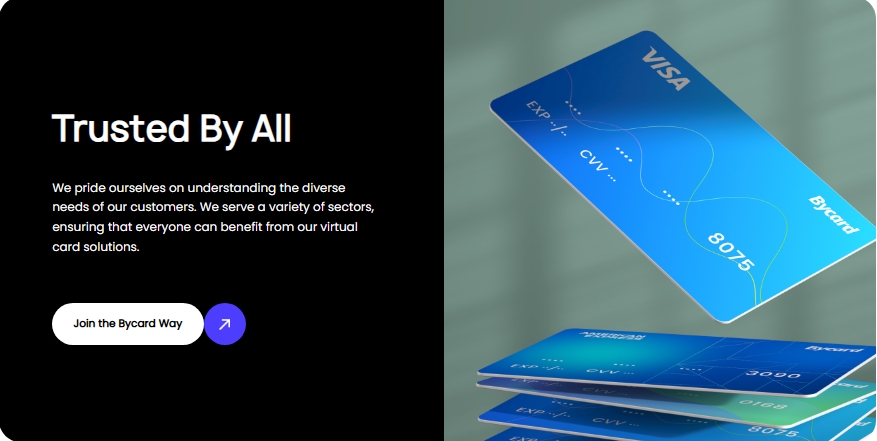
SAFU-style funds protect users when assets are held on exchanges. But risk doesn’t end there. The moment crypto is converted for spending or business use, security and control still matter.
Bycard focuses on making crypto conversion practical and controlled. Instead of moving funds through multiple platforms, users can convert crypto into spendable value within a structured payment environment.
With Bycard, you can:
- Convert crypto into usable funds for payments
- Issue virtual cards tied directly to converted balances
- Control exposure with spending limits per vendor or campaign
- Manage cross-border transactions without unnecessary friction
This ensures protection continues beyond the exchange and into the real-world use of digital assets.
What These Protection Funds Cover (and What They Don’t)
This is where misunderstandings often happen.
The protection fund typically covers:
- Exchange hacks
- Internal system vulnerabilities
- Platform security failures
The protection fund does not cover:
- Market losses
- Phishing attacks caused by shared credentials
- Third-party scams or rug pulls
- Poor trading decisions

Perfect Card for running ads!
How User Protection Funds Have Been Used After Security Breaches
There have been multiple instances where the fund was activated following major breaches. In these cases:
- User balances were restored
- Withdrawals resumed faster
- Losses were absorbed by the exchange
These events reinforced why SAFU matters. It shows users that exchanges are willing to absorb risk instead of passing it entirely onto customers.
Are Exchange Protection Funds Enough on Their Own?
The protection fund is useful, but it’s not a guarantee.
Limitations include:
- Finite reserve size
- Exchange discretion over payouts
- Coverage scope defined internally
That’s why experienced users treat SAFU as one layer of protection. Combining the reserve with personal security practices and reduced custodial exposure is still essential.
How to Evaluate an Exchange’s SAFU Claim
Before relying on this mechanism, ask:
- Is the fund publicly acknowledged?
- Has it been used before?
- Are reserves or audits referenced?
- Is security communication consistent?
Strong SAFU programs tend to come with strong transparency habits.
Conclusion
Crypto comes with unique risks, and even the most secure exchanges can face unexpected challenges. Protection mechanisms like SAFU, or similar user protection funds, offer a safety net, but they are only one part of a broader approach to safeguarding your assets. Understanding how these funds work, what they cover, and how to verify their credibility empowers you to make smarter choices in a fast-moving market.
At the same time, tools like Bycard extend this safety mindset to everyday payments and business workflows. From instant virtual cards to real-time spend tracking and crypto conversion, Bycard helps users maintain control and minimize exposure, even outside exchange environments.

CATEGORIES
Wise or Revolut? Comparing the Best Multi-Currency Card

Wise Alternatives That Make Payment Faster and Currency Conversion Simple

Wire Transfer vs Bank Transfer for Better & Swift Business Payments

Why Travel Rewards Credit Cards are Highly Important
Why the Ramp Card Might Be the Best Business Card

Why Sales and Discounts Make You Overspend
