
 Log in
What is Zero-Based Budgeting and How to Achieve It

What is Zero based Budgeting is a question many people ask when managing money starts to feel harder than it should. Budgeting often looks good on paper, yet many plans fall apart within weeks because they don’t reflect real spending habits.
Zero based budget works differently. Every dollar is assigned a purpose before the month begins, whether it’s for bills, daily expenses, savings, or debt. Nothing is left unplanned, which brings clarity and control to financial decisions. In the U.S., where costs continue to rise and digital spending is constant, this approach helps make budgeting more realistic, especially when supported by tools like Bycard that simplify tracking and spending control.
- What is Zero-Based Budgeting and How to Achieve It
- What is Zero Based Budgeting?
- Why Understanding Zero based Budget Matters
- What is Zero based Budgeting in Real Life?
- Zero-Based Budgeting vs Traditional Budgeting Methods
- Zero-Based Budgeting for Different Income Types
- How to Achieve Zero-Based Budget: A Step by Step
- Financial Tools That Help With Zero-Based Budgeting
- How Zero Based Budgeting Improves Financial Outcomes
- Who Should Use Zero Based Budgeting?
What is Zero Based Budgeting?
When people ask about Zero-based Budgeting, they’re asking how to assign purpose to every dollar of income. With this approach, your income minus your planned expenses equals zero, and that’s by design.
Here’s the core idea:
Before the month starts, you decide what every dollar will do.
There’s no leftover money just “floating” without an assignment.
This forces more deliberate financial decisions and helps you stop spending by accident, a common issue in the US. Instead of guessing where money will go, you define it in advance.
Why Understanding Zero based Budget Matters
Understanding Zero based Budgeting is especially relevant because many American households struggle with savings and unplanned expenses.
For example, more than half of U.S. adults do not have enough savings to cover three months of expenses, and nearly one-quarter have no emergency savings at all. Only about 46% of Americans would be able to pay three months’ worth of expenses using their emergency savings.
Even short-term emergency preparedness is challenging for many. Federal Reserve data shows approximately 37% of Americans would struggle to cover a $400 unexpected expense without borrowing or selling assets.
These statistics highlight that budgeting systems like zero based budgeting aren’t just theoretical they address a real financial gap.
What is Zero based Budgeting in Real Life?
Let’s say your monthly income is $5,000.
With zero based budgeting, you might assign:
- Rent: $1,800
- Utilities: $300
- Groceries: $600
- Transportation: $400
- Insurance: $350
- Savings: $700
- Debt repayment: $600
- Discretionary spending: $250
Total: $5,000
Remaining balance: $0
That’s what Zero-Based Budgeting is in action: assigning every dollar a purpose so nothing is left unplanned.
This contrasts sharply with many Americans’ actual experiences: nearly 63% admit to overspending their budgets at least occasionally, and a large portion will use credit cards when they exceed their planned spending.
Zero-Based Budgeting vs Traditional Budgeting Methods
Traditional budgeting usually:
- Monitors spending after it happens
- Leaves some money unassigned
- Relies on general categories and guesswork
In contrast, zero-based budgeting:
- Make plans before you spend
- Assigns all income to categories
- Promotes intentional and defensive financial behavior
This proactive nature makes zero-based budgeting more effective for reaching savings goals and handling unexpected expenses.
Zero-Based Budgeting for Different Income Types
Salaried Income
Zero based budgeting is straightforward with predictable income; just assign each dollar before the month begins.
Variable or Freelance Income
When income fluctuates (e.g., freelancers or gig workers), the principle remains: budget based on your lowest projected income. Then assign any additional income intentionally, ideally to savings or debt.
This method prevents overspending during high-income months and mirrors reality for millions of Americans with irregular cash flow.
How to Achieve Zero-Based Budget: A Step by Step
Understanding Zero-based Budgeting isn’t enough; execution matters. Here’s how to implement it practically.
1. Start With Net Income
Use your take-home pay after taxes and deductions; this ensures your budget reflects your actual available money.
2. List All Monthly Obligations
Include fixed and variable costs, rent, utilities, groceries, insurance, subscriptions, and even irregular costs like annual payments.
3. Assign Every Dollar
Allocate your total income to categories until your remaining balance equals zero.
4. Monitor Weekly
Review your budget weekly so you can catch overspending early and adjust accordingly.
5. Adjust with Purpose
Life changes. If you need to shift money between categories, adjust other areas to keep the total equal to zero.
Financial Tools That Help With Zero-Based Budgeting
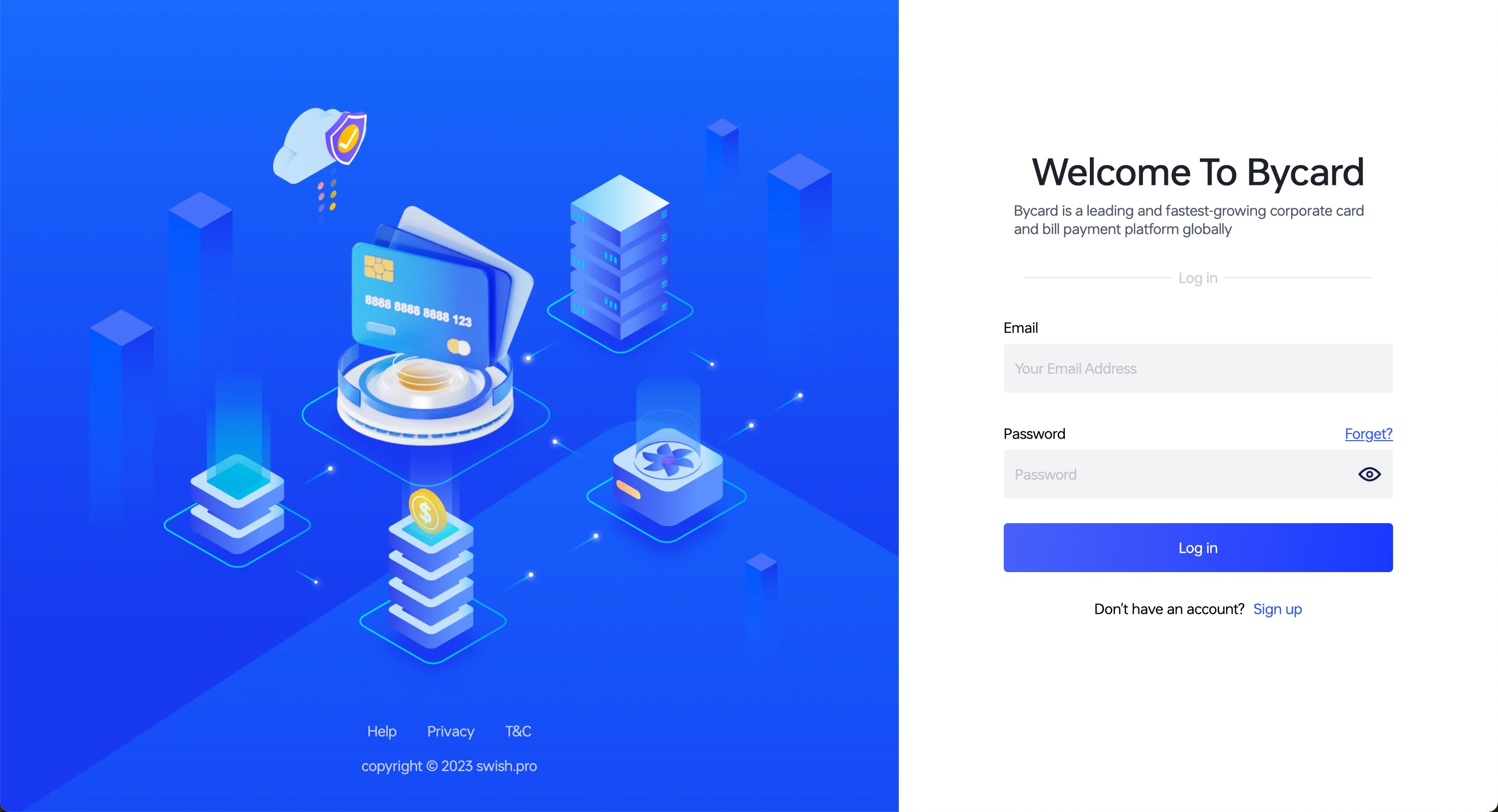
Execution becomes much easier with tools that offer visibility, categorization, and control.
One platform that supports disciplined budgeting and real-time spending clarity is Bycard.
How Bycard Supports Zero-Based Budgeting
- Transaction Tracking
Bycard lets you track spending as it happens, helping you see whether your budget allocations hold up in real life.
- Multiple Virtual Cards
You can create virtual cards for different categories (e.g., subscriptions, travel, marketing). This mirrors the intention in zero based budget by dedicating specific cards to specific purposes.
- Customizable Spending Limits
Set limits so that no category exceeds its planned amount, a practical safeguard that reinforces your zero based budget.
- Bill Pay and Reporting
Bycard’s bill pay tools help you manage recurring expenses and reconcile planned versus actual spending, giving you real data to refine your budget month after month.
How Zero Based Budgeting Improves Financial Outcomes

It helps cultivate habits that lead to:
- Strategic savings growth
- Reduced reliance on credit cards
- Fewer unexpected deficits
- Clear alignment between spending and priorities
In a world where many Americans struggle to cover basic emergencies, avoiding overspending and building buffers becomes essential. Effective budgeting is no longer optional; it’s a financial competency that supports stability and long-term success.
Who Should Use Zero Based Budgeting?
These are whom this zero-based budget is best for:
- You want to save consistently
- You feel your money disappears
- You want better control without complexity
- You’re paying off debt
Then this method is likely a good fit for you. It’s useful for people who prefer clarity over guesswork.
Conclusion
Zero based budgeting is not about restriction, it’s about clarity and control. It gives your money intentional direction instead of leaving it to chance.
Coupling this method with tools like Bycard, which provide real-time tracking, category personalization, and spending controls, enables you to do more than plan your budget: you can live your budget with confidence. When you truly understand What this is and use reliable tools to support it, financial planning stops feeling abstract and starts looking like practical progress.

CATEGORIES
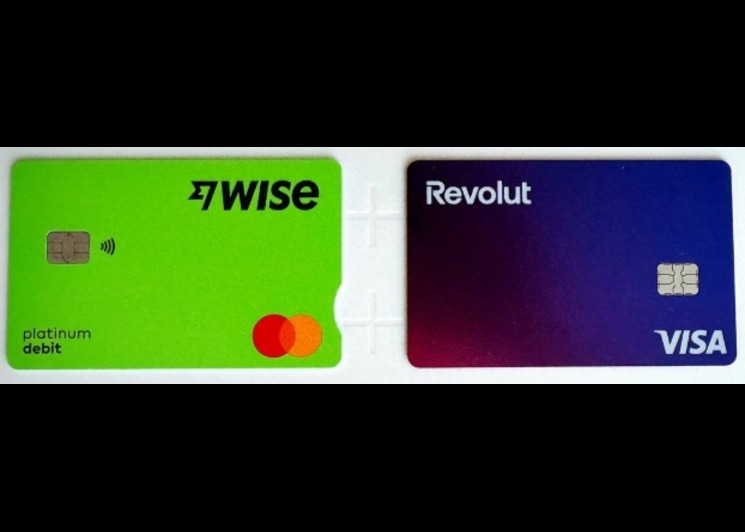
Wise or Revolut? Comparing the Best Multi-Currency Card
Wise Alternatives That Make Payment Faster and Currency Conversion Simple

Wire Transfer vs Bank Transfer for Better & Swift Business Payments

Why Travel Rewards Credit Cards are Highly Important
Why the Ramp Card Might Be the Best Business Card

Why Sales and Discounts Make You Overspend
